
introducing sheffield: town of murals
We stayed in Sheffield while in Tasmania and used it as our base to visit Cradle Mountain National Park.
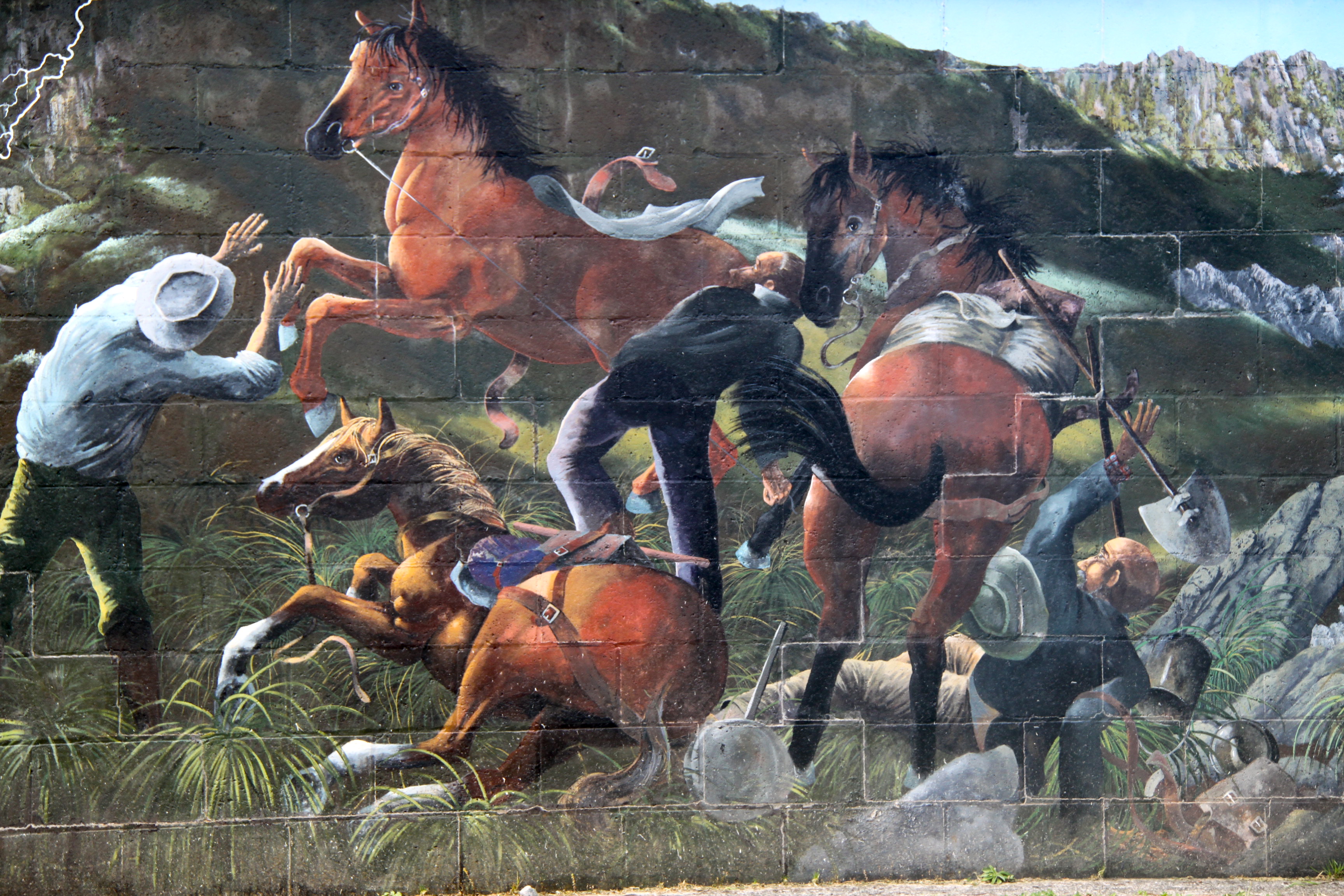
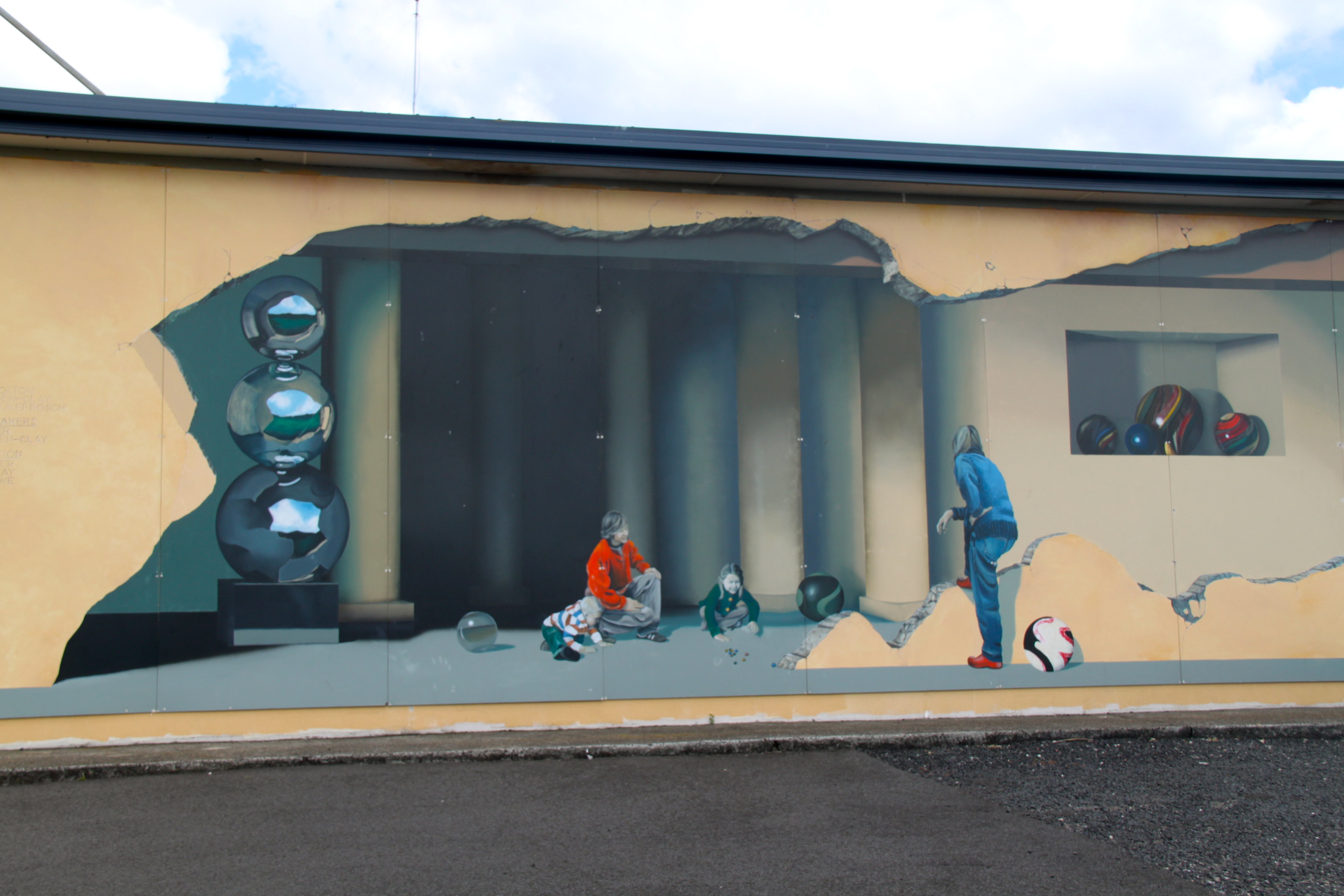
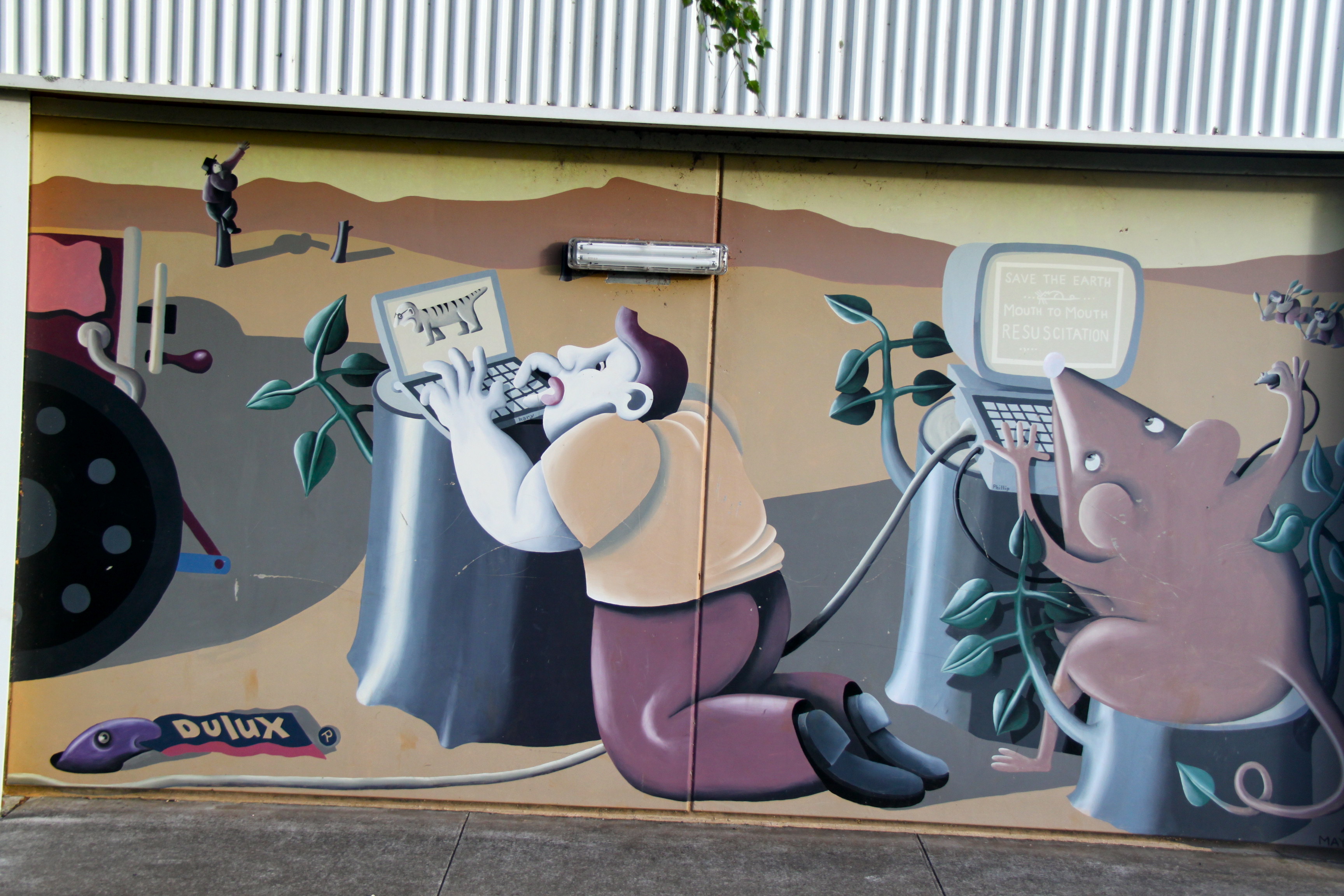
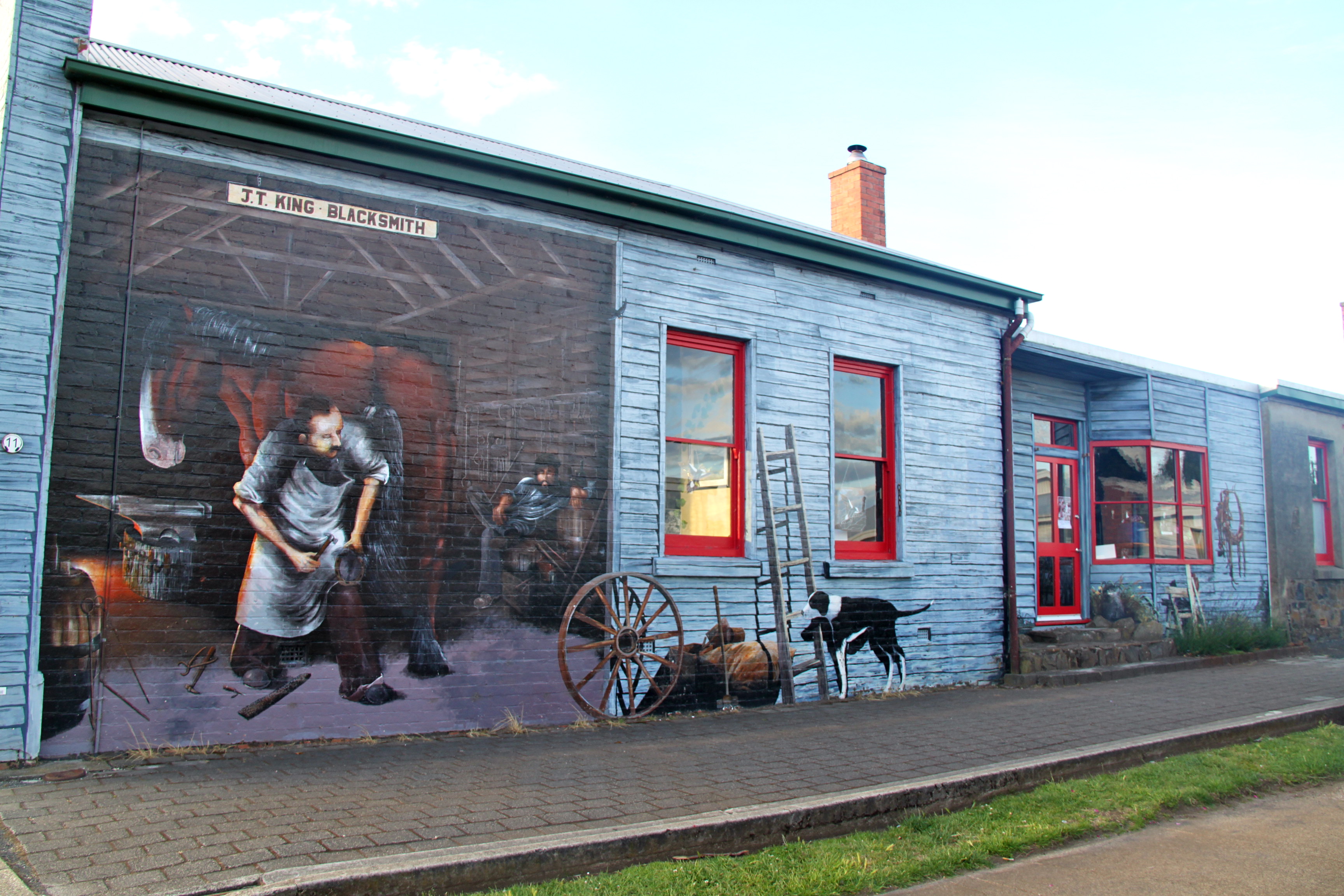
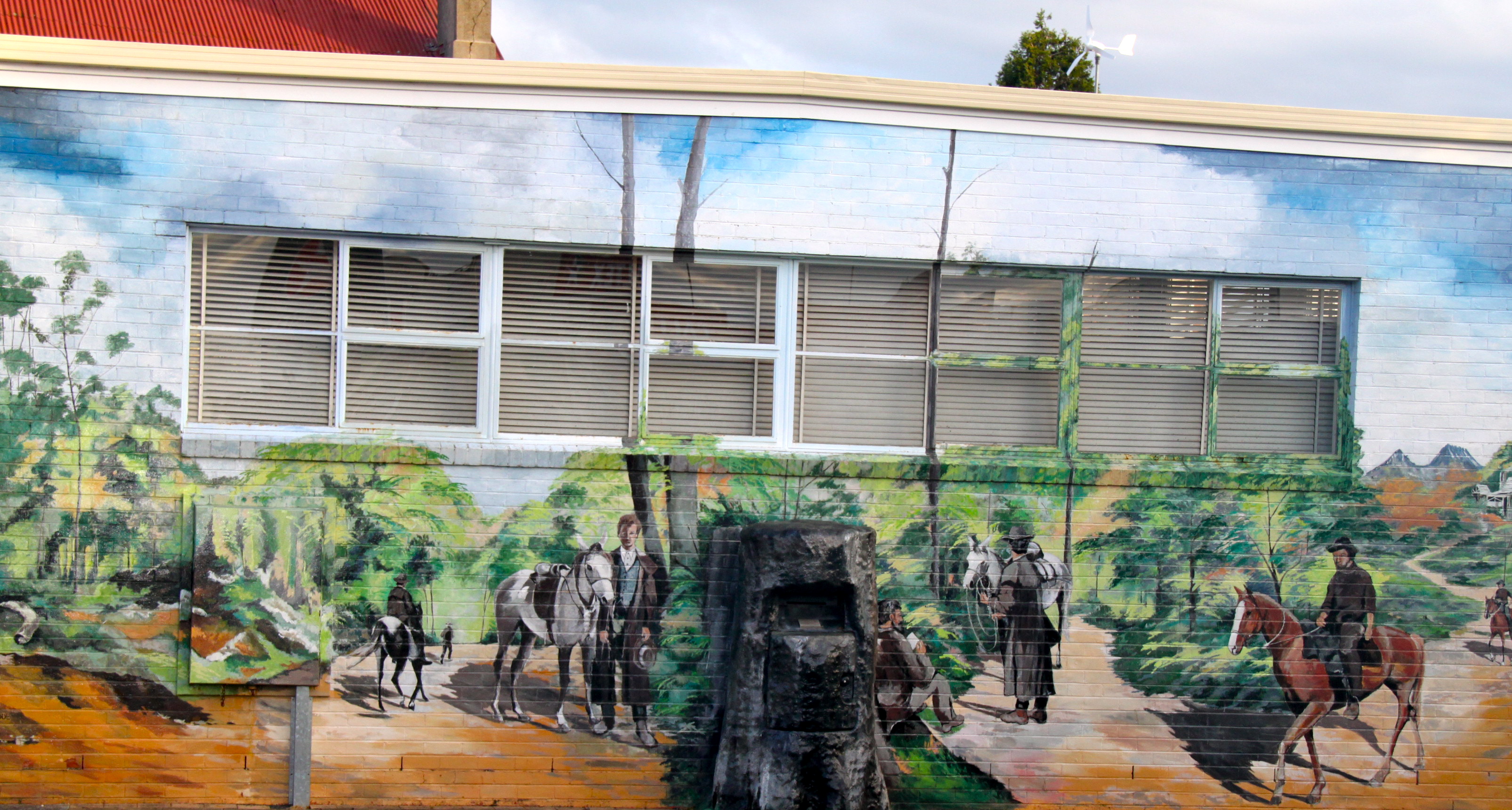
It can definitely be described as an open-air art gallery. There are murals painted everywhere and the artwork is simply spectacular.
No words are needed to describe this quaint and pretty town! We will let the photos of the murals canvasing the streets do the talking. Hope you enjoy our photo essay.
(Photos taken by wisemonkeysabroad.com)









Share this:

weekly photo challenge: object
We’ve chosen the Trojan Horse from Canakkale, Turkey as our object for this week’s Daily Post Photo Challenge.
The horse here is only poking its head in, quite fitting as the Year of the Horse has only just begun.
**Happy Chinese New Year**

Share this:

buying a turkish rug: genuine or not?
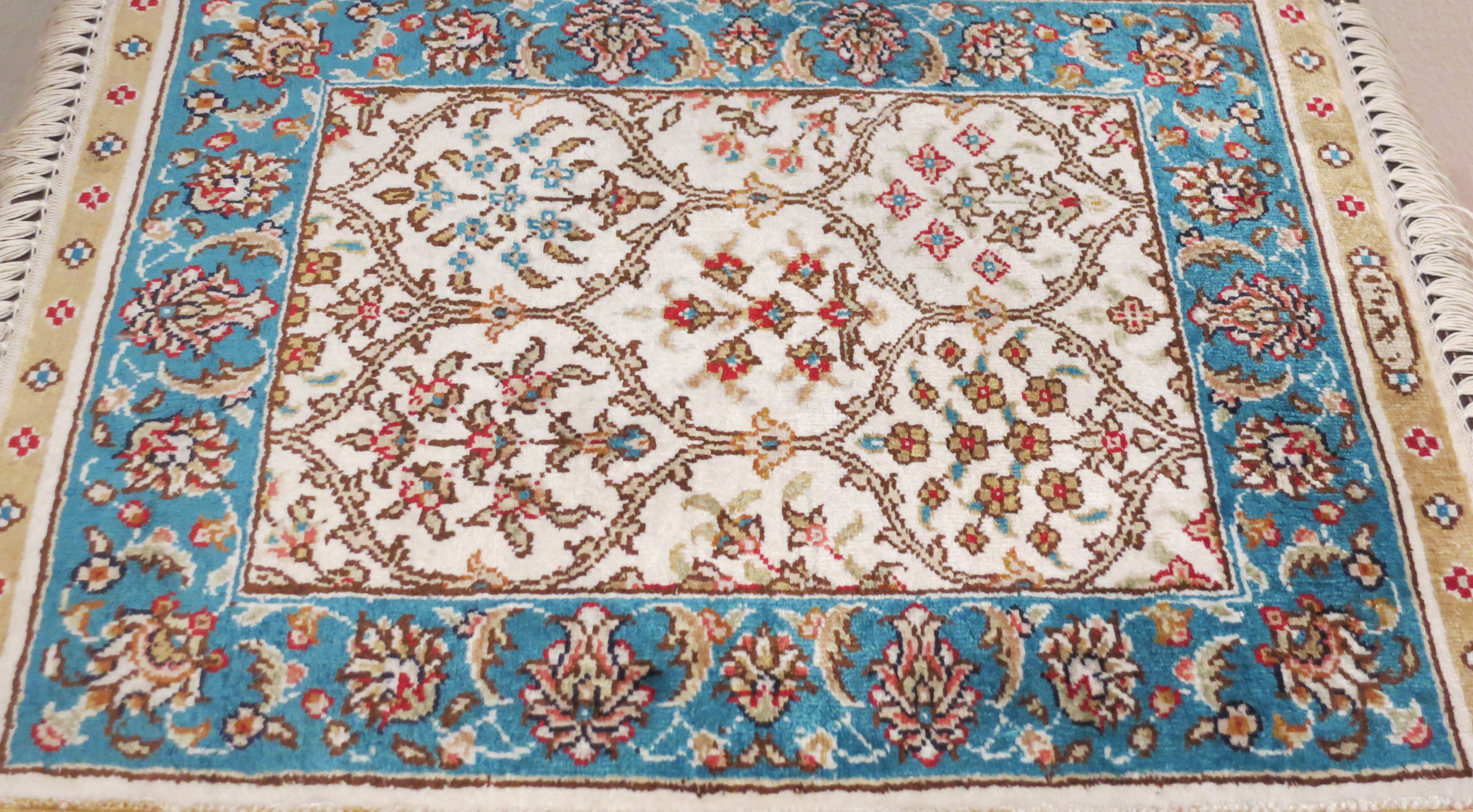
Weaving a Turkish rug by hand is a skill that produces a work of art, and due to the increasing number in machine-woven products, this is becoming a fast dying art form. Owning a genuine Turkish rug is an investment as the market is now flooded with fake rugs. And finding a genuine Turkish rug is becoming a rarity.
Turkish rugs are renowned and so how can one tell
- if it has genuinely been woven by hand and NOT by machine?
- which is silk and which is mercerised cotton?
Here’s what we learnt from our few hours at a rug workshop in Turkey.
Background
To keep the trade alive, especially in the rural areas, the women are trained at the workshop for approximately 3 months. The first rug they complete is considered theirs to keep as a “reward” for their training. The second rug is assessed and, if the rug is approved, the woman officially becomes a rug weaver and can weave from home. All equipment is provided.
The weavers have patterns to use when weaving rugs. Each one is different and depending on the region/era that the rug is made, the colours and pattern can vary. With their religious faith, they believe only Allah (God) is perfect so no rug will be weaved as perfectly as the pattern. Each rug, in fact, will have a slight flaw or error, usually unnoticeable but not always.
To weave Turkish rugs, weavers use a 2-knot technique which essentially makes the rug stronger, tighter and easier to clean. Ultimately this results in durability as well. But this also means that it takes longer to weave. A Turkish rug can take anywhere from months to years to hand weave. When explained to us, we could understand how the amount of work and skill put into weaving a rug justifies the cost of a genuine Turkish rug. To ensure the women can maintain their trade, they are expected technically to have regular breaks (approximately every half an hour or so) throughout the day.


Hand or Machine?
A few tricks of the trade to help identify whether a rug is hand woven or not
- Hand woven rugs should be stored rolled up in shops. The quality should be questioned the moment rugs are kept flat and stacked on one another.
- Hand woven rugs when flipped over on the reverse side will have an almost identical pattern as its front.
- The tassles on the ends of the rugs are part of the rug and not “stitched” on. The rug should be woven in between the tassles.


Is it really silk?
Mercerised cotton and silk have very similar appearances. But the difference between the two materials is silk can’t be set alight when brought close to a flame or won’t “fluff” when a coin is rubbed against it. Silk rugs can last hundreds of years and when you look at it from different angles, the colours on the rug will appear as different hues.
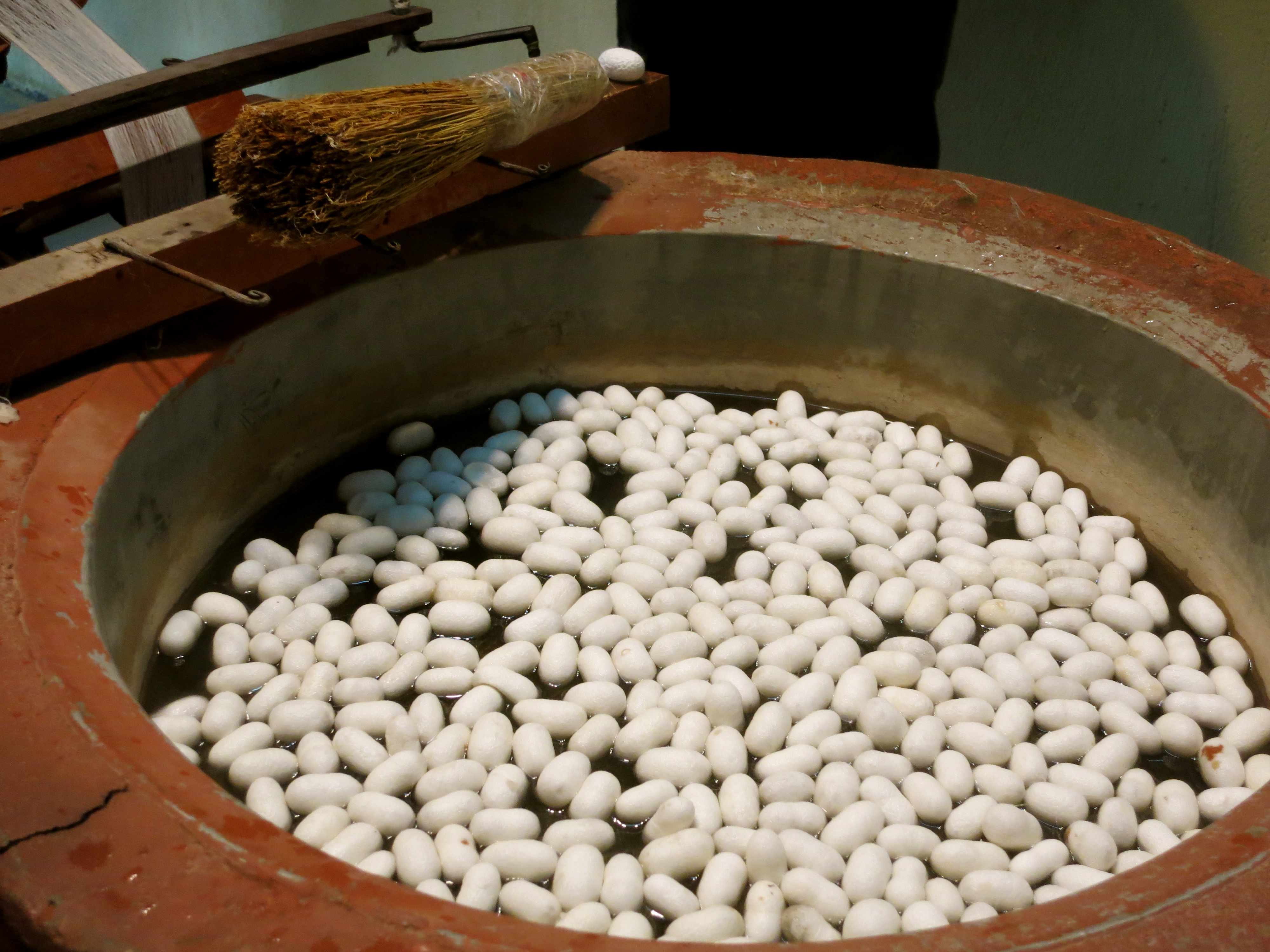
The process to obtain silk from silk worms is a process in itself. From one silk worm cocoon, a mile (1.6 km) of silk, on average, can be extracted. And when silk is woven, it was described as being as strong as steel. That certainly raised our eyebrows.
We visited the carpet weaving workshop, nearby to Saklikent Gorge, certified by the Turkish Government and the Carpet Weaving Association. Buying at these Turkish Government workshops, we were told, you will get an authenticity certificate posted to you within 6-8 weeks. Ours arrived within 2-3 weeks of us returning home. Depending on the size of the rug, it can be arranged to be shipped to you. Because ours was a small wall-hanging, we figured we would just carry it home with us. They packaged it really well.
Almost 3 months on, we still are yet to frame our “rug” and find a spot on the wall for it. At the moment, it is sitting underneath our World Map and acts as a reminder of a magic carpet that can take us anywhere 🙂

Share this:

third oldest church in australia
We have just returned from a long weekend to Port Macquarie. Port Macquarie is about a 4-hour drive north along the coast from Sydney. We had unusual weather – from rain, winds to sunny days. It was a good 3 days away.
We visited St Thomas’ Anglican Church, it was across the road from where we were staying. It is a beautiful church and intriguing as well. The day we were there, a wedding was due to start, so our visit was very brief. Partly a good day because it was also decorated with beautiful flowers especially on the pew doors.

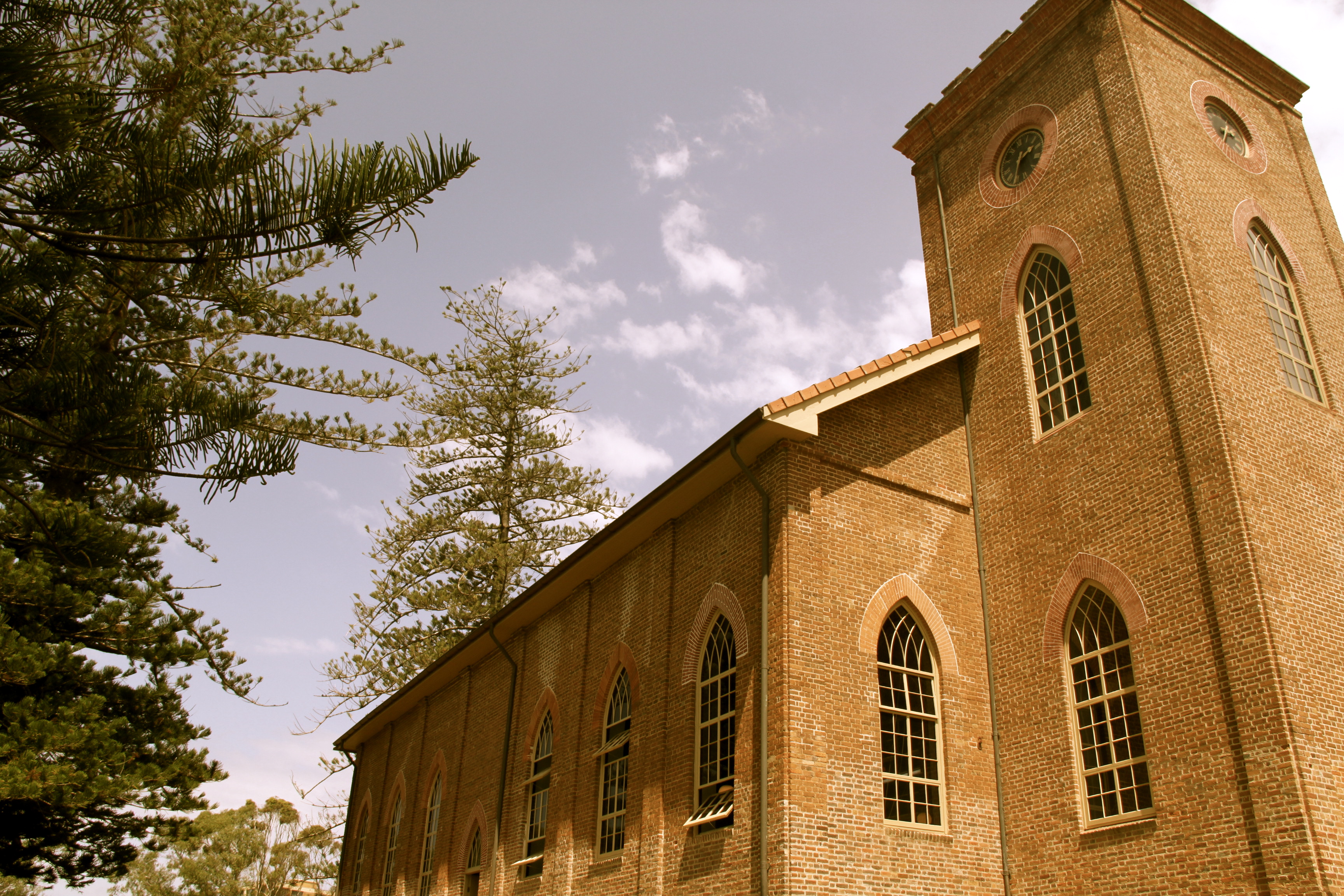
St Thomas’ Anglican Church is the third oldest church in Australia. It was built by convicts in 1824 and the first service held 4 years later in 1828.
The most fascinating thing about this church were the raised family boxes (see photo).
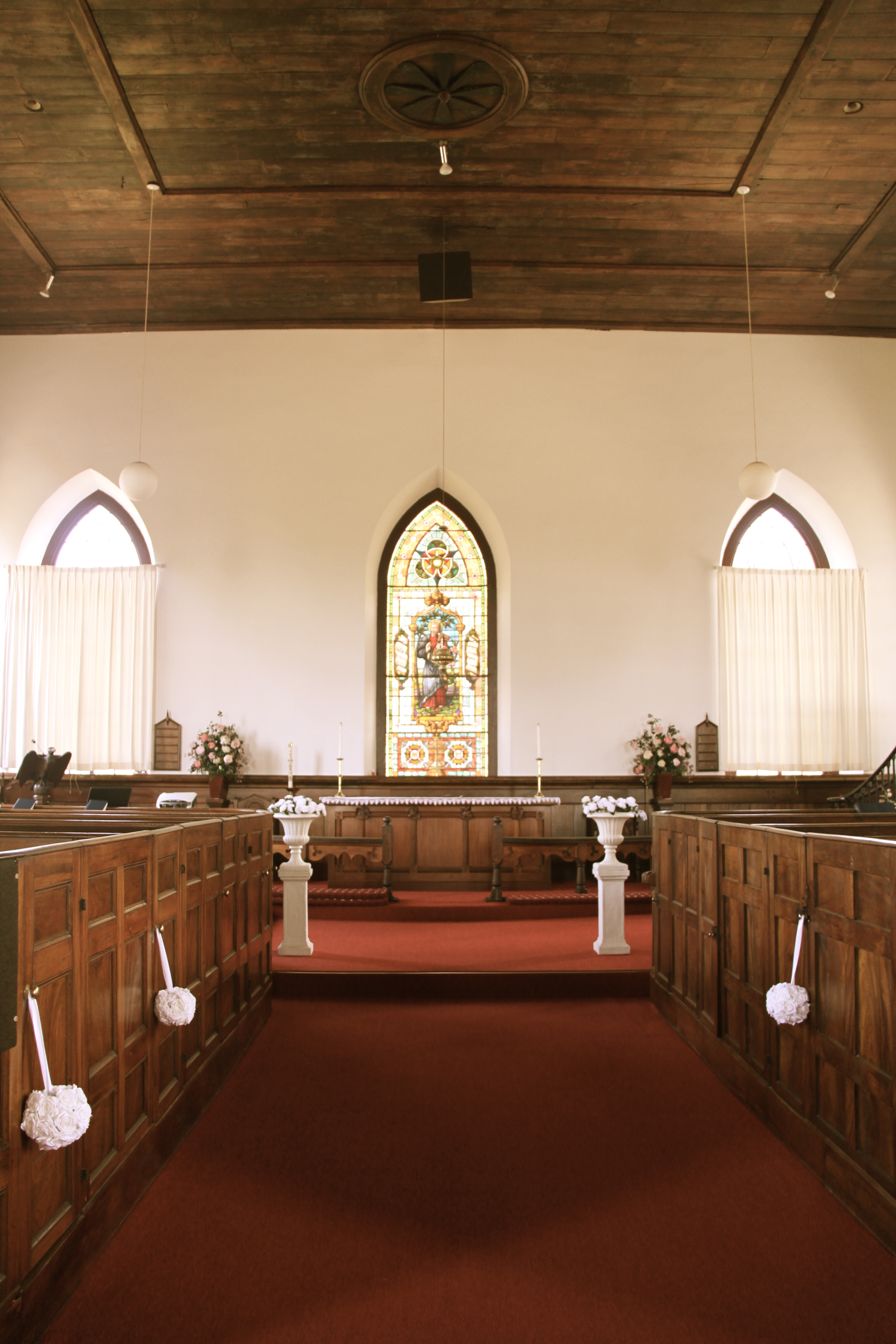


The church goers once included convicts as well as the “free” people. The family boxes were rented to parishioners to protect them from the convict onlookers. Inside the boxes are standard pew seating as well as knee rests for kneeling. Towards the back of the church were the usual seating one would be familiar with in a church.
According to the brief history leaflet that is provided inside the church, the 1856 Walker Pipe Organ, in the gallery, is the only one of its kind in the southern hemisphere.
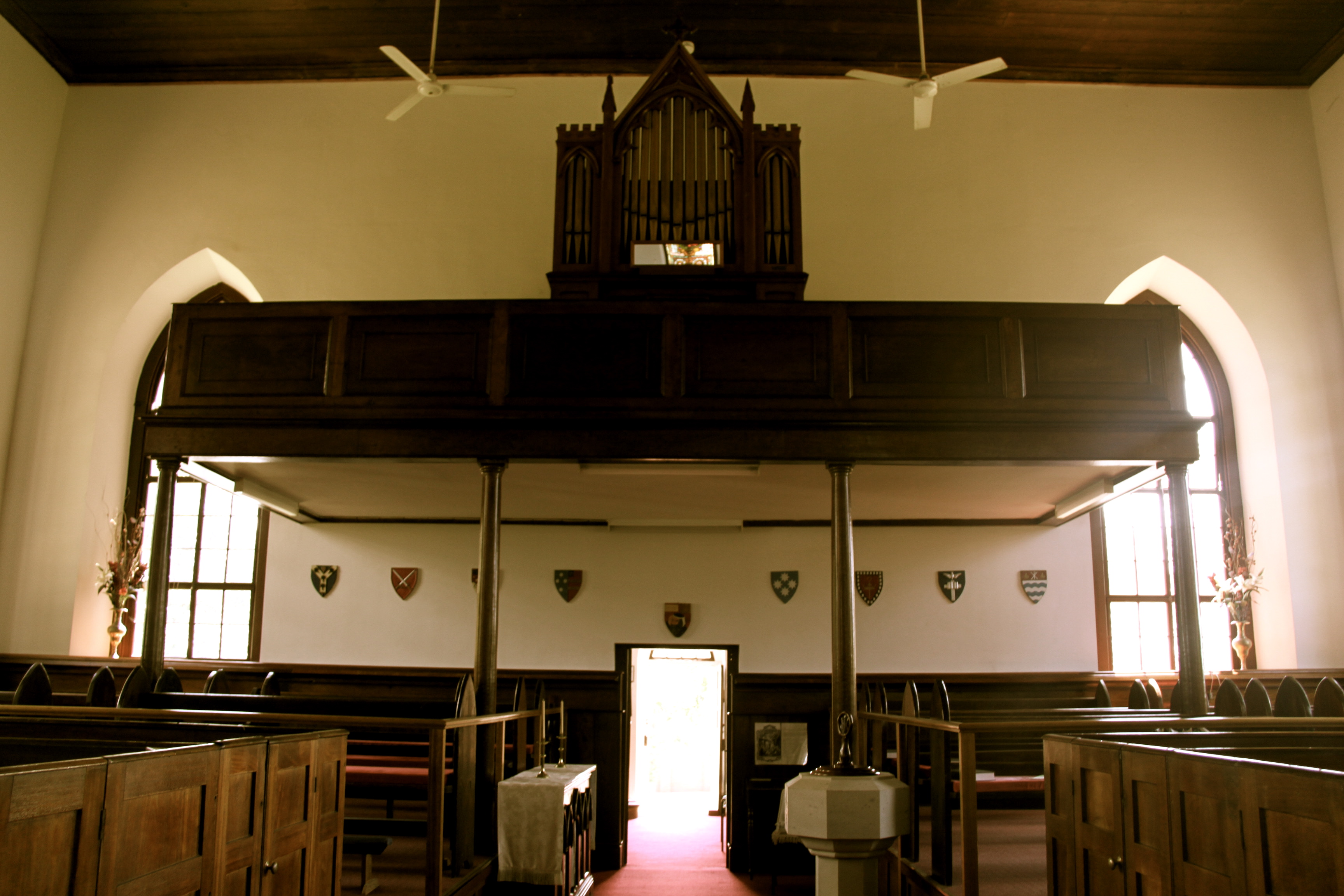
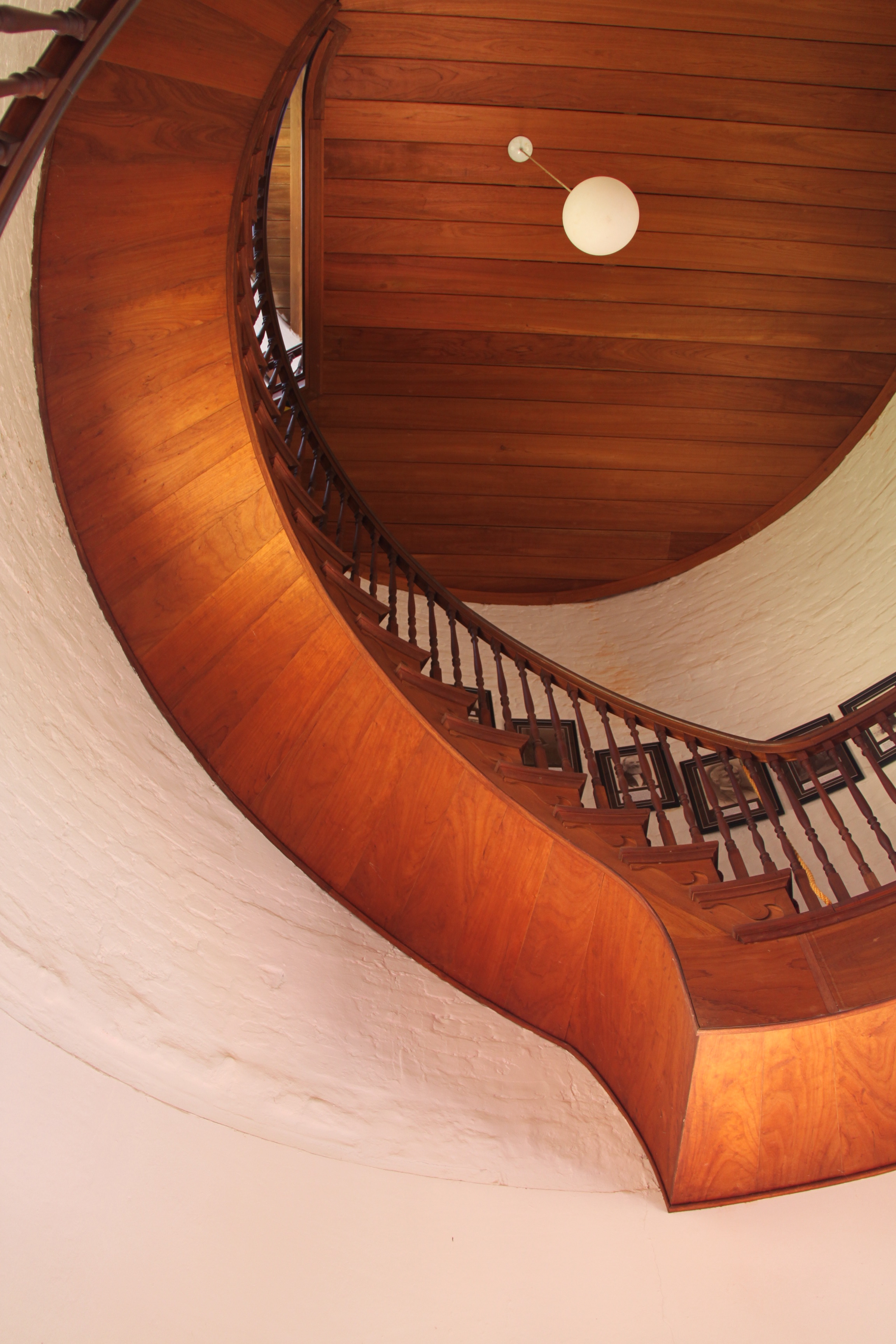
The winding stairwell up to the Muniments room was closed off when we visited. Within the Muniments room, there are historic documents, photographs, records, old Bibles and Prayer Books. However, we did get to see some of these things at the entrance of the church. Lots of interesting artefacts were housed in the cabinet.

St Thomas’ Anglican Church is open Monday to Fridays between 9.30 am to noon and 2 pm to 4 pm. Admission is a gold coin donation (i.e. $1-$2 Australian dollars).

 wise monkeys abroad