abundance and diversity
We all are aware of Darwin’s theory of evolution. It is from his time spent in the Galapagos Islands that helped him arrive at this theory. However this isn’t about his theory, its about the animals behind his theory.
There are two ways one can get around the Galapagos Islands. The first is to take a cruise (which is the popular way) after flying in from Quito and the second is to island hop. We chose the latter and after speaking to the locals, this is their preference too. Island hopping allows the money from tourism to be pumped back into the islands and its people as opposed to cruises where the money returns to the cruise companies. The examples that were given to us by one of our guides was that if tourists chose to island hop, they would eat on the island and sleep on shore therefore a cascade of benefits would follow (in terms of employment for the locals and economy boost).
Anyway, economy aside and how ever the Galapagos Islands are explored, there is no doubting that it is a wonderland of fauna and flora. There were many occasions where we would see several species of birds perched together (diversity). Or other occasions where we saw numerous animals of the same species (abundance). And probably the sweetest thing is getting up close with the animals. Obviously there are rules about touching them and staying a certain distance away from them but when we were with the guides, we went off their cues. There were times when we had sea lions frolicking in the water beside our boat, marine iguanas scurrying past us and blue-footed boobies happily perched on rocks a mere metre away without even blinking an eyelid at us.


With all the wildlife and wonderful encounters also comes with the need for conservation. The conservation messages are reinforced and there is a big drive to preserve the environment for us and for the animals. For us, seeing Lonesome George, the last of his species was a humbling experience. To think that there once were 14 species of tortoises in the Galapagos and now only 11, and being on the verge of down to 10. The Galapagos is a place worth visiting to remind us of how animals and humans can live in harmony and how important it is to look after the planet for future generations to enjoy!

For photos dedicated to all the animals, see the Galapagos Islands album in Photo Gallery
Share this:

sailing the highest navigable lake
Reading up on altitude sickness and how it randomly can strike someone freaked us out a little before we went. We spent hours researching and reading up on everything we could about altitude sickness – it wasn’t going to ruin such a huge chunk of this Peruvian adventure. So we understood that there is less oxygen at higher altitude and symptoms of altitude sickness included light headedness, lack of appetite, nausea, drowsiness and shortness of breath on exertion. One friend gave the advice: “Don’t let your head dip below your heart”. Others were telling us just to take it slow. So we heeded their advice when we landed in Cusco (approximately 3,400 m.a.s.l). There would be NO exertion whatsoever. So walking to the carousel to pick up our luggage, we were probably taking one step every second. Maybe we were being extreme but we were not jeopardising our health being frantic unnecessarily. We did have a few people at the airport and approach us and ask whether we needed a doctor, which we thought was very amusing.
Our transfer guide instructed us to relax in our rooms for at least 2-4 hours before actively exploring the city and to also dose up on coca leaves or coca tea. Little did we know that coca leaves derive cocaine. Thank goodness we didn’t bring back the delicious teas and lollies! But they certainly worked a treat for suppressing any symptoms of altitude sickness. Now to explain some of the symptoms, let us give an example. There was one day where we walked up 10 steps (or so maybe) and when we got to the top, we were so out of breath that when we talked, the words came out as if we were spluttering from crying. It was the weirdest sensation ever. It took twice as long to get a sentence out because we were catching our breaths….
The highest altitude we reached was at La Raya on the train from Cusco to Puno where it was about 4,300 m.a.s.l. And getting off the train and back on the train was exhausting, not to mention the temperatures at this height was windy and freezing.

And Lake Titicaca is the highest navigable lake in the world at approximately 3,800 m.a.s.l. and we were able to sail on it! Well, more like speed boat to Taquile Island and Uros. Uros are the floating islands – the islands built on totora reeds. This is our biggest highlight in Peru! The population is about 1000 people and there are homes and schools and about 5-6 families per “island”. We saw their homes and how they lived and even got a trip between the islands on a reed boat. To our surprise, we heard that some of them had satellite TV hooked up to their reed homes.
Visiting the Uros Islands is one of our favourite all-time travel experiences. This was a very cool way to finish our time in Peru. The Peruvian people are so warm and welcoming and we are blessed to have had the opportunity to visit this country.
Share this:

eating cuy (a.k.a guinea pig)
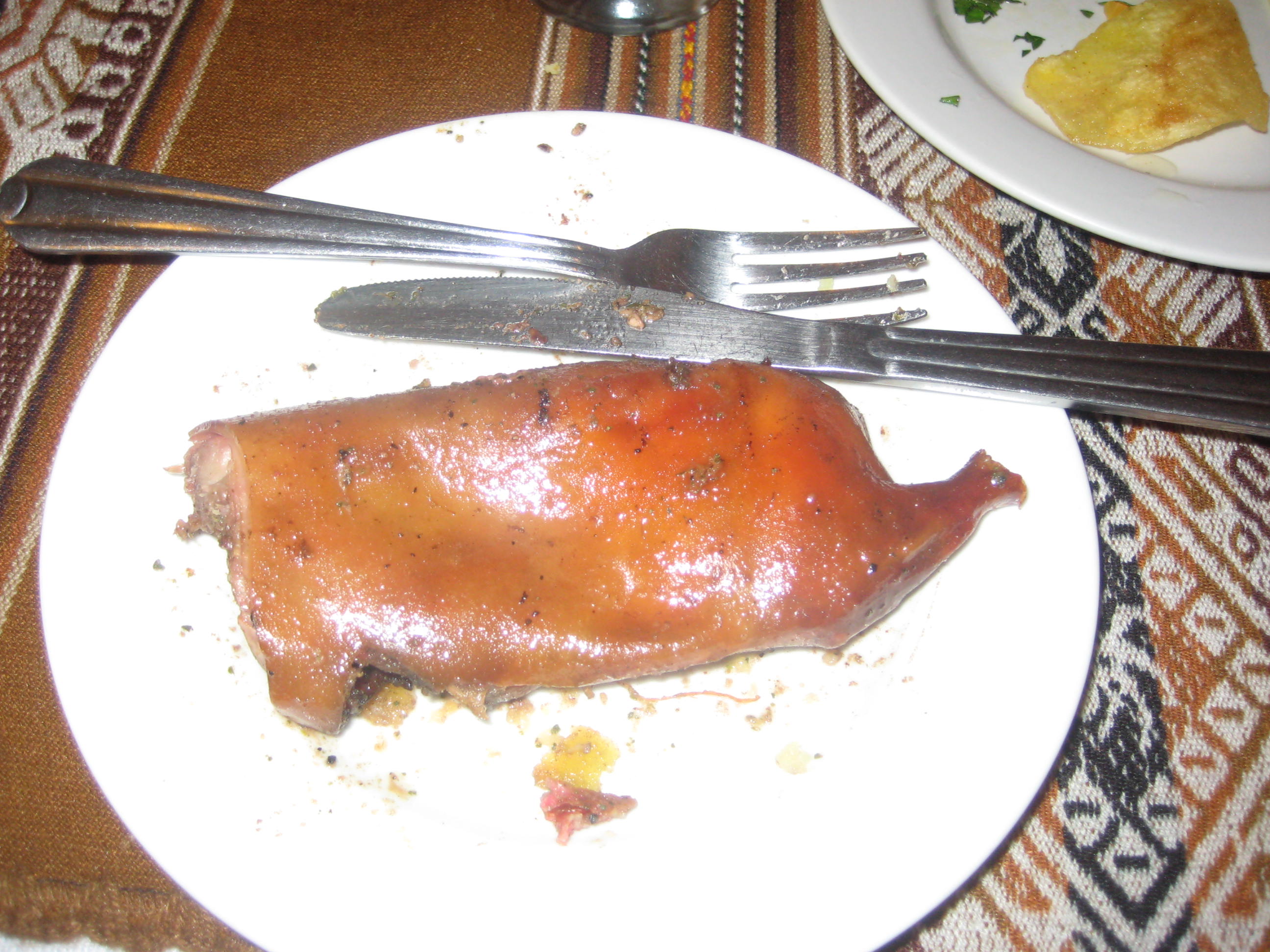
Apologies now if you owned a guinea pig growing up! In Peru though, particularly the Andes, fried guinea pigs are popular as are other meats such as alpacas. And we ate both during our stay in Cusco. Alpaca meat is so tender and is very low in fat and truly scrumptious. We ate alpaca skewers at Pacha Papa which we were told was a restaurant worth trying. But before trying the alpaca, we had tried a roast cuy at another restaurant. This restaurant had gorgeous Andean live music and the food was delicious but sadly, the cuy was not. Well at least we didn’t think so. We had hoped to order a full cuy but the restaurant had sold out for the night so we had a half cuy instead. So what did it taste like? Nothing like chicken, probably more gamey. It was stringy, there was very little meat and the skin, although appeared like crispy pork skin, turned out to be tough and rubbery! Now, all meats have a distinct smell, accompanied with the taste when inside the mouth, that usually differentiates it from other meats and the cuy was no different. The smell was actually quite strong and off-putting but only after it went into the mouth. We were glad we hadn’t got a full cuy! Peru also is well known for the different varieties of corn.

Purple corn pudding was this delicious dessert that was introduced to us in Sydney by a friend from Peru and so we were on the hunt in Peru for the authentic real deal. And goodness, the hunt was worth it!
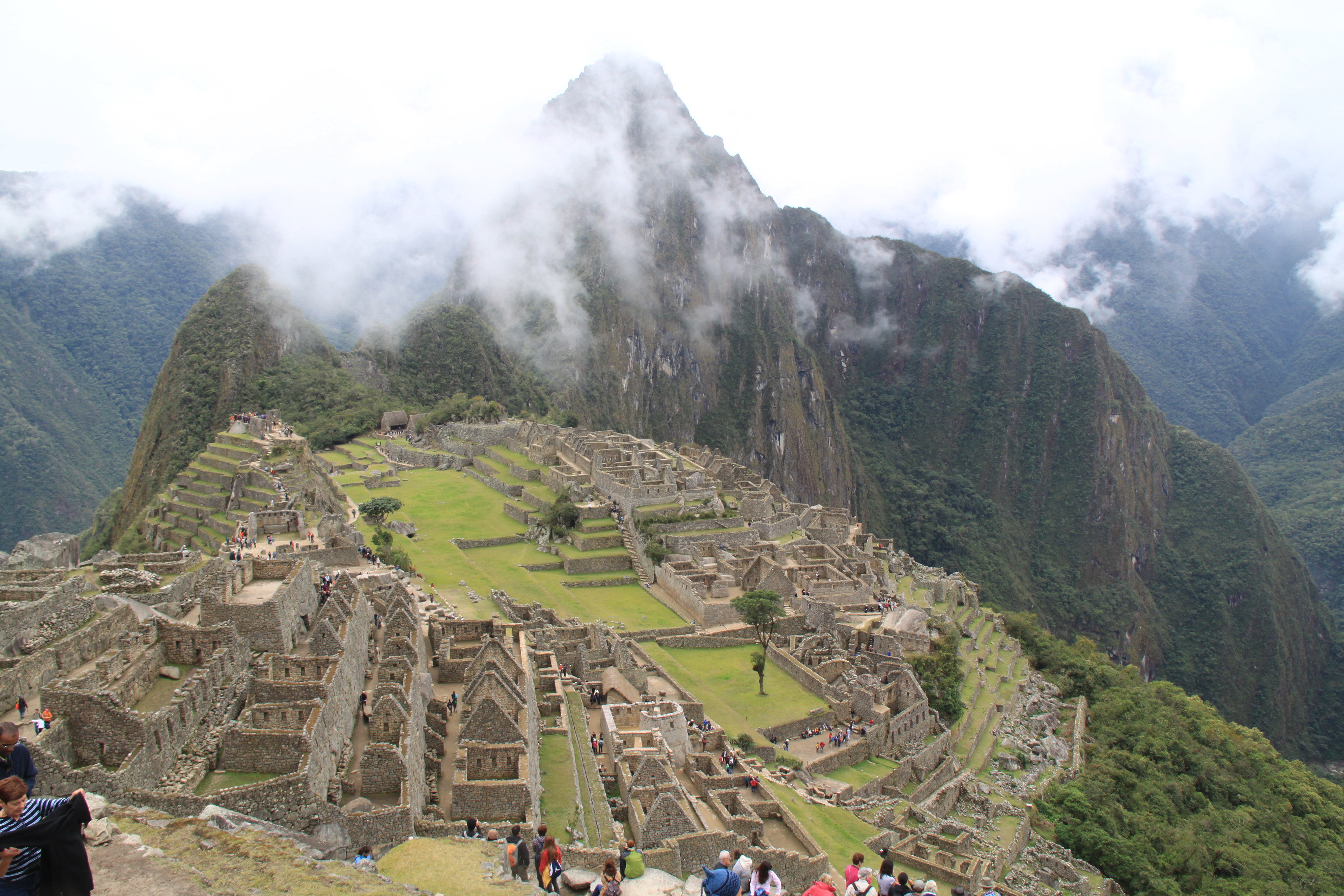
But there was more to Cusco though than guinea pigs and alpacas. It was from here that we took a bus trip down to Ollantaytambo, where we stayed for one night before heading to Aguas Calientes, our base to the renowned Machu Picchu. So we cheated and didn’t do the Inca Trail – we had to sacrifice something to squeeze in the Amazon and it was this that had to give. From Aguas Calientes, it’s a 20 minute bus ride up and then another maybe 10 minute walk to get to a point where we could view the ruins as we would see them in pictures except better, much better. The size and magnitude of what was before our eyes dwarfs what we have seen in pictures! We even had the low cloud sweeping across which gave the effect that we were in the heavens looking down.
Share this:

happy anniversary (or not)
So we celebrated our wedding anniversary in the Amazon this year and it reminded us of our vows: “for better or for worse”… it was no doubt that the “for worse” bit was significant here. We had read up on where we were staying: Ecoamazonia Lodge. There was no electricity except between 6-10pm, there was no hot water, there were no windows just fly screen, fresh drinking water was only available during certain parts of the day – we thought we would be prepared! But having never even camped in Australia, you could say we had another thing coming!
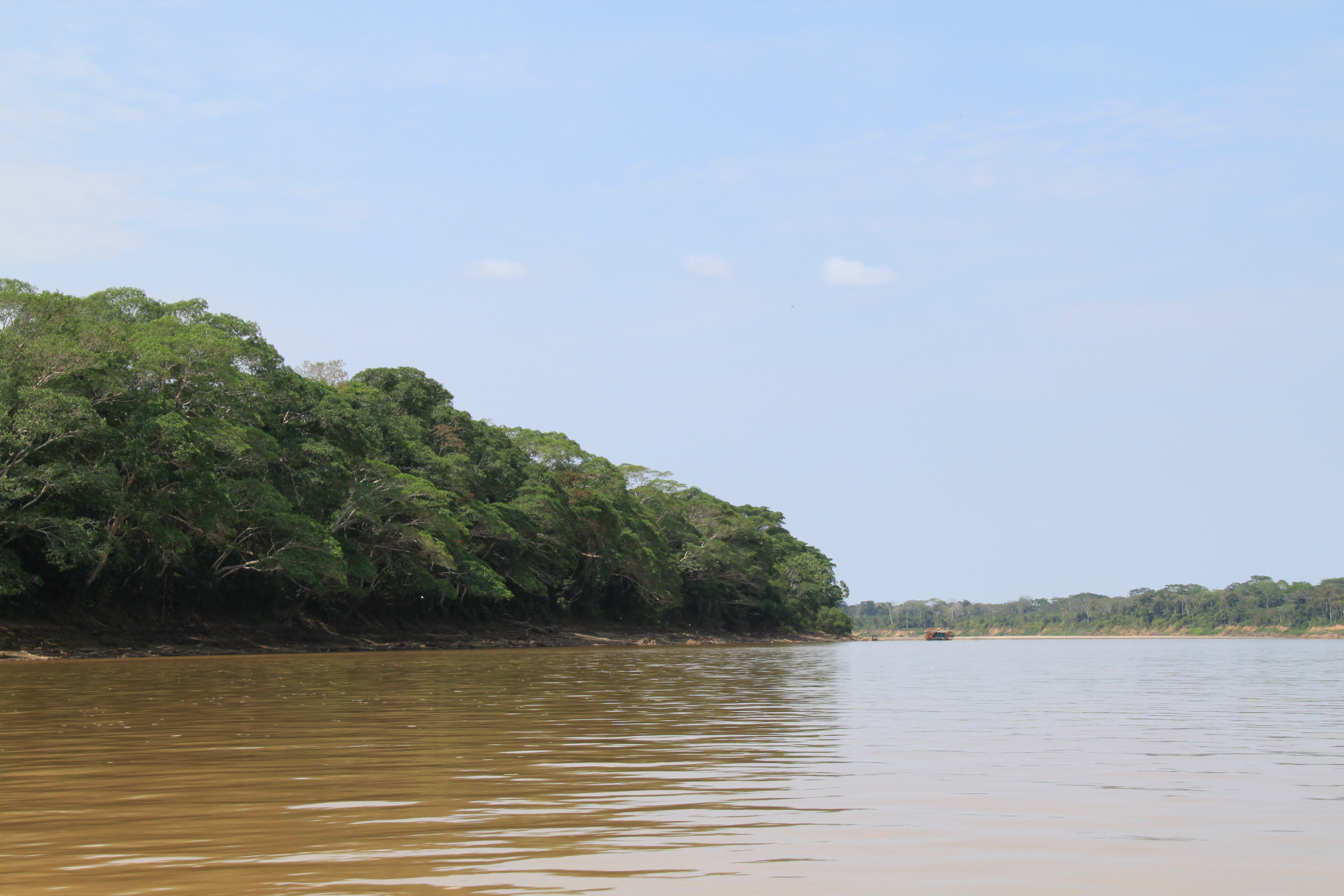
After spending one day in Lima, we took a flight to Puerto Maldanado to begin our Amazon adventure. It was hot and humid as we took our 3 hours riverboat down the Madre de Dios river to our lodge. Now the state of this boat got us quite nervous! The weight of the boat needed to be distributed evenly on either side, it was narrow and looked ancient! Safety on board meant we had to strap on our life vests which we thought was slightly ironic because we were then told that the water was infested with caimans, piranhas and anacondas! Not sure how comforting it really was to be wearing a life vest – guess we wouldn’t die from drowning!
Now, no hot water, we could handle because it was so hot anyway, a cold shower was welcome! No electricity except between certain hours was manageable. Fresh drinking water being available during certain times was easily overcome by us filling all our spare bottles of water. The BIG issue was not having windows!

Throughout the night, we could hear everything. Every scratch, howl, growl, bump, squeak, flap… you name it, we heard it! Amazingly, all the noises seemed so close and right outside our window. Our first night in the Amazon was not restful at all! Not to mention that the room was pitch black so we couldn’t see a thing. The moonlight was what we were counting on but due to the dense forestry, it wasn’t until about 3am that the moon was in a convenient position for us to see anything! Anyway, before we knew it, the sun was up! We attributed this first sleepless night to jet-lag: it had to be! It could also have possibly been the lodge’s “pet” trompetero. If you ever hear a bird that sounds like a trumpet – that’s a trompetero.
Night number two was a little more restful EXCEPT that we found three big black bugs in our bathroom. The biggest was the size of a roma tomato – kicking ourselves now for not having taken a photo but panic was kind of ranking higher on our priority! It was then that we had discovered that there was a hole in our fly screen about 10cm long and about 5 cm high! Great! Just great! It was getting close to when the generator shuts off so we had to work fast. We raced to the front desk and asked someone to come and tape up that hole before it got dark which they did. So we did have a better night sleep albeit also hearing the ayahuasca ceremony going on. What probably did put us to sleep was hearing the soothing chant and song of the shaman performing the ceremony.
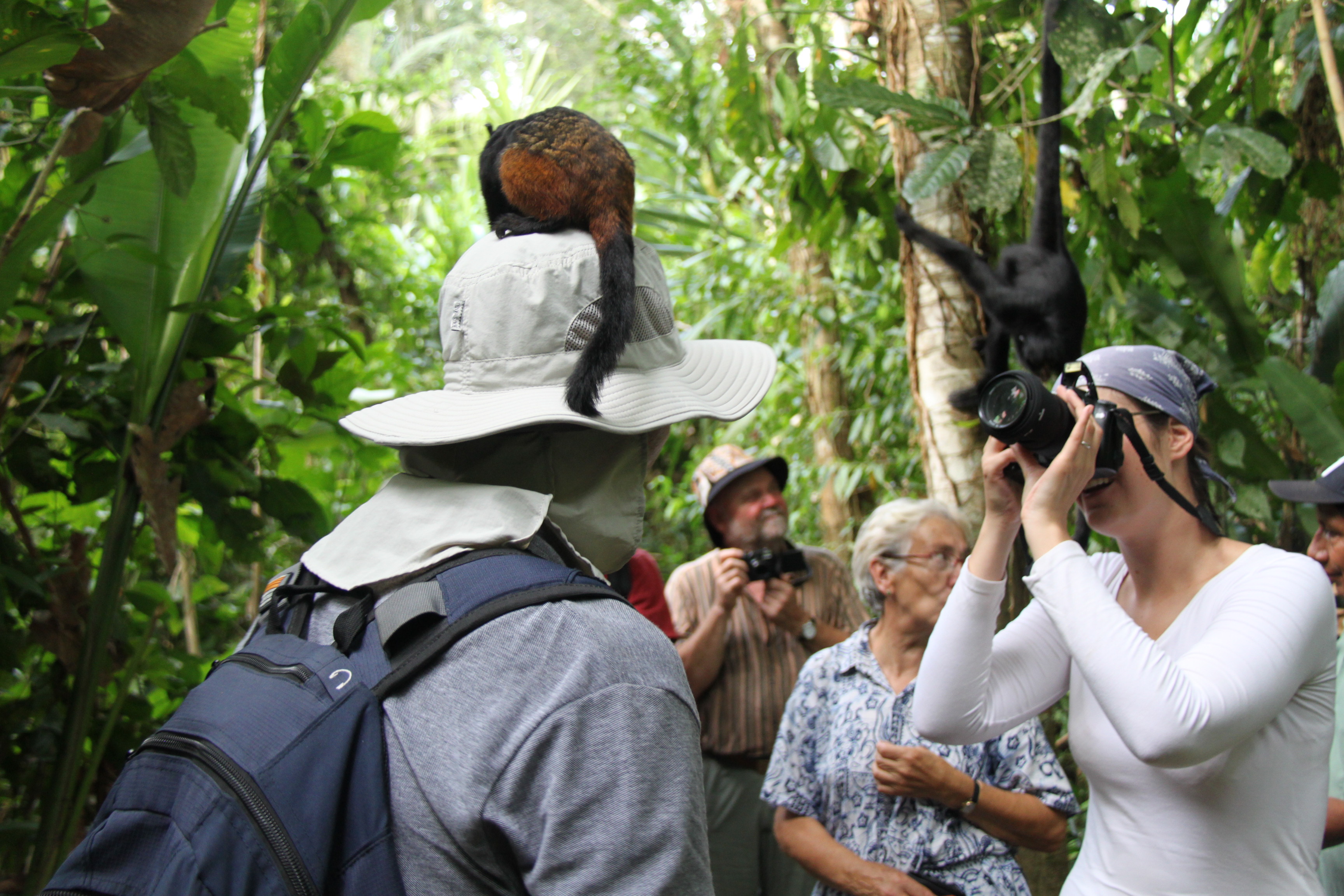
Despite this experience though, we can still smile! It was a fabulous experience. We learnt about the medicinal properties of the flora of the Amazon. We saw monkeys up close. We cruised upriver in the middle of the night to spot caimans and drifted downstream admiring the night sky – we had never seen so many stars!

 wise monkeys abroad