
Photography
weekly photo challenge: fray
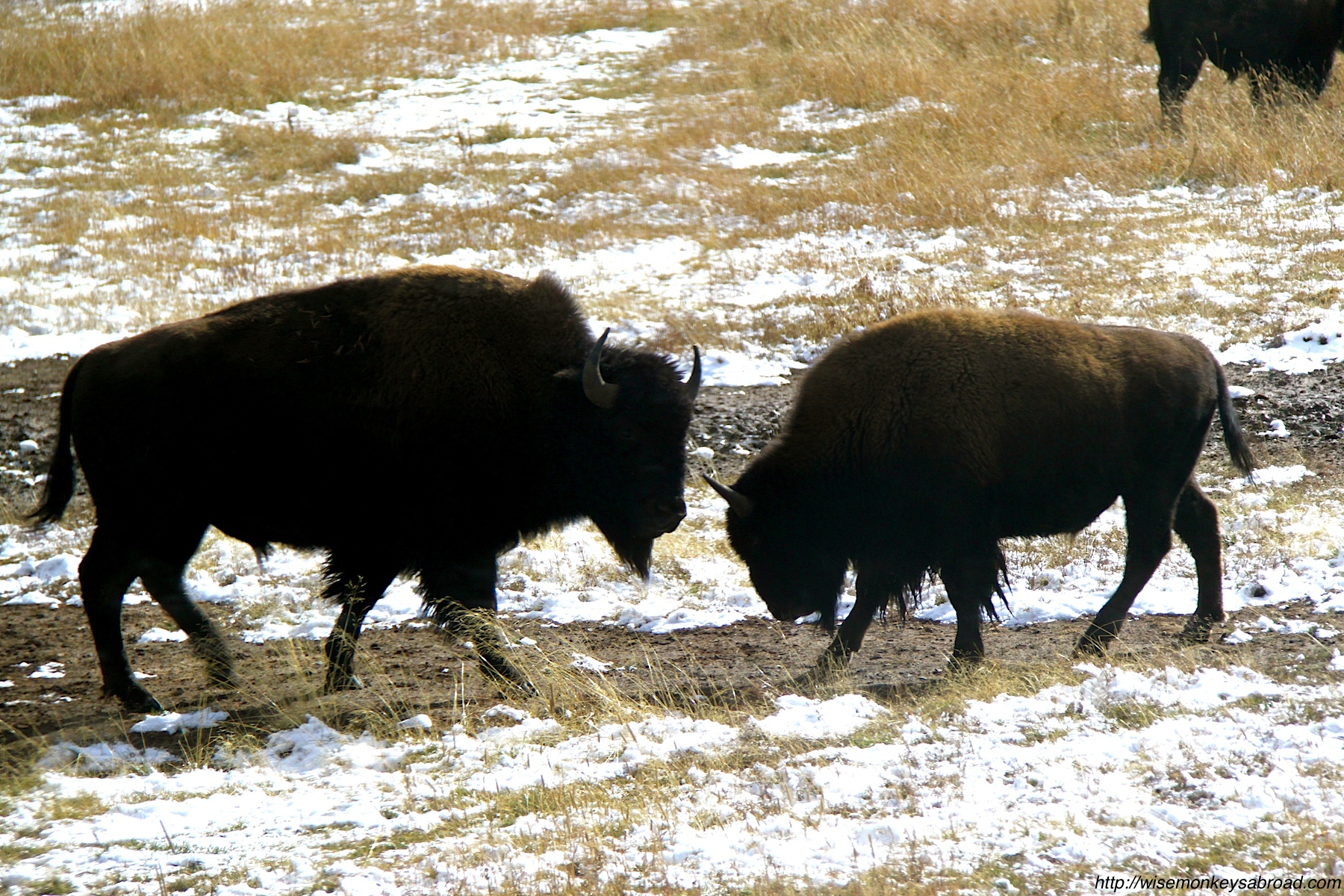
Fray has several meanings and we’ve chosen to go for the battle-fight definition for this week’s photo challenge!
This was taken in 2009 while passing through Yellowstone National Park!
Have a great weekend, everyone!
Leave us any comments here
Share this:

a peek at eight chateaux of the loire valley
For a few days, we were walking through the same hallways that Leonardo da Vinci did during the last few years of his life. We also walked where Catherine de Medici did and where other French kings and nobility had walked.
We were in the Loire Valley of France and felt like we had been transported back several hundred years. It was time to explore the châteaux and castles of the region. But when there are approximately 300 of them, 100 or so of which we can actually visit – how do we choose which ones to go to?
So we decided to choose based on their exterior. Yes, we know we shouldn’t judge a book by its cover but we did! Because when we sought guidance by asking those working in the travel industry in Tours which were their favourites (to help us narrow it down), they all responded the same.
“It’s too hard to choose. Each one is beautiful in their own way!”
Which was clearly not helpful to us at all.
To start with, we thought they only said that because they were being diplomatic and didn’t want to influence which ones we saw. After seeing 8 of the chateaux– we realized we couldn’t choose which one was our favourite either! Each was so architecturally different, with different interiors, gorgeous gardens or unique histories that enchanted us.
Here are a few sneak peek photos of the 8 we saw.
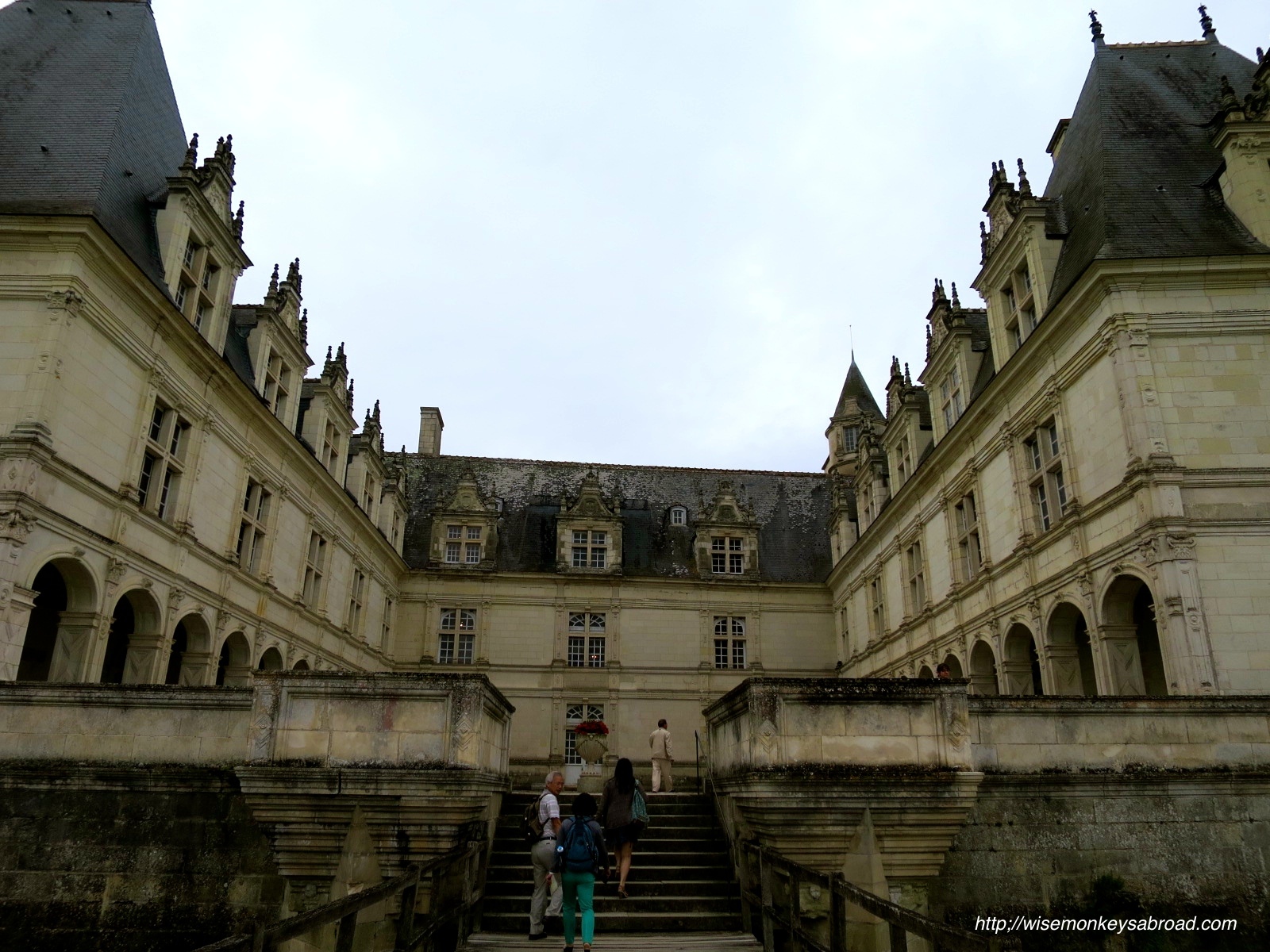
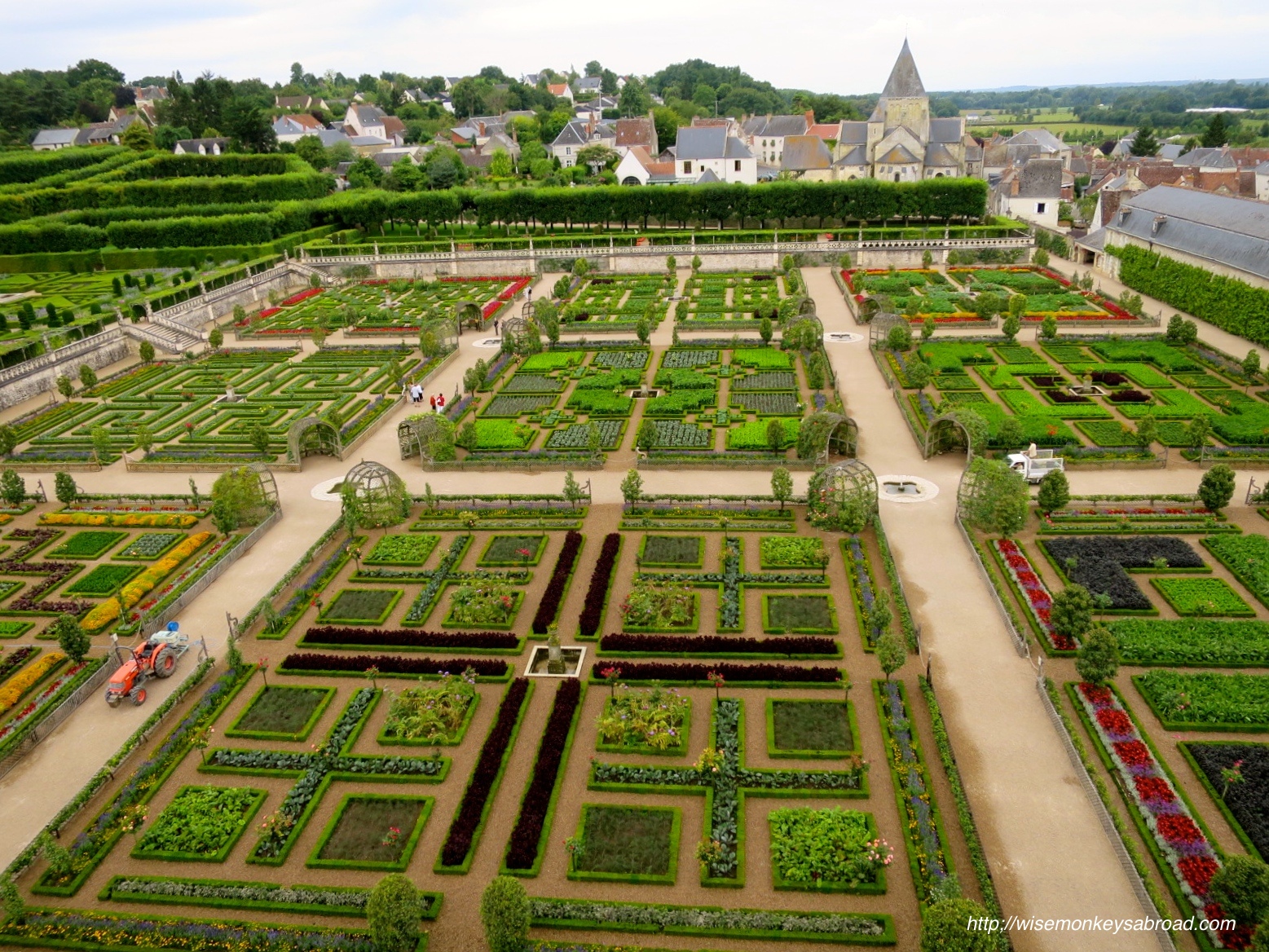
Villandry
The last of the great château built during the Renaissance. This estate has a magnificently manicured garden, fitted out with a vegetable and herb garden as well. This one is probably best explored on a lovely day.
Azay-le-Rideau
It was owned by the financier to King Francois I. He initially acquired the fortress in the early 1500s before building the luxurious château.


Chambord
The biggest of all in the Loire Valley – it was intended to be a hunting lodge for Francois I but he only spent about 72 days there. The grounds are so vast, it is enclosed with a 32 km wall.


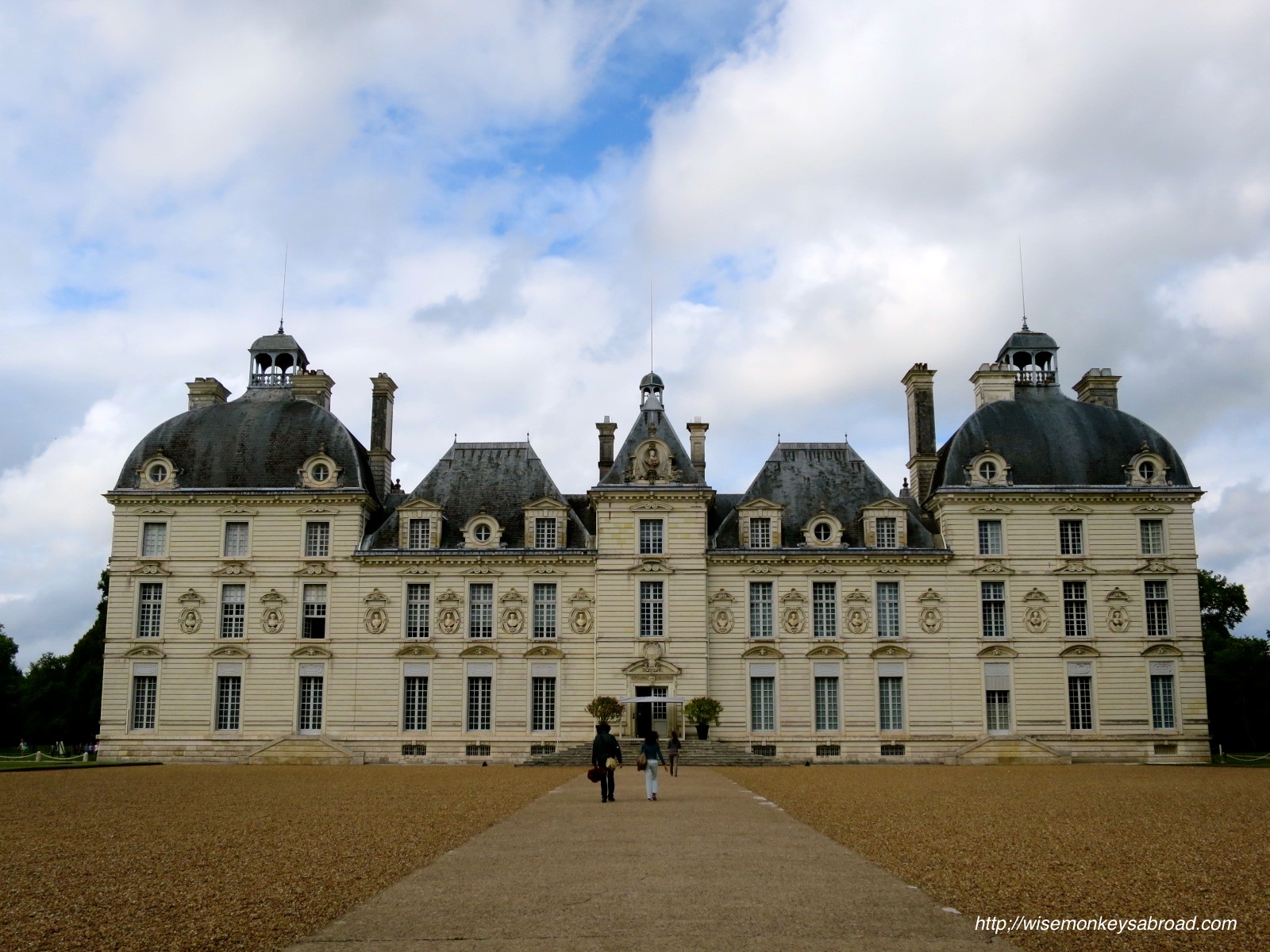
Cheverny
It is currently inhabited by the descendants of the Huraults Family. It has been owned by the Huraults for 6 centuries. It is still used for hunting parties and has kennels with about a hundred French Hounds which are fed at 5pm – it is rather entertaining to watch.
There may be a chance you recognise this château from Tintin?

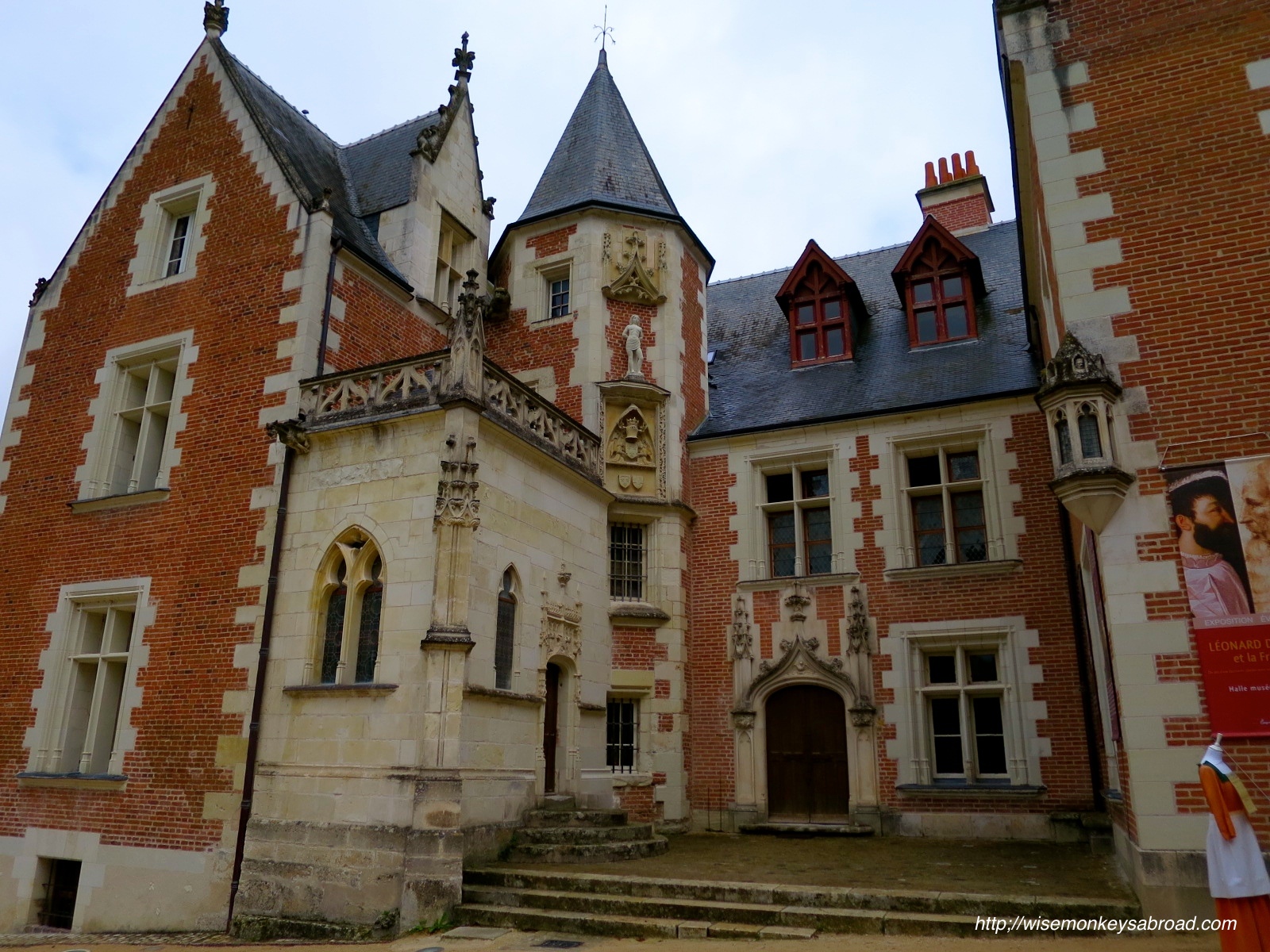
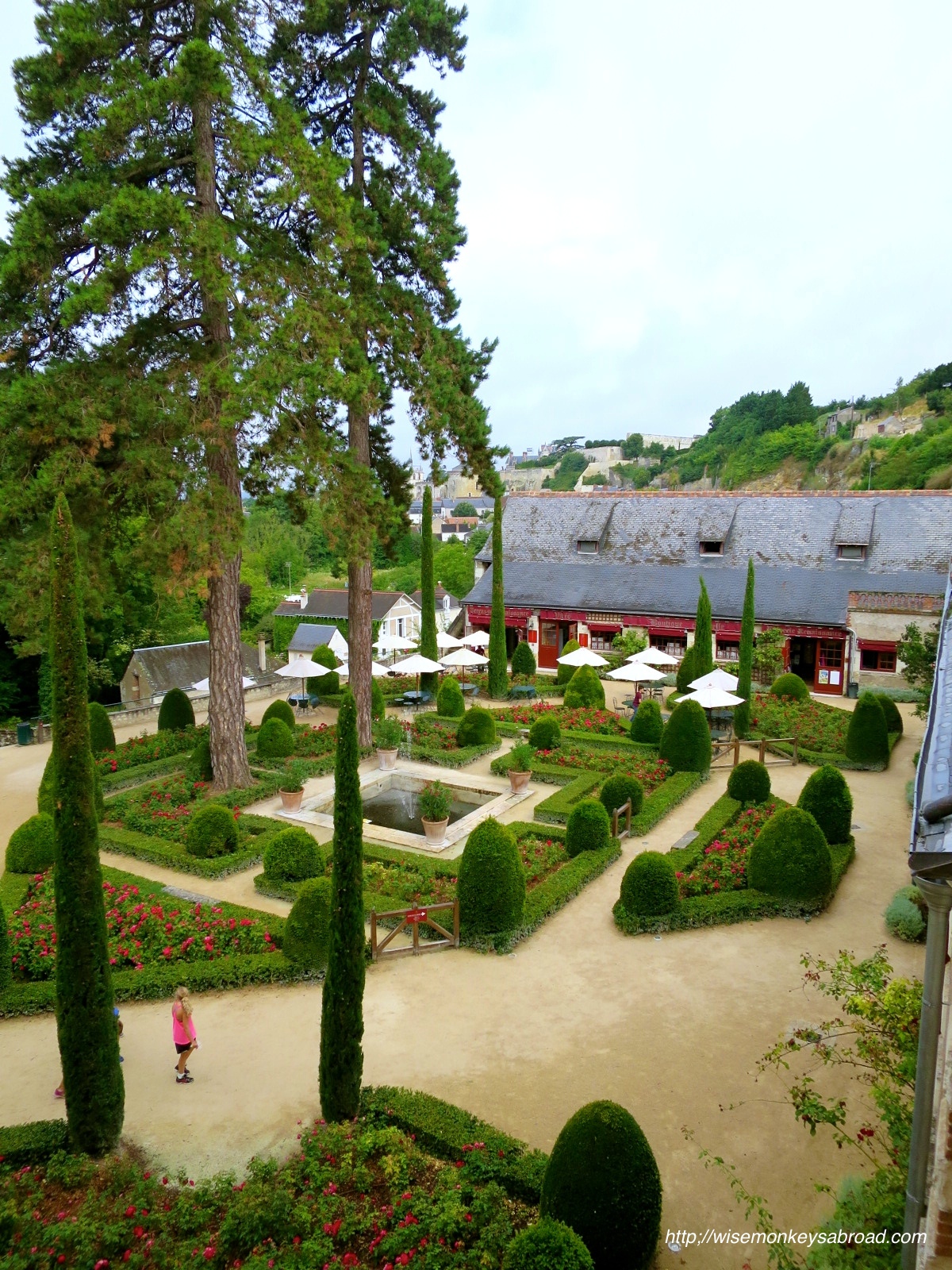
Clos Lucé
Leonardo da Vinci spent his last few years in this château at the invitation of Francois I. This was an interesting château as we really got an insight into the rather profound thoughts behind da Vinci’s inventions.
Amboise
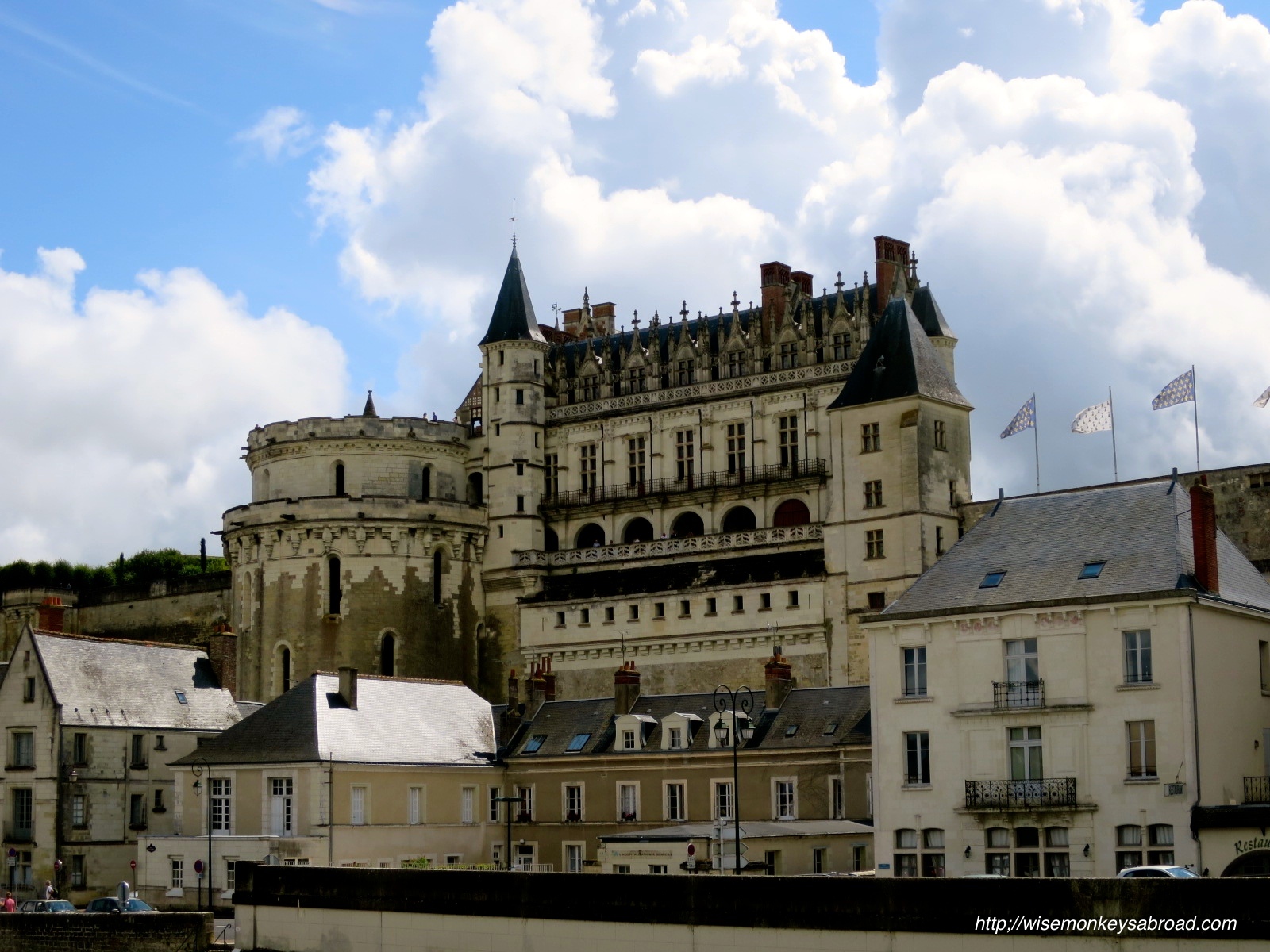
This was a place to live and stay for royalty but also had a wonderful view of the Loire Valley. It was a symbol of the King’s power and economic status.

Chenonceau
Possibly one of the most recognised château of the region – it was built over the River Cher. This is another estate with beautiful gardens. King Henri II gifted his mistress Diane de Poitiers with the château. His wife, Catherine de Medici removed Diane and in exchange gave her Chaumont.


Chaumont
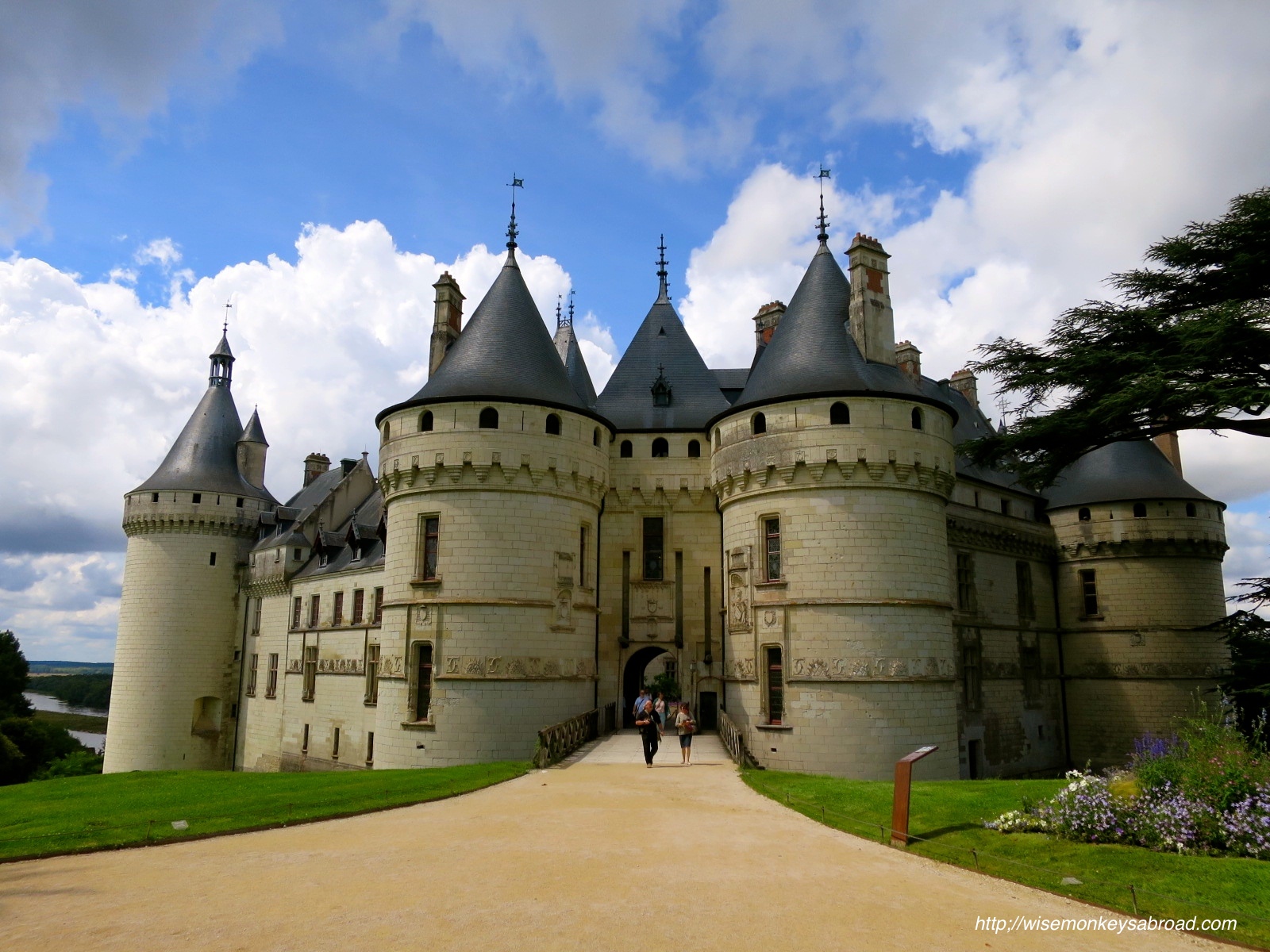
This château was likely used as a hunting ground. It has a remarkable garden and each year hosts an International Garden Festival. It has well-preserved horse stables which houses one of the finest gala saddleries in France.

Based on just the exteriors, which ones do you like the look of?
If you have visited the region, which was your favourite and why?
Tell us your thoughts here
Share this:

weekly photo challenge: silhouette
This B&W photo was taken at sunset in Krakow Old Town Square.
The silhouette is of Adam Mickiewicz, a famous Polish Romantic poet of the 19th Century. We captured this photo as a real pigeon landed to perch on his head.
The silhouette buildings around him are the Krakow Bell tower and the Krakow Cloth Hall. The rooster is part of the Cloth Hall.
Other silhouette photos can be found here.

Share this:

the hill of crosses: a photo essay
Looking around, we see fields and fields of green grass! And then we see a hill. And on that hill, we see thousands and thousands of crosses.
Hundreds of thousands of crucifixes of all different varieties: wooden ones, metal ones, miniscule ones and gigantic ones.


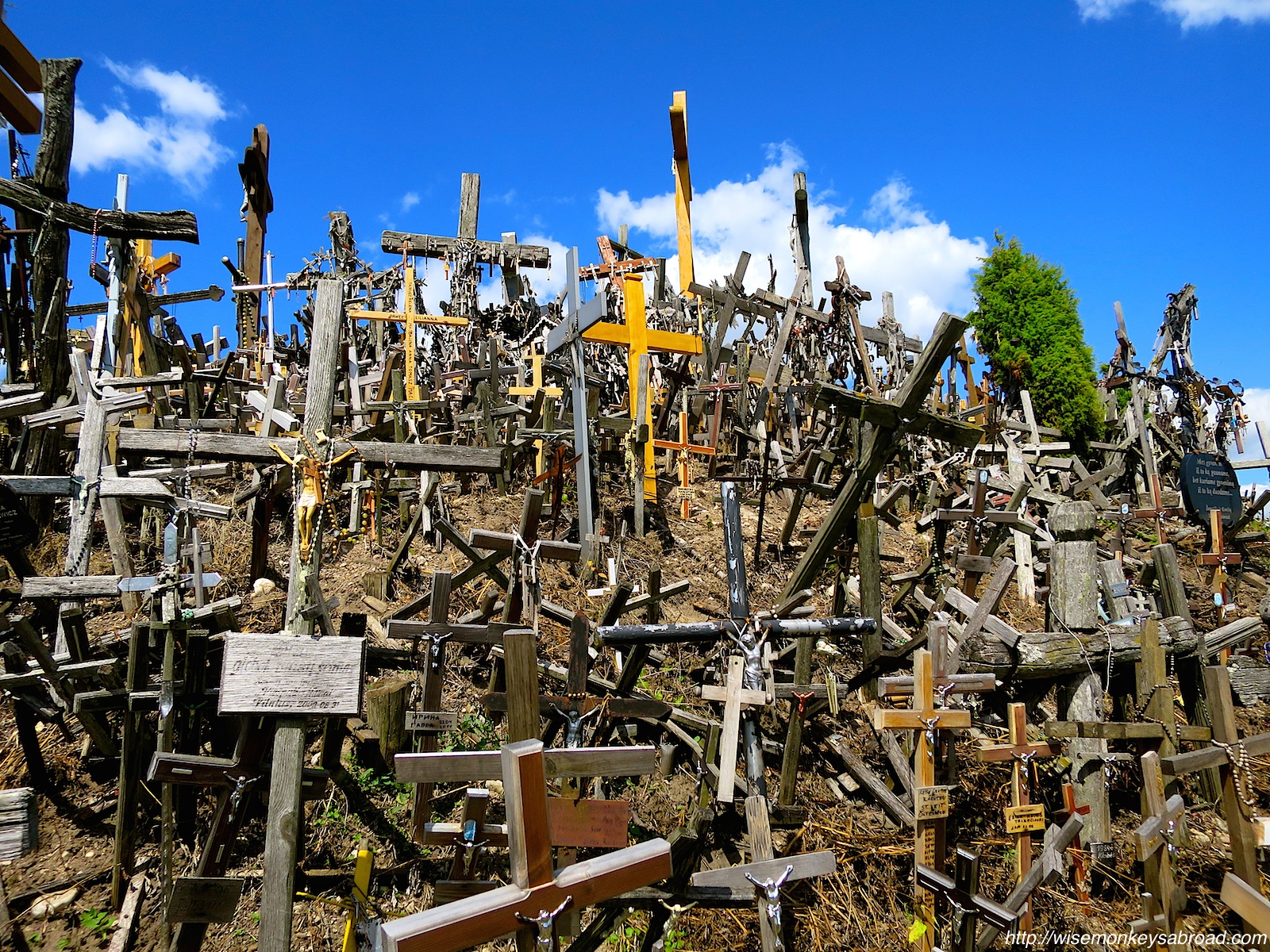
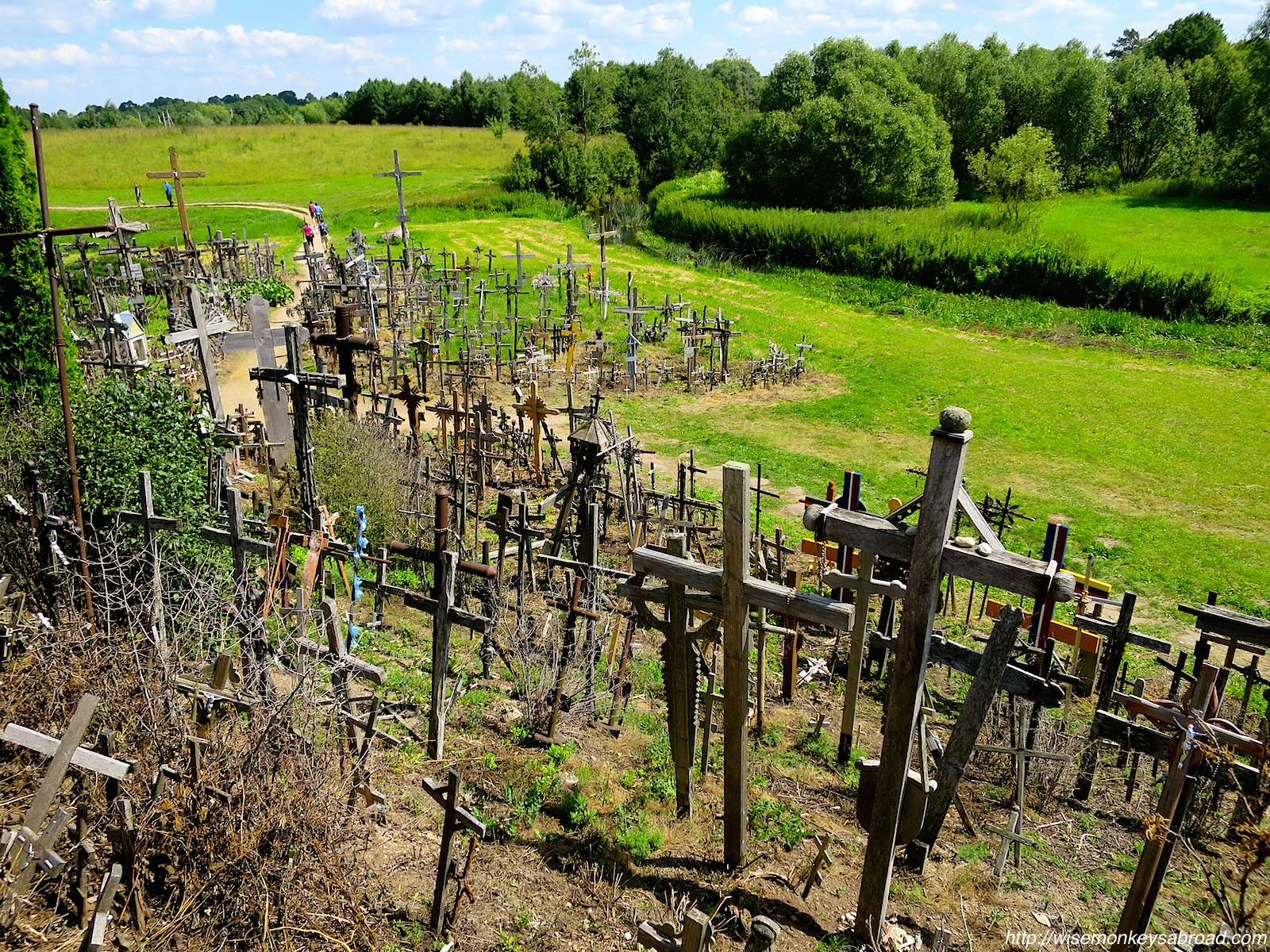

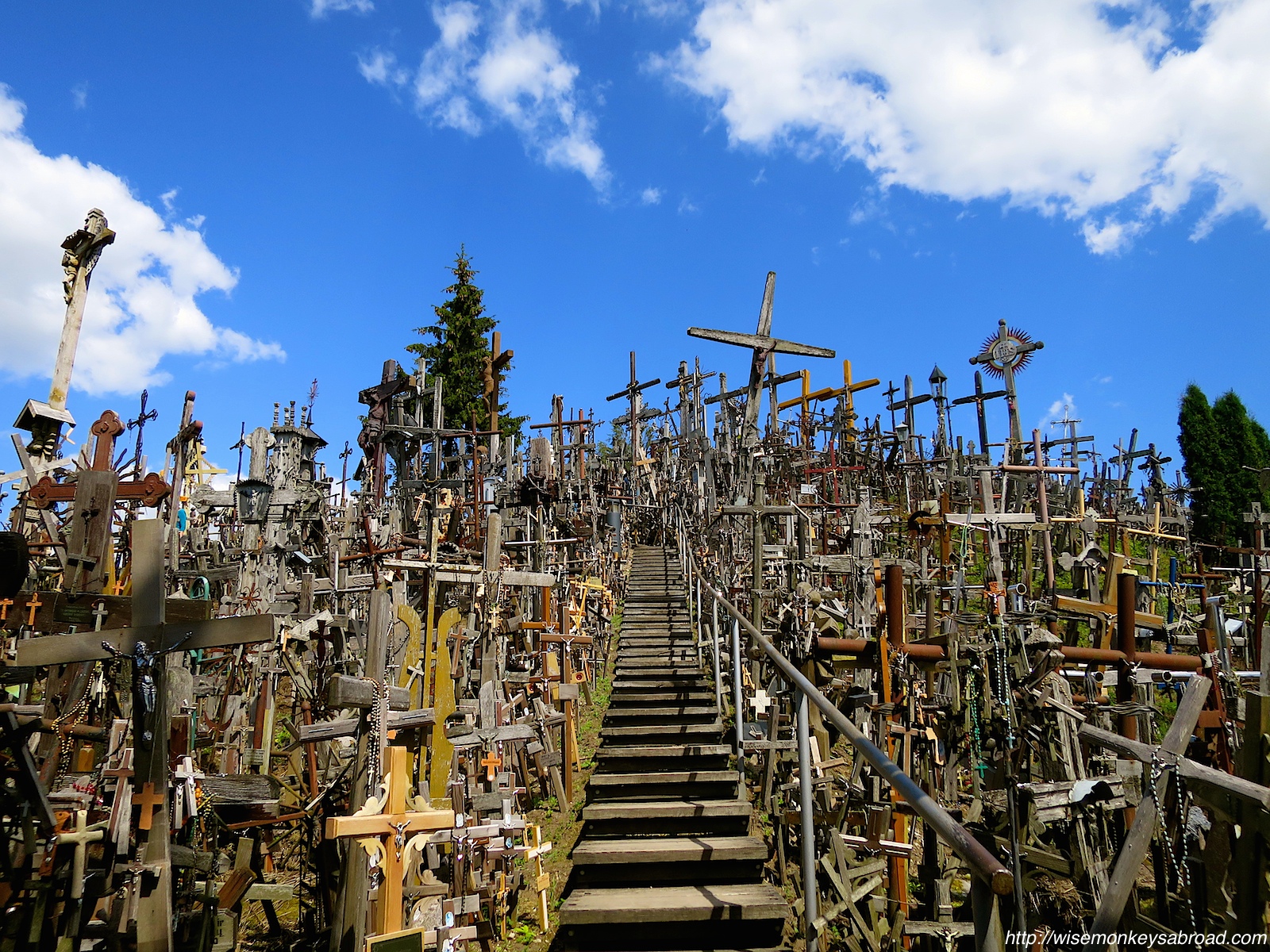
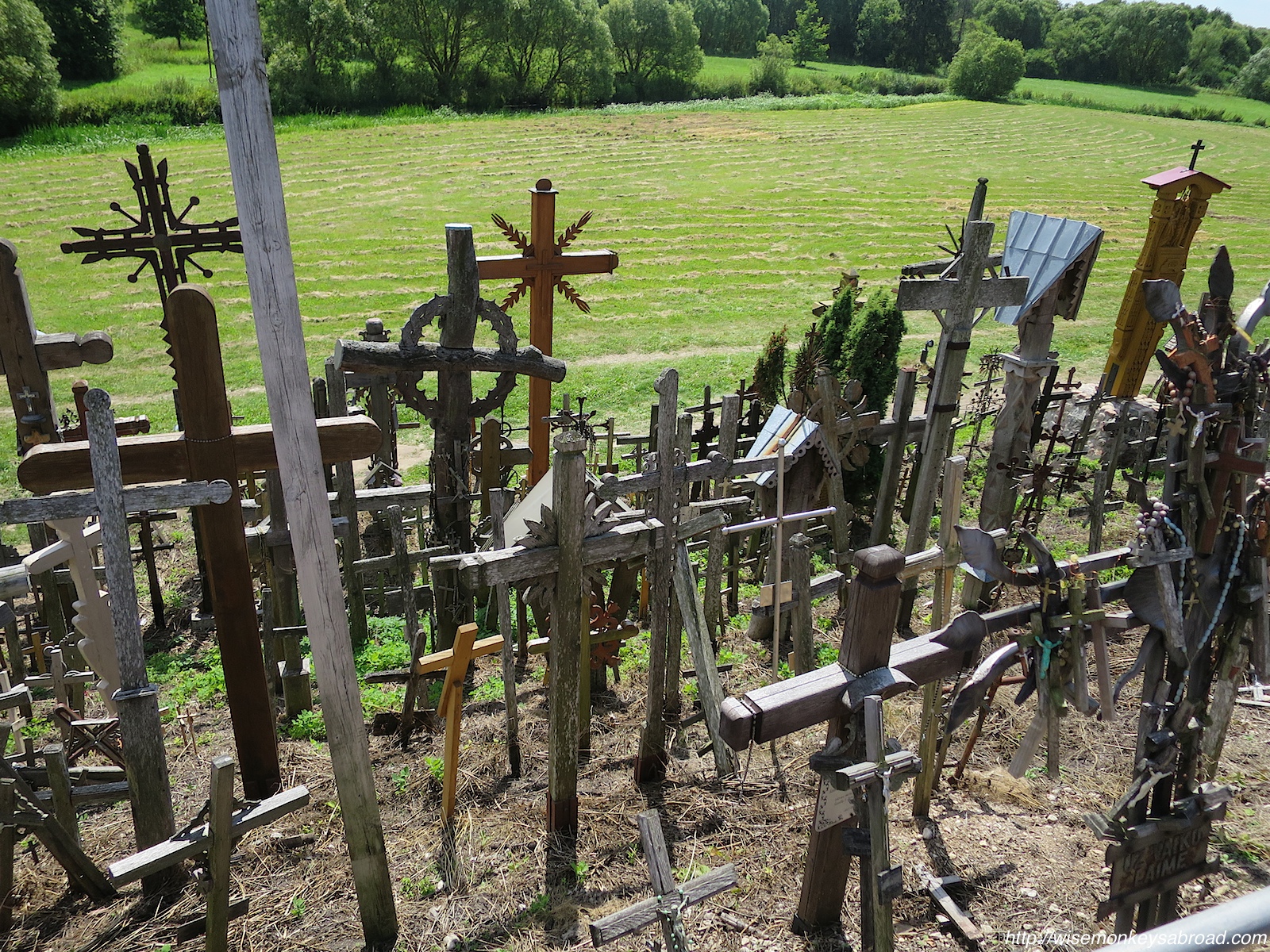

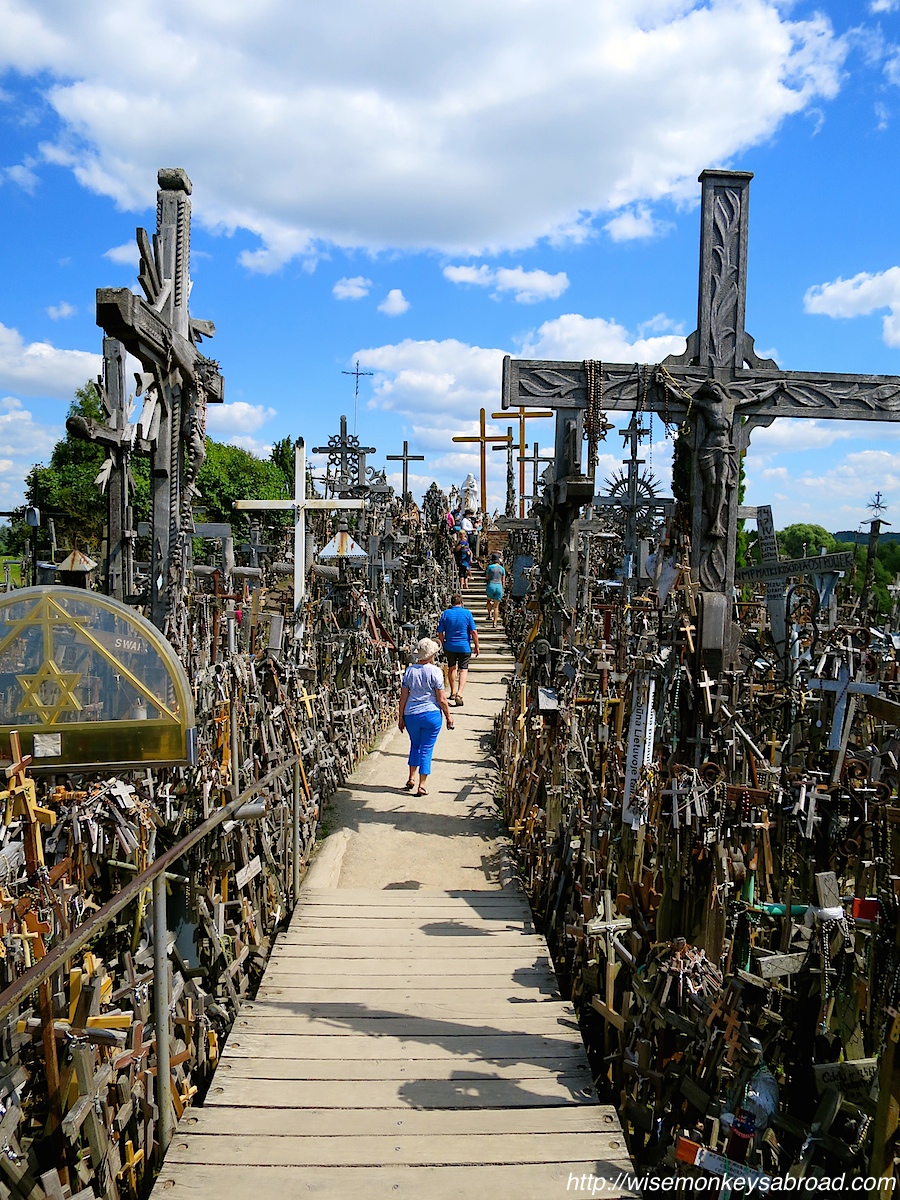
The Hill of Crosses is quite a remarkable sight. We felt a great reverence for those who have had a cross placed here for them as we walk through the narrow paths lined with crosses. This is a sacred pilgrimage site and we can certainly see why. There is a strong spiritual feel and a sense of peacefulness. Its location probably helps as it is rather removed from the hustle bustle of a major city.
The information behind the origin is all very hazy but it is believed that relatives placed crosses here for those who were killed during the 1800s uprising between Eastern Europe and the Russian Empire. Over the years, it has become a symbolic “grave” for anyone that has passed away.
During the Russian Occupation of Lithuania, this was the Lithuanians show of their unity, faith and identity.
The last thing we see during our visit is a stone that is inscribed with the words of Pope John Paul II following his visit. This really was a fitting summary of what we saw!
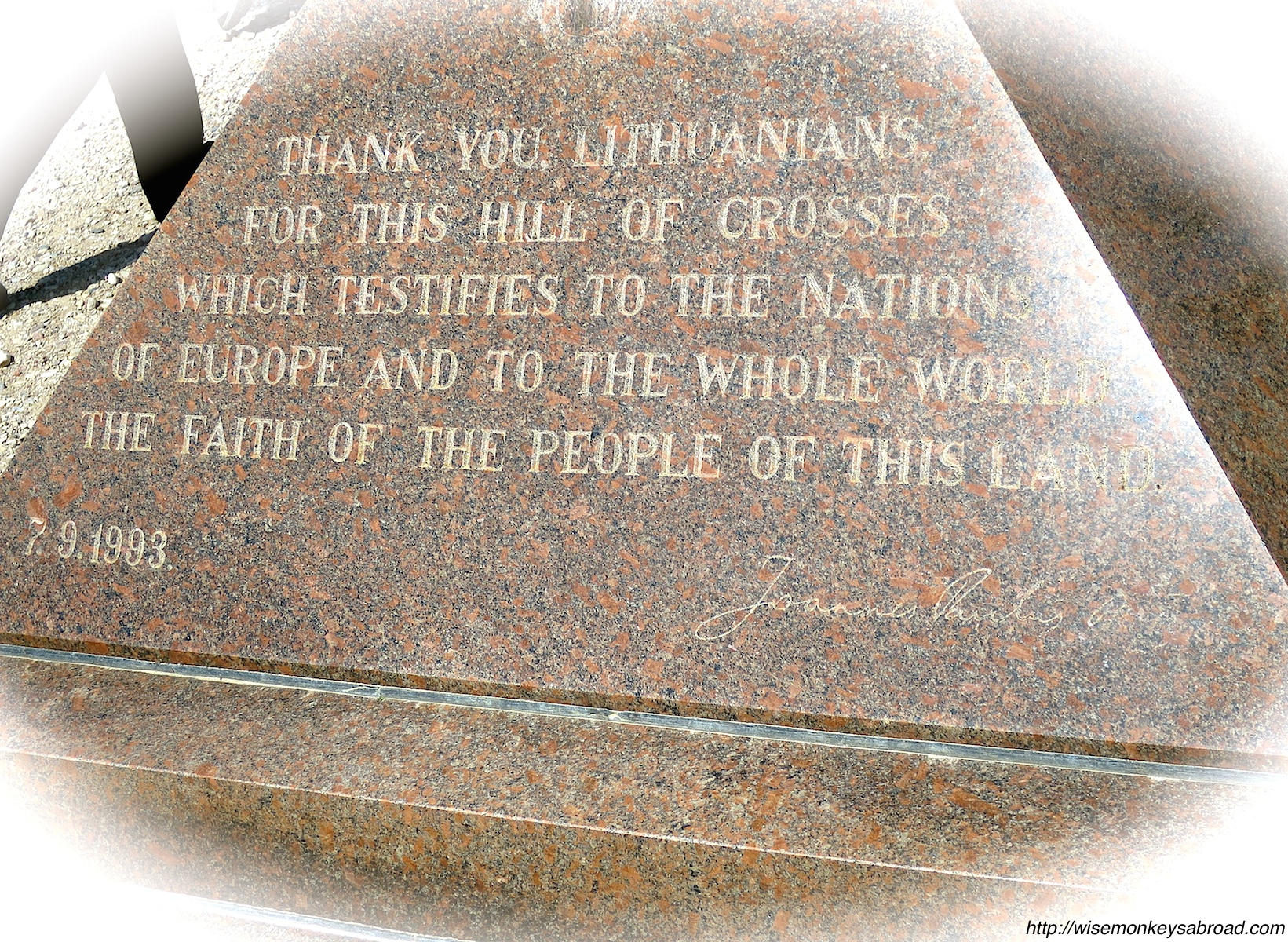
We found this a moving place to visit.
Have you been to the Hill of Crosses?
Leave us a comment here

 wise monkeys abroad