South America
andean explorer: train journey from cusco to puno
When it comes to getting around within a country, our favourite mode of transport would be train: there is just so much leg room and freedom to move around while also having the opportunity to stare out of the windows at the passing scenery. Reading and playing card games are also easy possibilities to pass the time.
That is how we got to Puno from Cusco when we were in Peru. We went on the Andean Explorer which took about 12 hours. The seating carriages were also the dining carriage and the configuration was 4-seater tables and 2-seater tables. There was lunch and afternoon tea served. Towards the rear of the train was the lounge carriage with a bar and entertainment was provided throughout the journey.


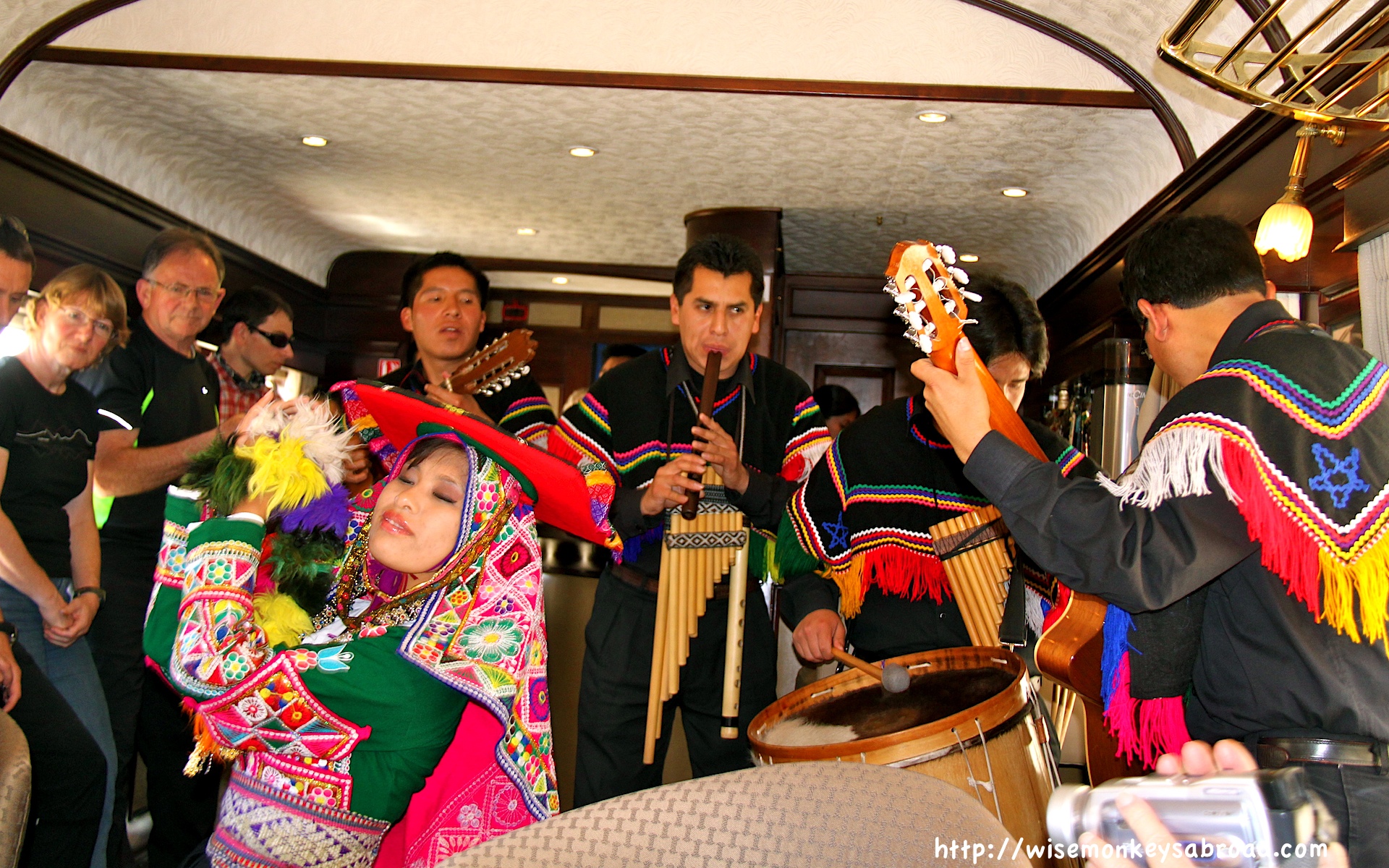
The last carriage was an observation carriage with expansive viewing windows and no glass at the very back, perfect for photographing the ever-changing scenery. The train passes through so many different glorious backdrops and vegetation; through mountainous areas, farms, and in one section, right over a market set up on the tracks. The train journey was an experience we will never forget and were so glad to have experienced!
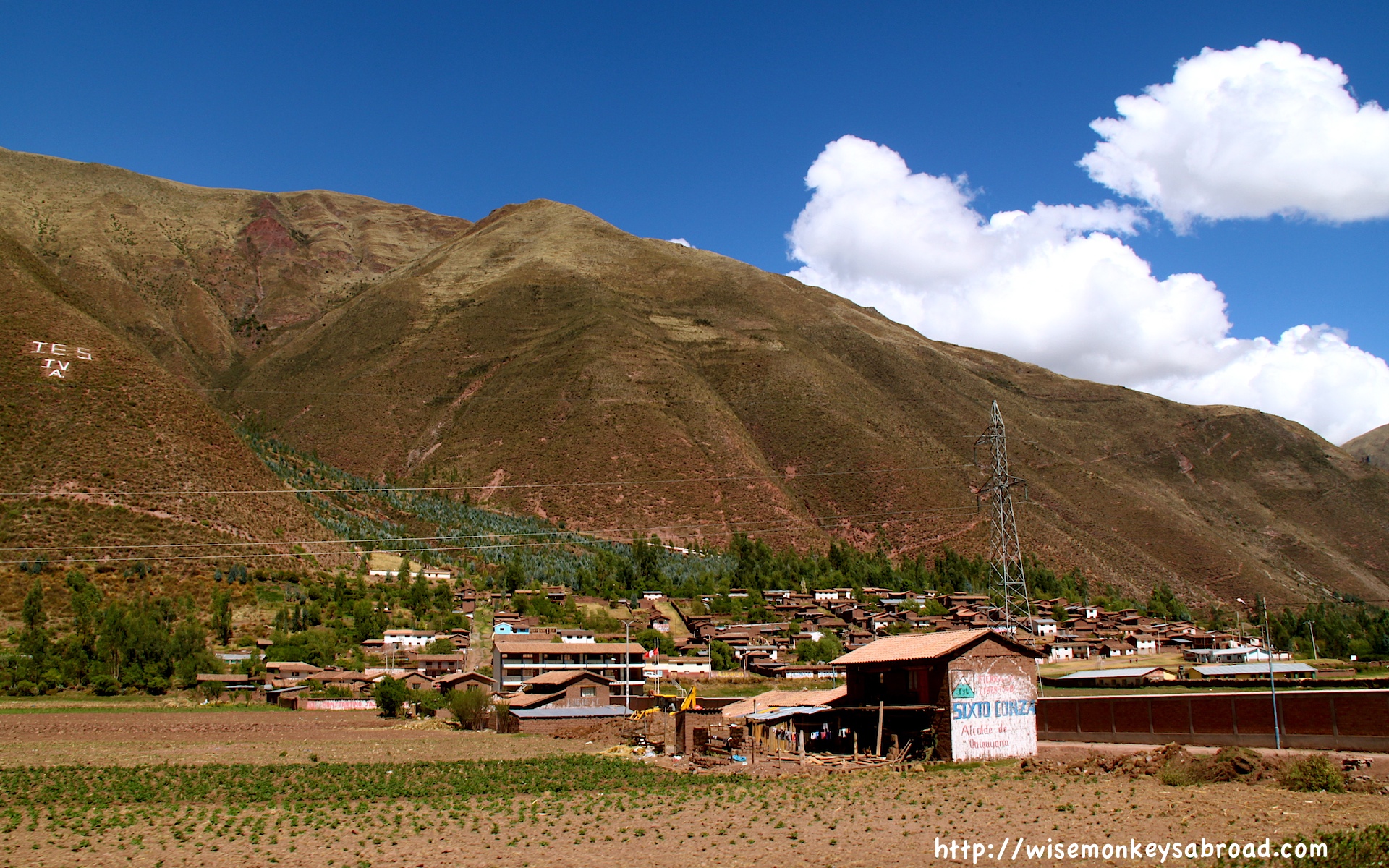
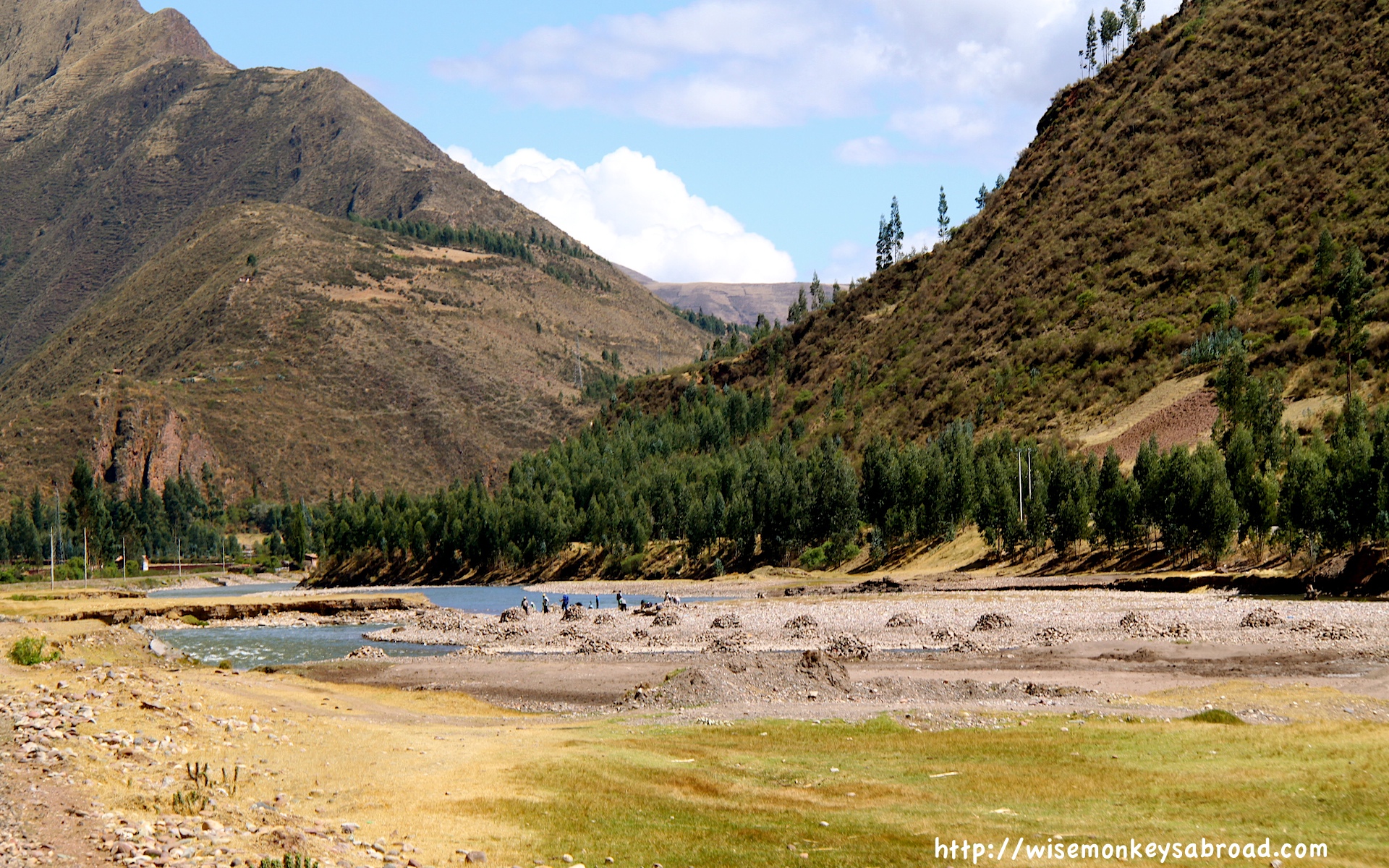

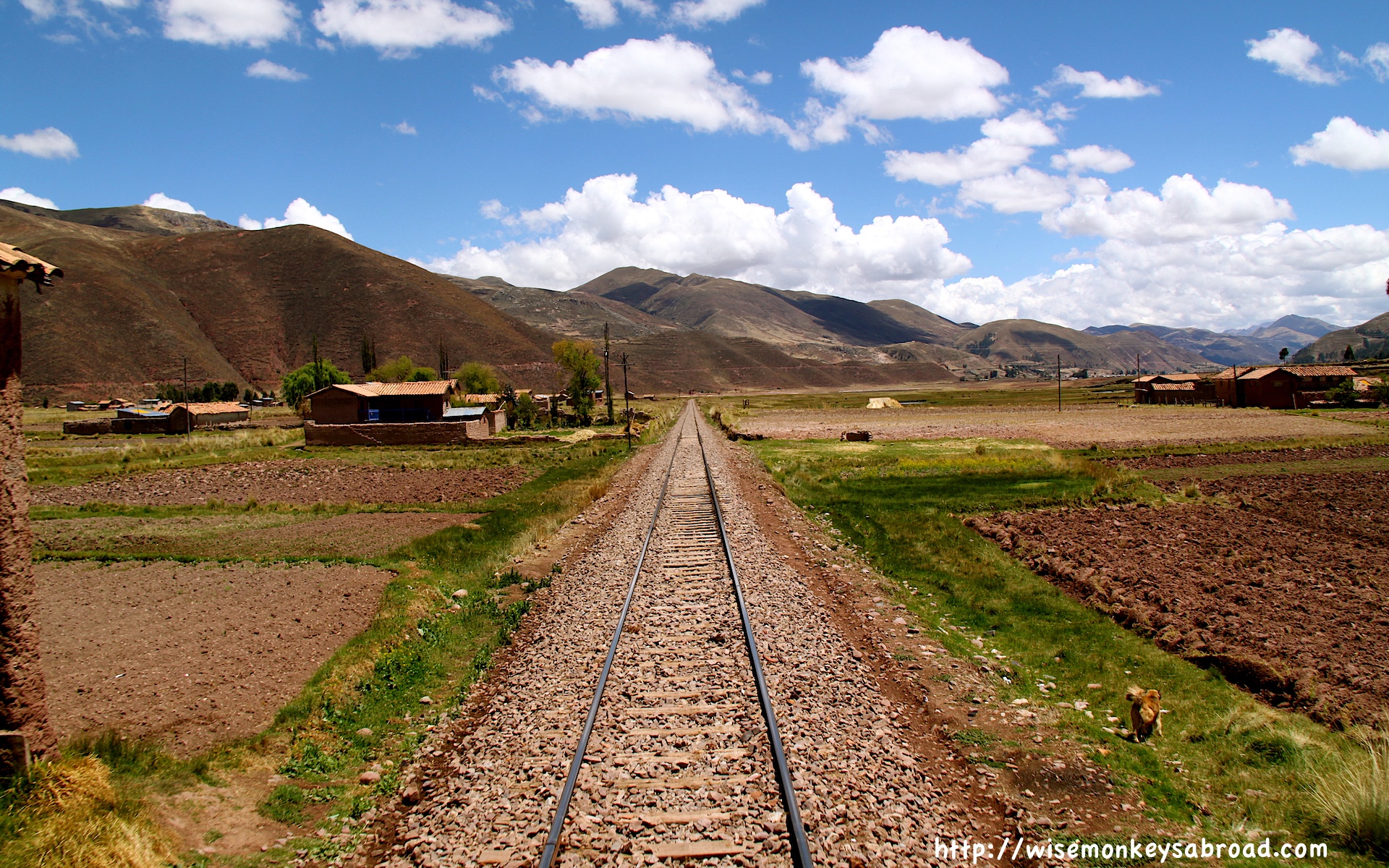


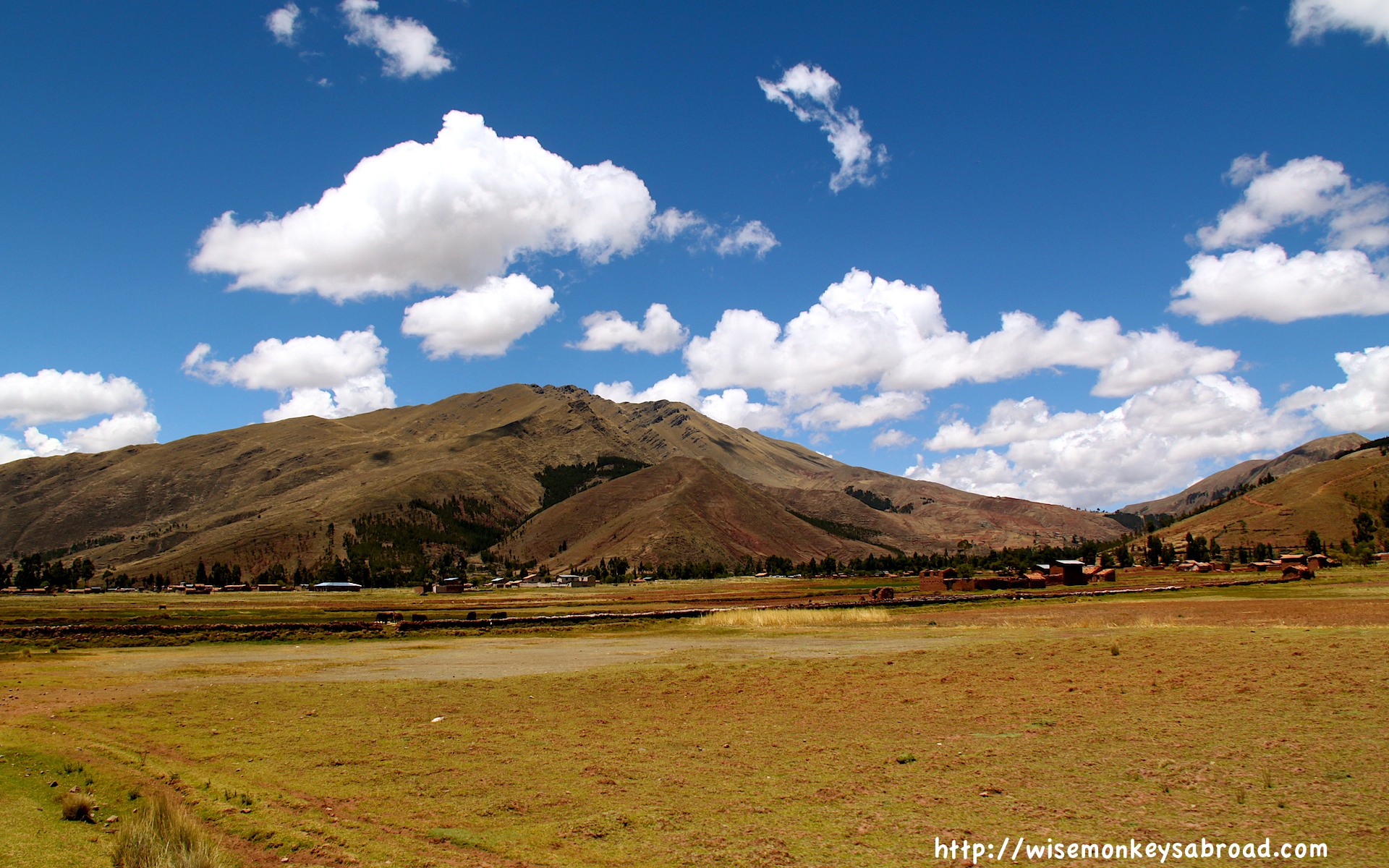

The altitude for Cusco is approximately 3400 metres above sea level while Puno is about 3900 metres above sea level. On the train, the highest point that it stops at is La Raya which is almost 4400 metres above sea level. It certainly did feel harder to breathe as we walked around the markets at La Raya station.


At higher altitude, there is a decreased oxygen pressure – it is not related to someone’s fitness ability. A few pointers/tips that we found useful to avoid altitude sickness:
- Take it slow – over exertion is probably the easiest way to succumb to altitude sickness.
- Coca leaves and coca tea – what the locals use to help with this. Its quite readily available so enquire about it.
- Make sure that several hours after arriving at high altitudes, to relax. We spent the rest of the afternoon lying in bed and watching TV. There is always the temptation to hit the ground running and head out straight away to explore but it wasn’t worth the risk. This goes hand in hand with avoiding over-exertion. Allow the body to acclimatise.
- One last tip from a friend who had been to Peru : don’t let our head go below our heart e.g. if we were to pick something up from the ground, we were best to bend out knees and lower our entire body, keeping our head and neck straight as opposed to bending over as we normally would and letting our head drop forward and then quickly standing up again. We took this tip and all others on board because we were not risking altitude sickness and risking it spoiling our time in Peru.
Share this:

weekly photo challenge: treasure
Image Posted on
The Weekly Photo Challenge asked us what we treasure….
We treasure each other and our families of course. But for this challenge, we are showing another thing we treasure: the world around us.
The one experience that we both hold dear is when we were able see Lonesome George in his last months on earth. Lonesome George was the last of the Pinta Island tortoises and is the Galapagos Island conservation icon.
He represents to us how precious and vulnerable nature is and how much we need to treasure it!

Share this:

weekly photo challenge: community
Cheri from The Daily Post said:
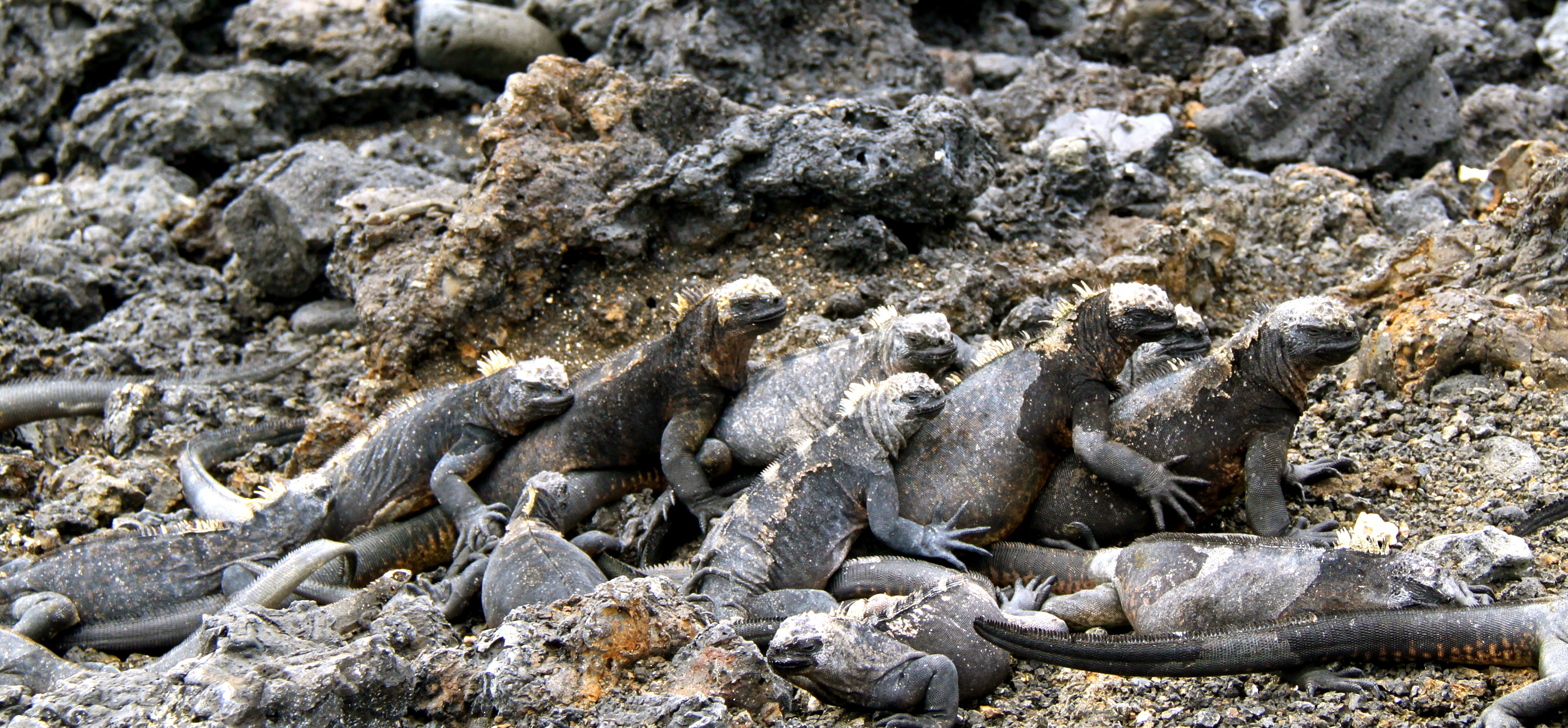
This week, in a post created specifically for this challenge, show us community, and interpret it any way you please!
And this is how we interpreted it…..

Share this:

abundance and diversity
We all are aware of Darwin’s theory of evolution. It is from his time spent in the Galapagos Islands that helped him arrive at this theory. However this isn’t about his theory, its about the animals behind his theory.
There are two ways one can get around the Galapagos Islands. The first is to take a cruise (which is the popular way) after flying in from Quito and the second is to island hop. We chose the latter and after speaking to the locals, this is their preference too. Island hopping allows the money from tourism to be pumped back into the islands and its people as opposed to cruises where the money returns to the cruise companies. The examples that were given to us by one of our guides was that if tourists chose to island hop, they would eat on the island and sleep on shore therefore a cascade of benefits would follow (in terms of employment for the locals and economy boost).
Anyway, economy aside and how ever the Galapagos Islands are explored, there is no doubting that it is a wonderland of fauna and flora. There were many occasions where we would see several species of birds perched together (diversity). Or other occasions where we saw numerous animals of the same species (abundance). And probably the sweetest thing is getting up close with the animals. Obviously there are rules about touching them and staying a certain distance away from them but when we were with the guides, we went off their cues. There were times when we had sea lions frolicking in the water beside our boat, marine iguanas scurrying past us and blue-footed boobies happily perched on rocks a mere metre away without even blinking an eyelid at us.


With all the wildlife and wonderful encounters also comes with the need for conservation. The conservation messages are reinforced and there is a big drive to preserve the environment for us and for the animals. For us, seeing Lonesome George, the last of his species was a humbling experience. To think that there once were 14 species of tortoises in the Galapagos and now only 11, and being on the verge of down to 10. The Galapagos is a place worth visiting to remind us of how animals and humans can live in harmony and how important it is to look after the planet for future generations to enjoy!

For photos dedicated to all the animals, see the Galapagos Islands album in Photo Gallery
Share this:

- ← Previous
- 1
- …
- 5
- 6
- 7
- Next →
 wise monkeys abroad