
andean explorer: train journey from cusco to puno
When it comes to getting around within a country, our favourite mode of transport would be train: there is just so much leg room and freedom to move around while also having the opportunity to stare out of the windows at the passing scenery. Reading and playing card games are also easy possibilities to pass the time.
That is how we got to Puno from Cusco when we were in Peru. We went on the Andean Explorer which took about 12 hours. The seating carriages were also the dining carriage and the configuration was 4-seater tables and 2-seater tables. There was lunch and afternoon tea served. Towards the rear of the train was the lounge carriage with a bar and entertainment was provided throughout the journey.


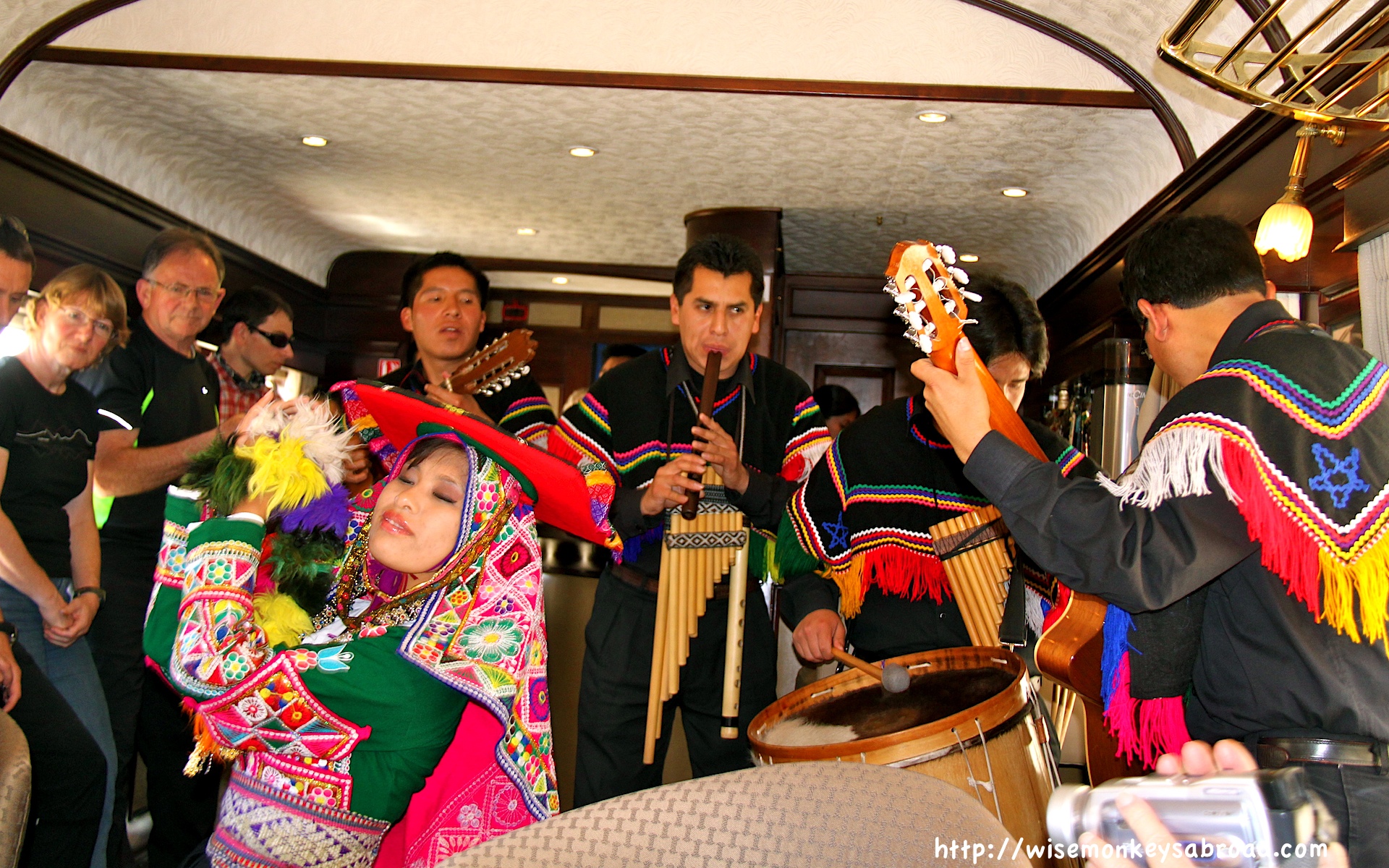
The last carriage was an observation carriage with expansive viewing windows and no glass at the very back, perfect for photographing the ever-changing scenery. The train passes through so many different glorious backdrops and vegetation; through mountainous areas, farms, and in one section, right over a market set up on the tracks. The train journey was an experience we will never forget and were so glad to have experienced!
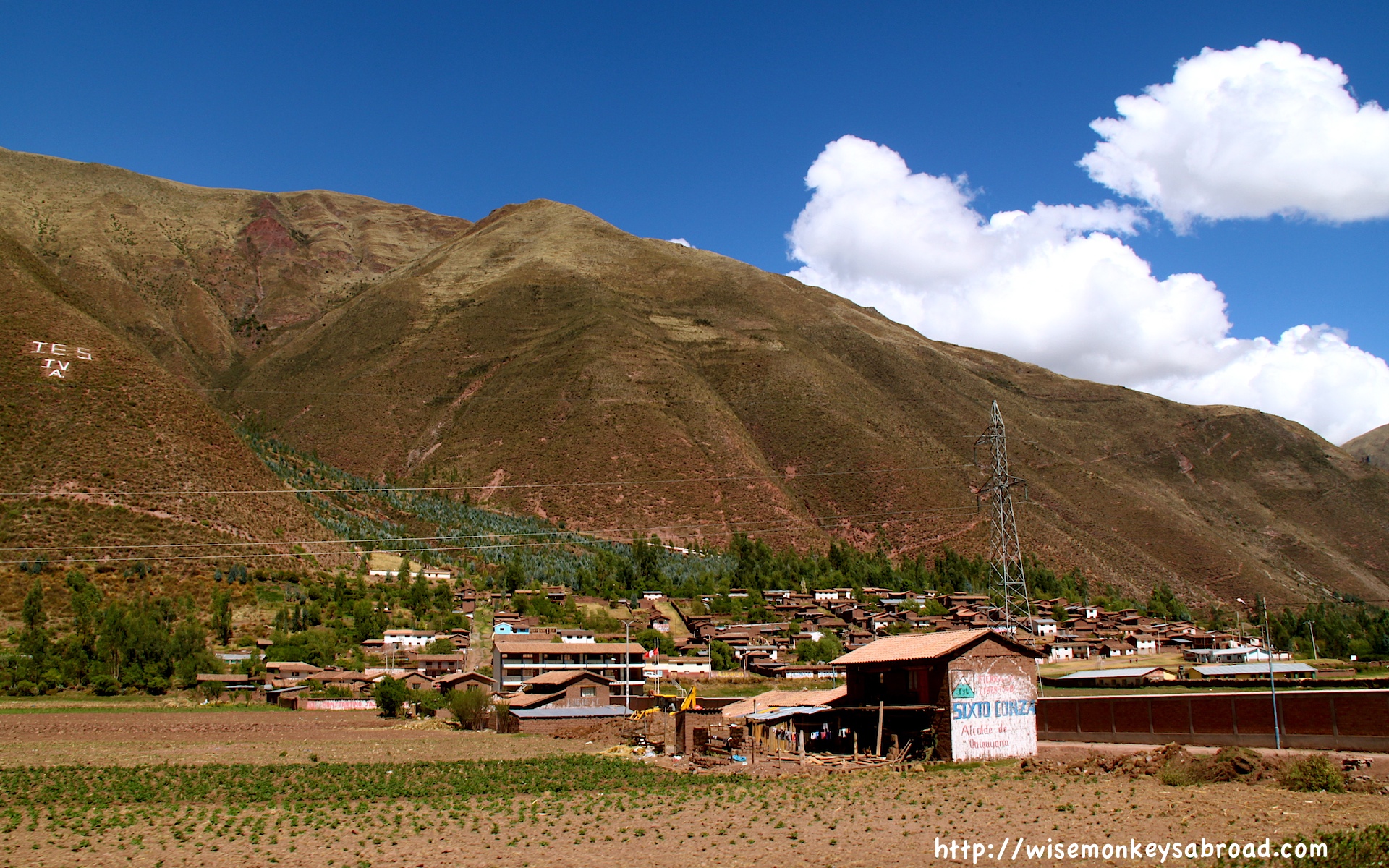
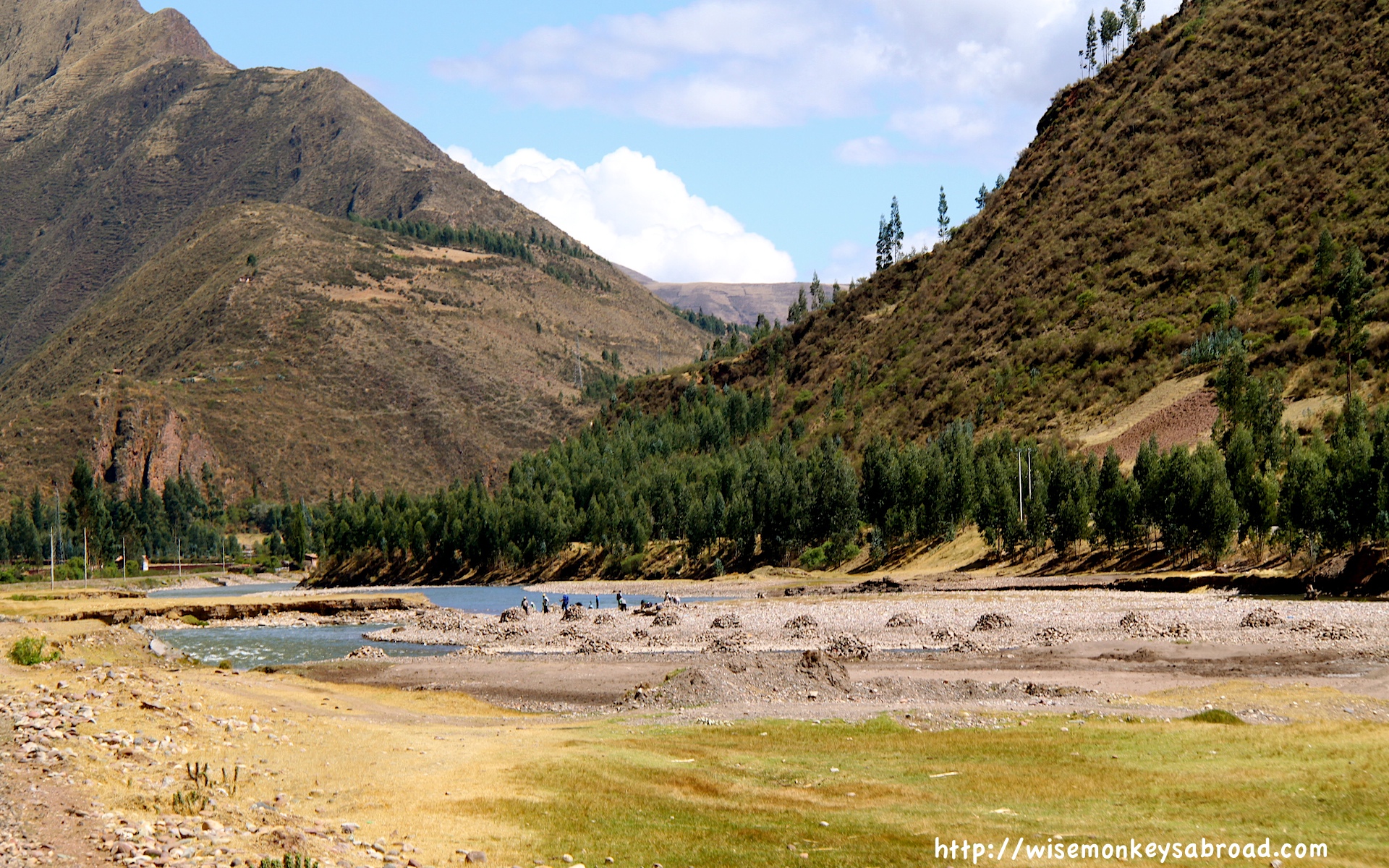

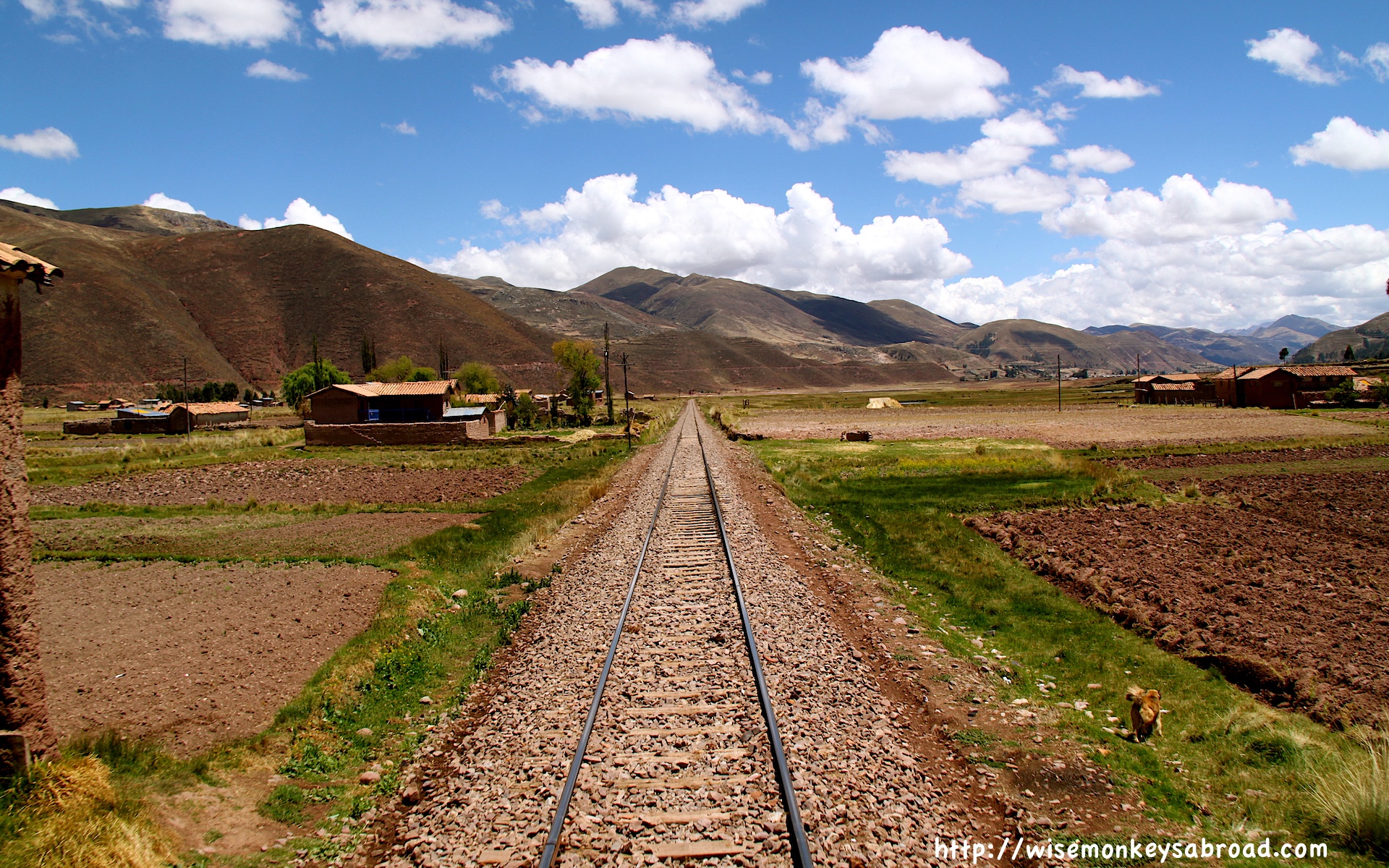


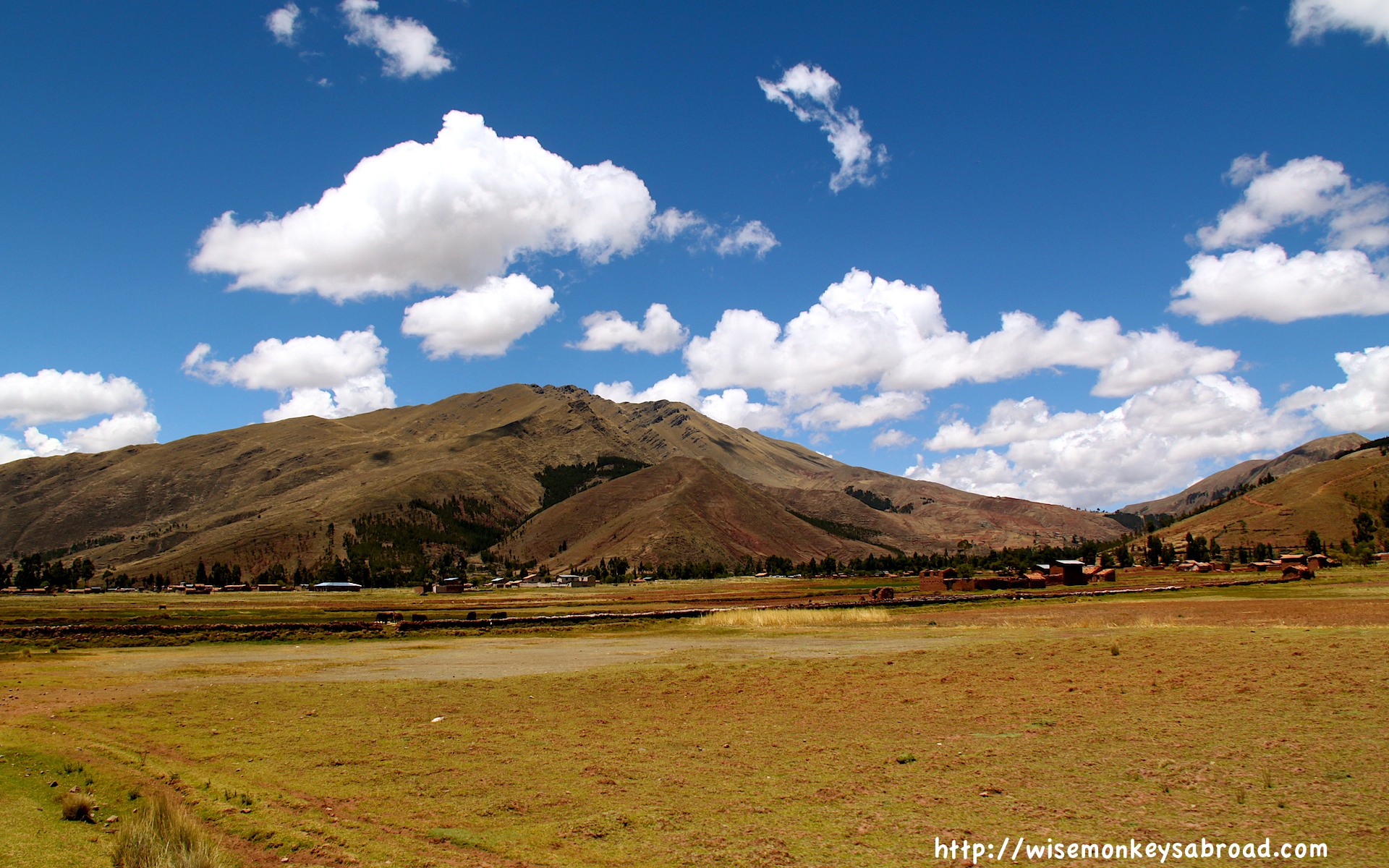

The altitude for Cusco is approximately 3400 metres above sea level while Puno is about 3900 metres above sea level. On the train, the highest point that it stops at is La Raya which is almost 4400 metres above sea level. It certainly did feel harder to breathe as we walked around the markets at La Raya station.


At higher altitude, there is a decreased oxygen pressure – it is not related to someone’s fitness ability. A few pointers/tips that we found useful to avoid altitude sickness:
- Take it slow – over exertion is probably the easiest way to succumb to altitude sickness.
- Coca leaves and coca tea – what the locals use to help with this. Its quite readily available so enquire about it.
- Make sure that several hours after arriving at high altitudes, to relax. We spent the rest of the afternoon lying in bed and watching TV. There is always the temptation to hit the ground running and head out straight away to explore but it wasn’t worth the risk. This goes hand in hand with avoiding over-exertion. Allow the body to acclimatise.
- One last tip from a friend who had been to Peru : don’t let our head go below our heart e.g. if we were to pick something up from the ground, we were best to bend out knees and lower our entire body, keeping our head and neck straight as opposed to bending over as we normally would and letting our head drop forward and then quickly standing up again. We took this tip and all others on board because we were not risking altitude sickness and risking it spoiling our time in Peru.
Share this:

basic introduction to the whirling dervishes
We need to embarrassingly confess two things:
Firstly, we had no idea what whirling dervishes were before going to Turkey.
Secondly, when we were asked if we were interested to attend one while we were in Pamukkale, Turkey. We said yes thinking that it would be an evening of entertainment because the word “whirling” conjures up images of dancing and spinning around. So we were right about the spinning but not right about anything else.

This is what we learnt during the course of the evening:
- It is known as a Sema ceremony
- It is part of Turkish custom, history, beliefs and culture
- It is a religious ceremony symbolising the journey of man through mind and love to perfection
- There are 7 parts of the ceremony:
- A eulogy to Muhammad, the Prophet, and to all the Prophets before him – to praise them is to praise God
- Drums symbolising the Divine order of the Creator
- Instrumental music with a “ney” – a reed wind instrument. This represents The Divine Breath – the first breath that gave everything life
- The dervishes greet one another and perform their circular walk three times
- The dervishes whirl in a circular formation and repeat this “salute” four times. They whirl with their arms open with their right hands directed towards the sky, ready to receive God’s beneficence. They turn their left hands towards the earth and spin from right to left. This is the Sema part
- A reading from the Quran
- A prayer for peace of the souls of all Prophet and believers.
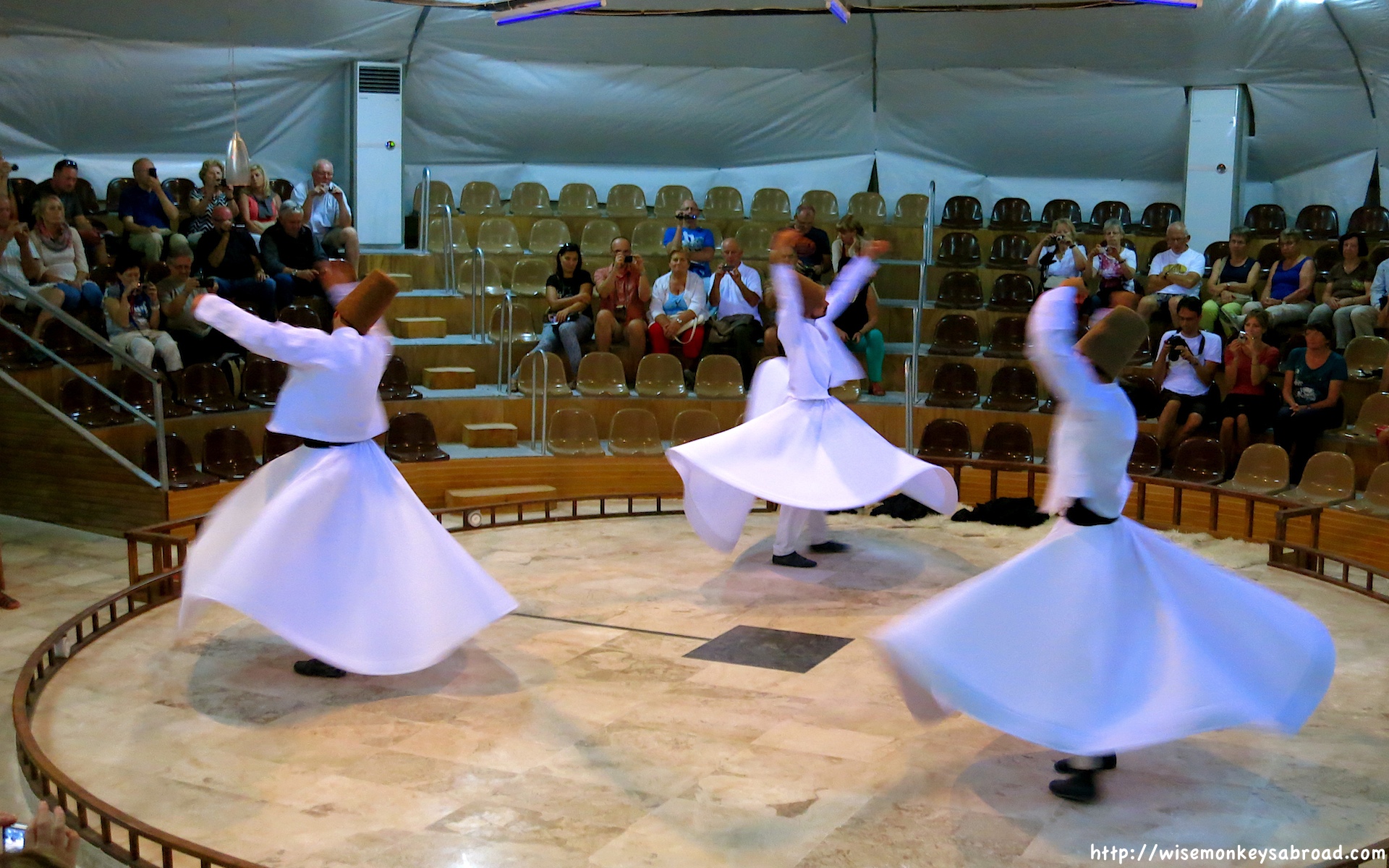
Being a religious ceremony, it is respectful not to take photographs during the cermony. The photos we took were after the ceremony when the dervishes performed specifically for photos.
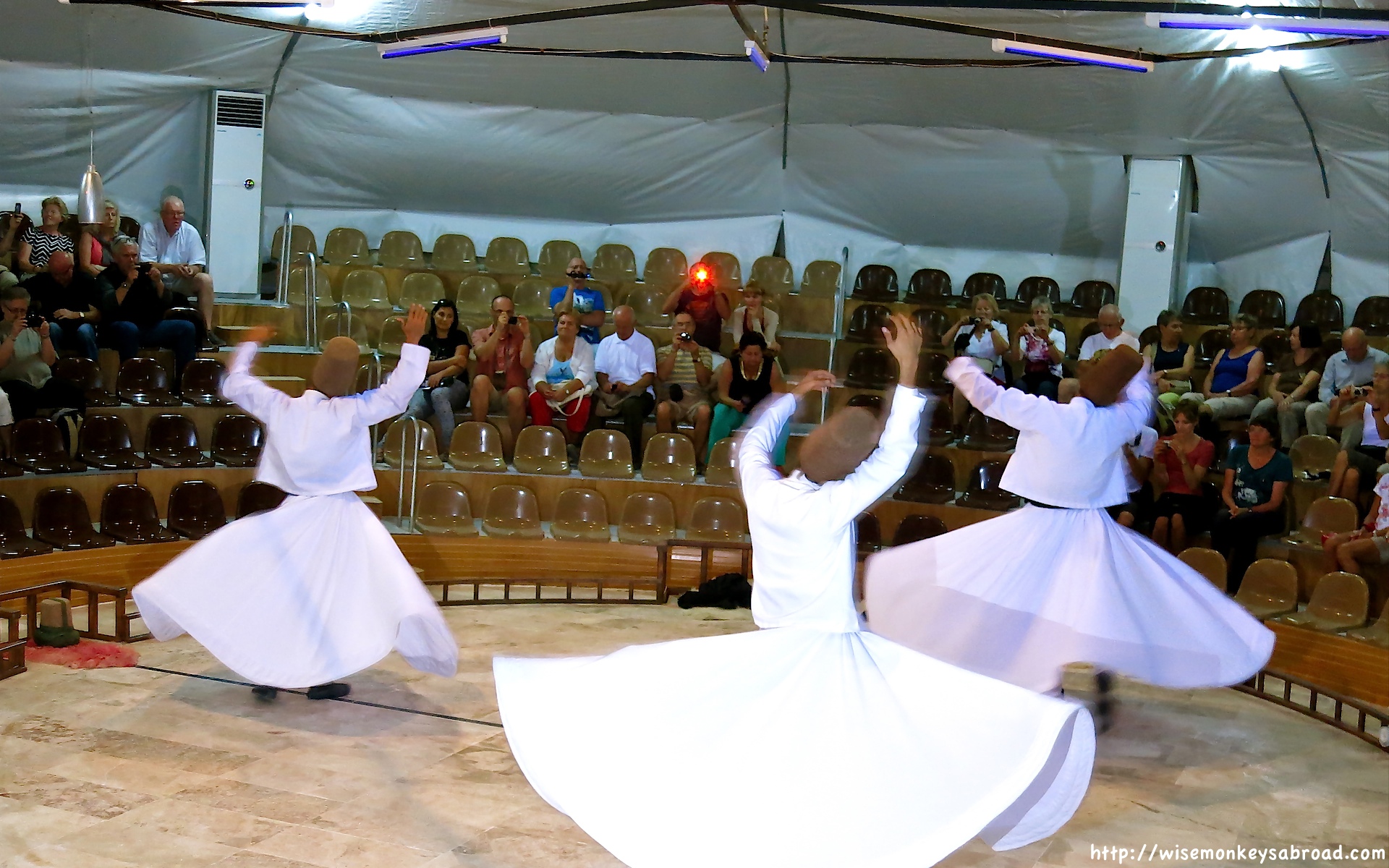
Attending a whirling dervish ceremony is not for everyone. We do recommend that it is worth understanding the purpose before experiencing the holy ceremony. It will help with a greater appreciation for what is being performed. Be aware that the ceremony takes approximately 60 minutes and most of it is performed with little lighting.
We certainly enjoyed the opportunity to witness the ceremony and found it quite mesmerising, peaceful and spiritual. Watching the dervishes the entire time made us dizzy occasionally – closing our eyes and just listening to the music was enchanting in itself. The music accompanying the ceremony was ever so soothing for the soul!
Share this:

weekend walks: manly dam
This weekend’s walk comes with more than just photos but also a story:
Our tally for the day was one red-bellied black snake, one brown snake and one goanna. A record considering we have seen NONE before in the wild. The two snakes is on the list for Australia’s deadliest snakes so you can imagine our reaction when we came across two in the span of about 20 minutes!
We panicked and our adrenaline kicked in – for those few seconds, we couldn’t think and pretty much froze. Kind of wish now that we had thought to take a photo. The red-bellied snake just slithered right across our path – possibly sun-baking until interrupted by the vibration of us approaching. As we watched it exit, it seemed to be moving in slow motion, with its bright red belly pressed against the ground. On the other hand, the brown snake seemed petrified of us when we crunched innocently through some dried leaves as we approached a billabong. The brown snake took off alongside a log and honestly, to witness its speed as it propelled its body was sensational. More sensational that it was heading AWAY from us. We had never seen anything like it other than on TV.
The goanna also had us stopped in our tracks. He paused on the path for about 2-3 minutes, long enough for us to take a photo from a distance, before scurrying off into the bushes!

What a surreal day! And as you would have it, we had forgotten to pack our first-aid kit. So there we were, hoping we could get to the end of the walk without any snake attacks!
Hope you enjoy the photos from this weekend’s walk.
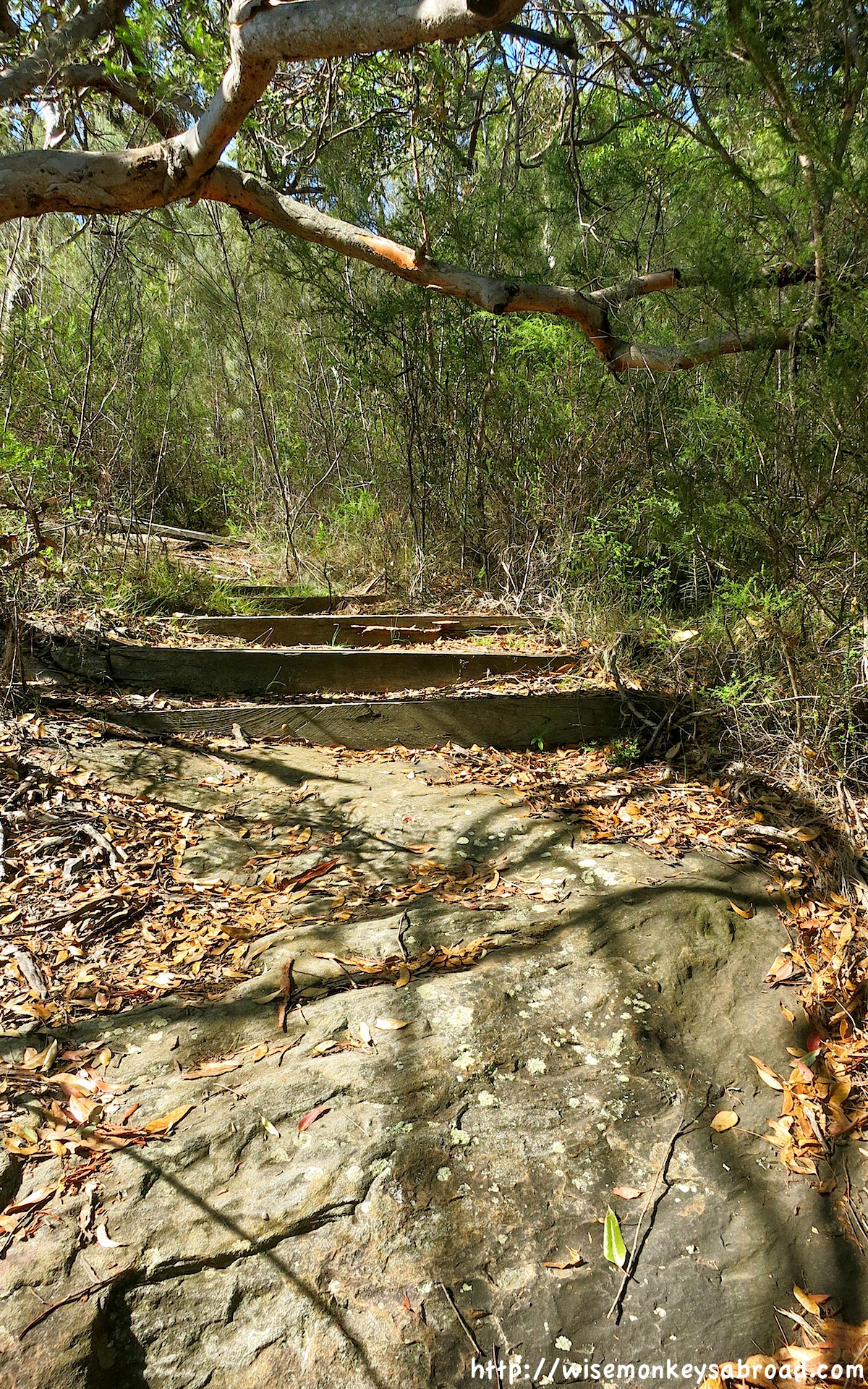

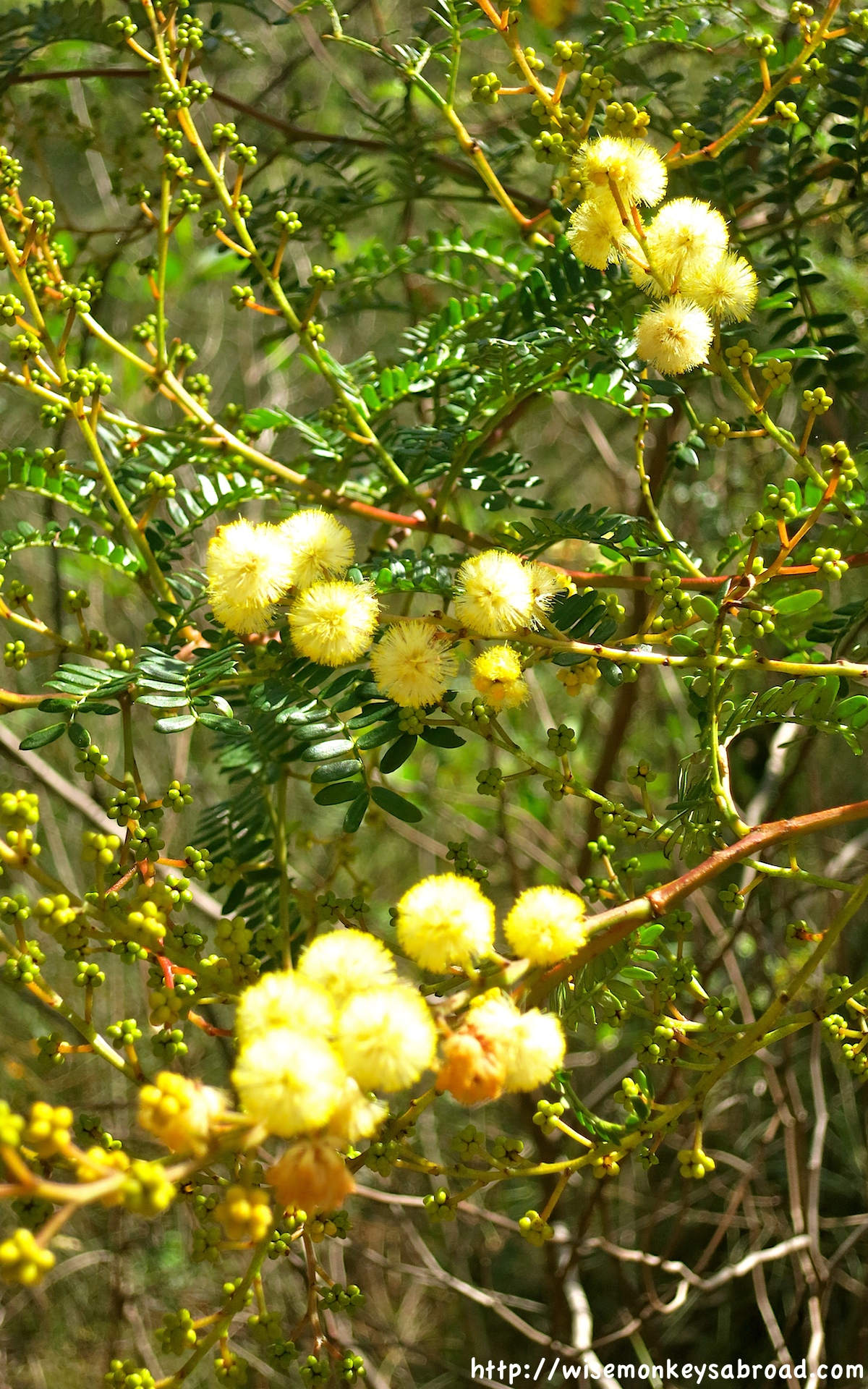


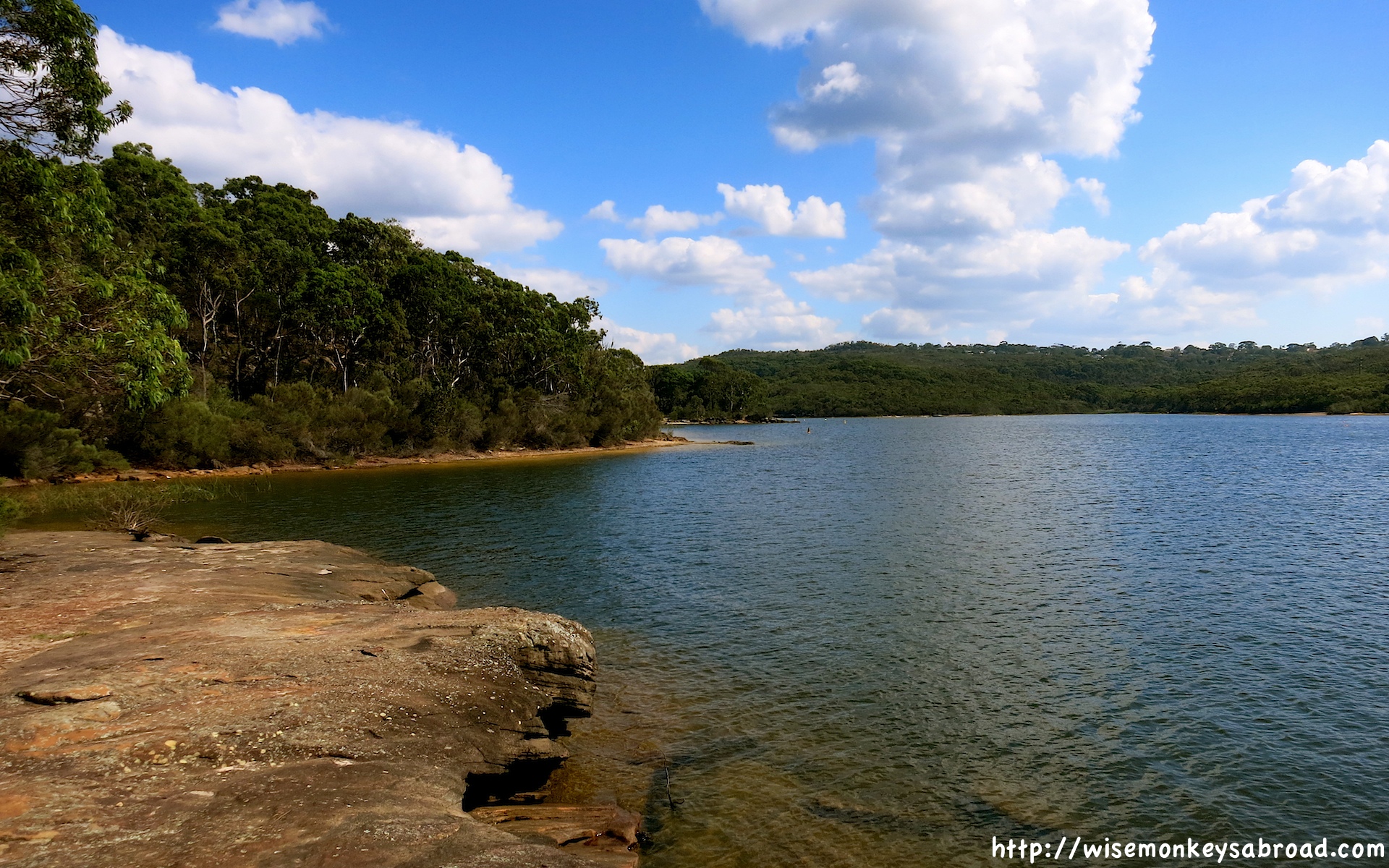


Manly Dam circuit walk is about 7.3 km which took us about 3 hours as the terrain varies quite significantly. Manly is approximately 17 km north of Sydney. There are plenty of picnic areas, areas for swimming, bike and walking tracks.
Share this:

weekly photo challenge: threes
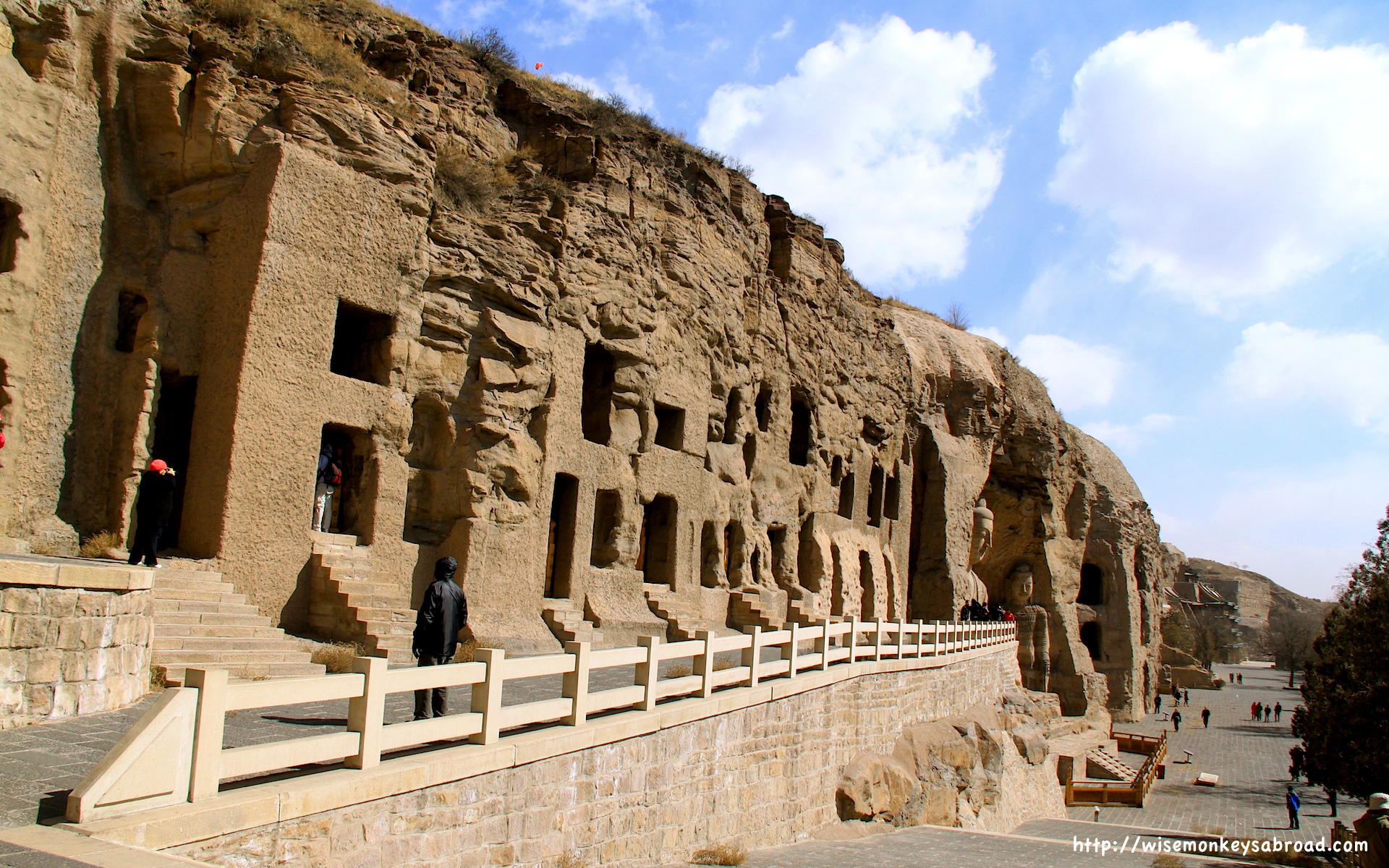
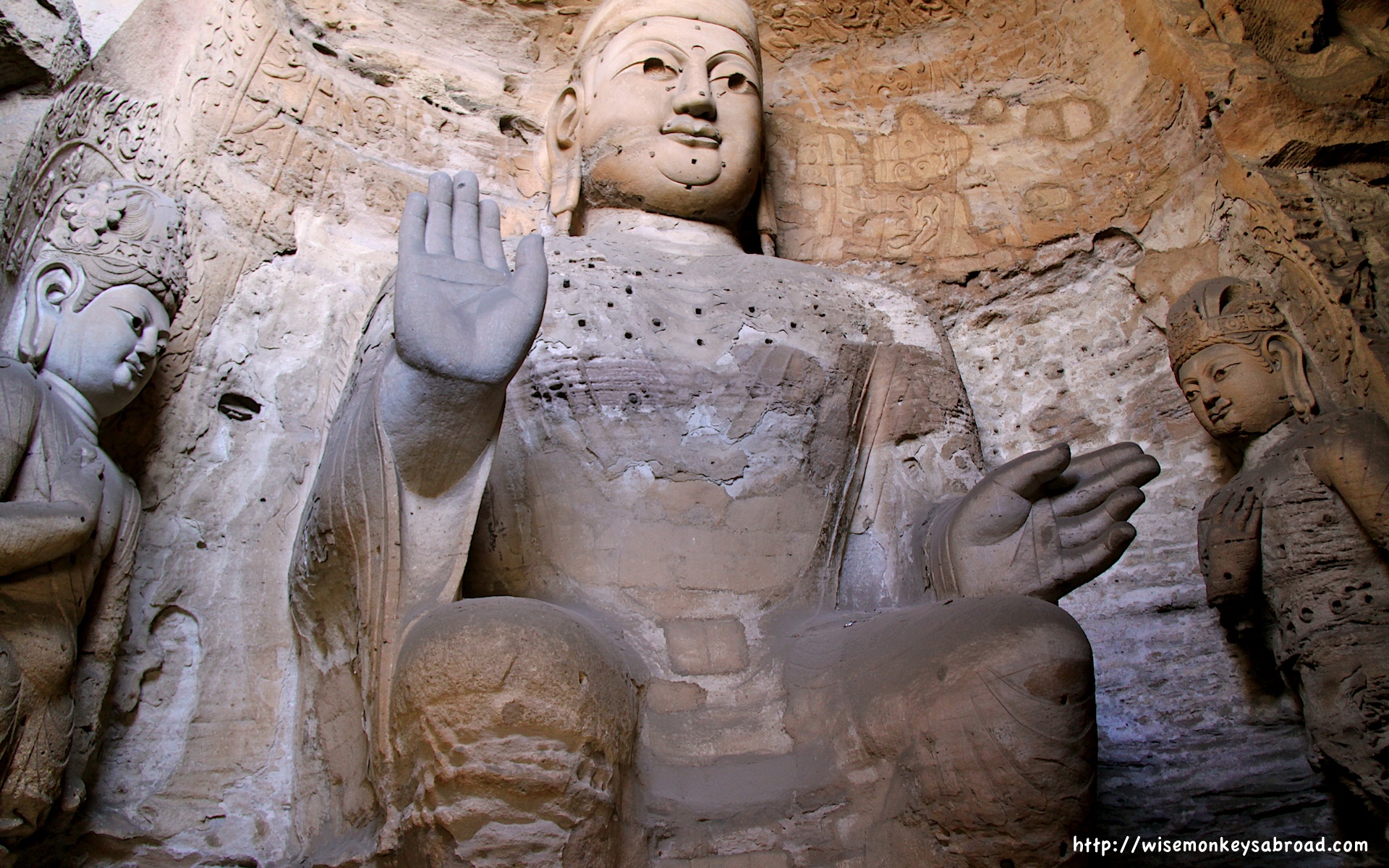
We learnt about the 3-picture story this week from The Daily Post and that turns out to be the theme for the photo challenge.
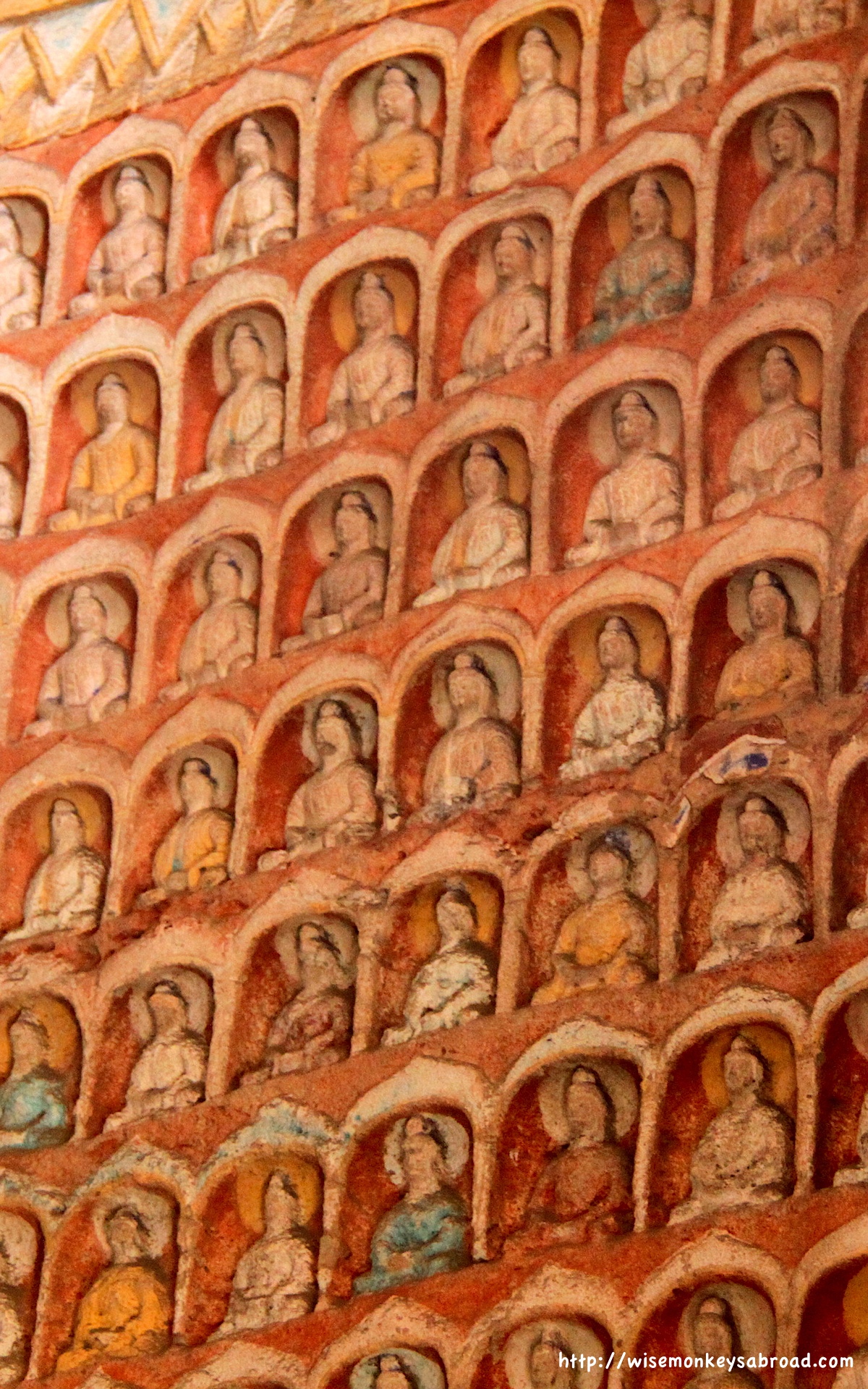
This photo story is from our visit to the Yungang Grottoes in China.

 wise monkeys abroad