
Architecture
looking back at our visit to the colosseum
It’s been a very long time since we were in Rome. And when we are not travelling, we like to mentally and visually revisit places we have been. So this week, we pay a visit to the Colosseum. Italy was one of those places that we didn’t appreciate enough when we were there, so it is back on our list of countries to see all over again.
We remember lining up outside the Colosseum, then waiting to buy our tickets and then waiting some more for the guided tour to start. We felt like we were spectators entering a stadium to watch a football game….
Then the minute we lay our eyes on the inside of the Colosseum, we are transformed back thousands of years. We ignore what is really there, we cannot help but picture a stadium of roaring Romans. We can hear cheering and booing. We can see gladiators… well, we actually visualise Russell Crowe and his entourage from the movie *cringe that Hollywood has brainwashed us* 😉
Actually out of all of Rome’s iconic sites, the Colosseum is probably our favourite. How we would love to visit it again one day!


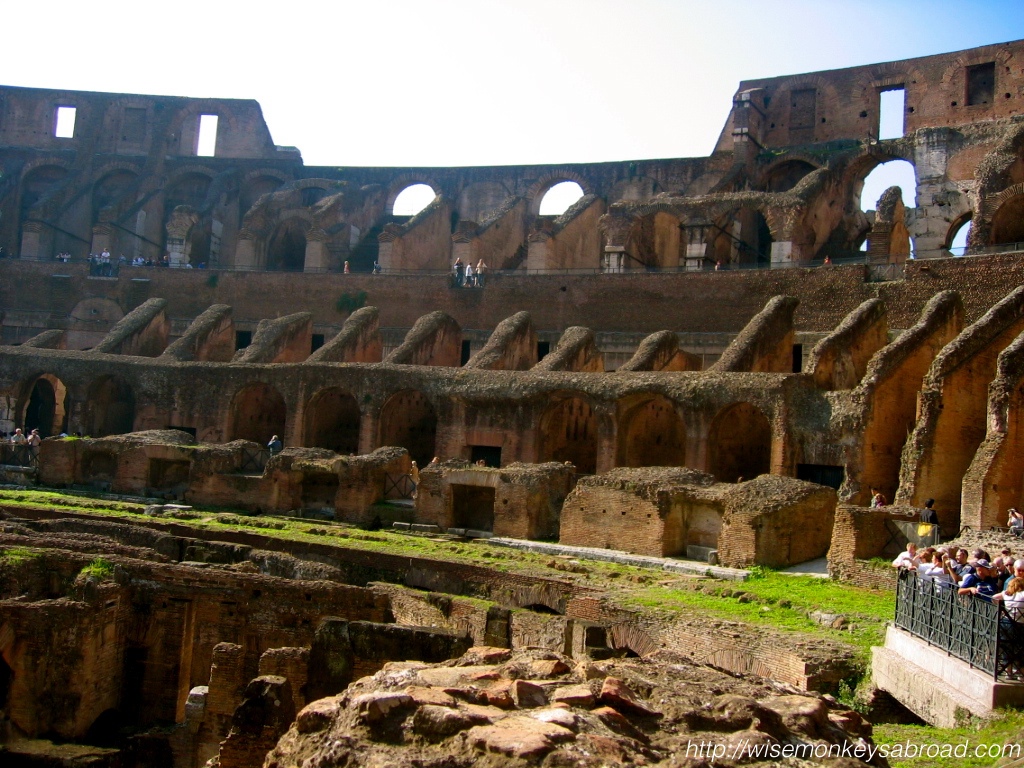

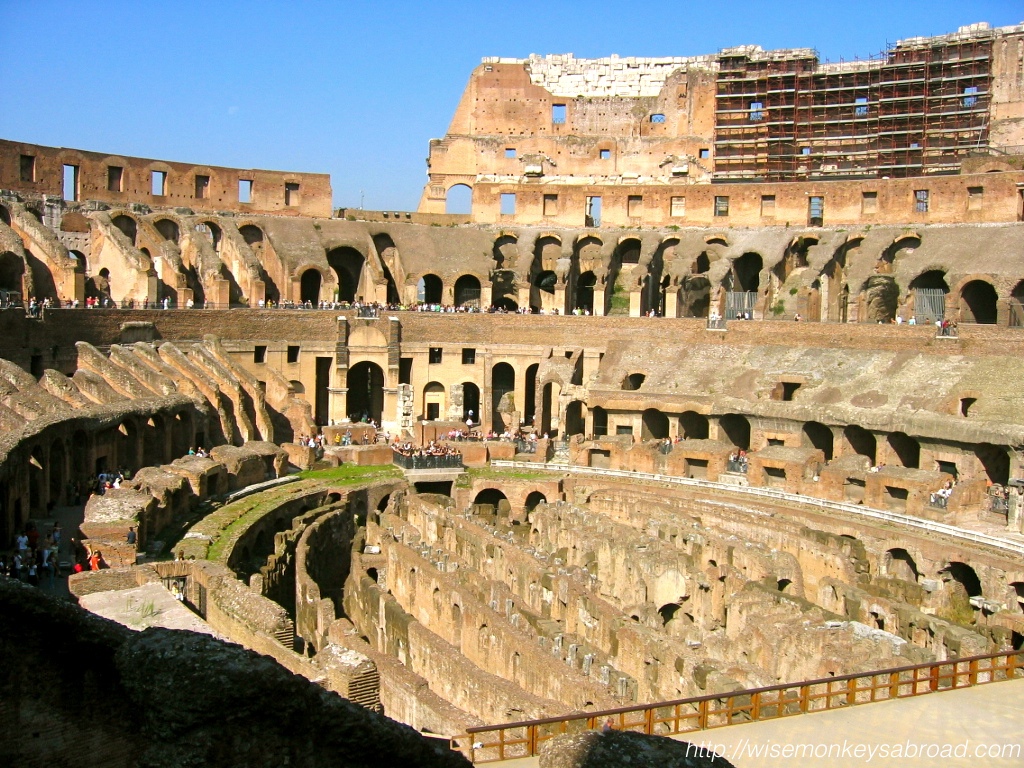
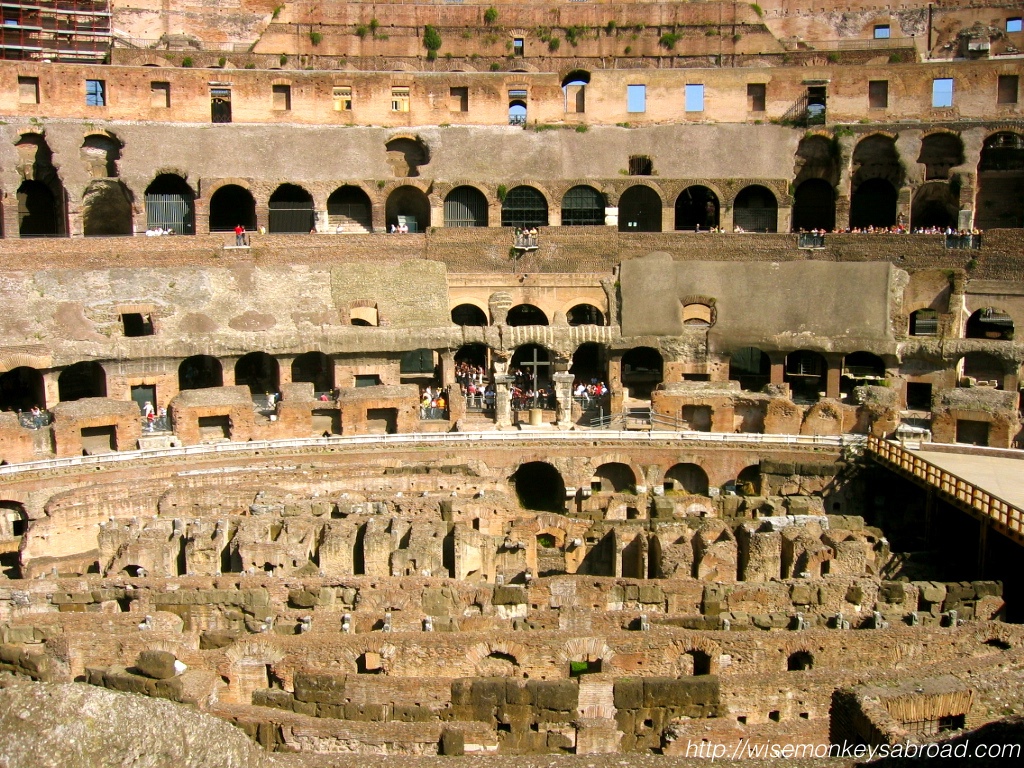


The Colosseum, as part of the Historic Centre of Rome,
was listed as a
UNESCO Heritage site in 1980.
To see the other UNESCO sites we have visited,
visit our unofficial bucket list
Have you been to the Colosseum? We’d love to hear your thoughts of it.
Share this:

watchmaking town planning: one of the unesco heritage sites in switzerland
Switzerland is famous for a few things; cheese, chocolate and watches! Let’s just say, we are no experts on cheese or chocolate but we certainly know how to enjoy and appreciate them. What we don’t know too much about: watch-making.
 While we were in Switzerland, we visited two neighbouring towns that are key to the Swiss watch-making industry.
La Chaux-de-Fonds and Le Locle exist because of watches and they owe it probably to some clever town planning from the 19th Century.

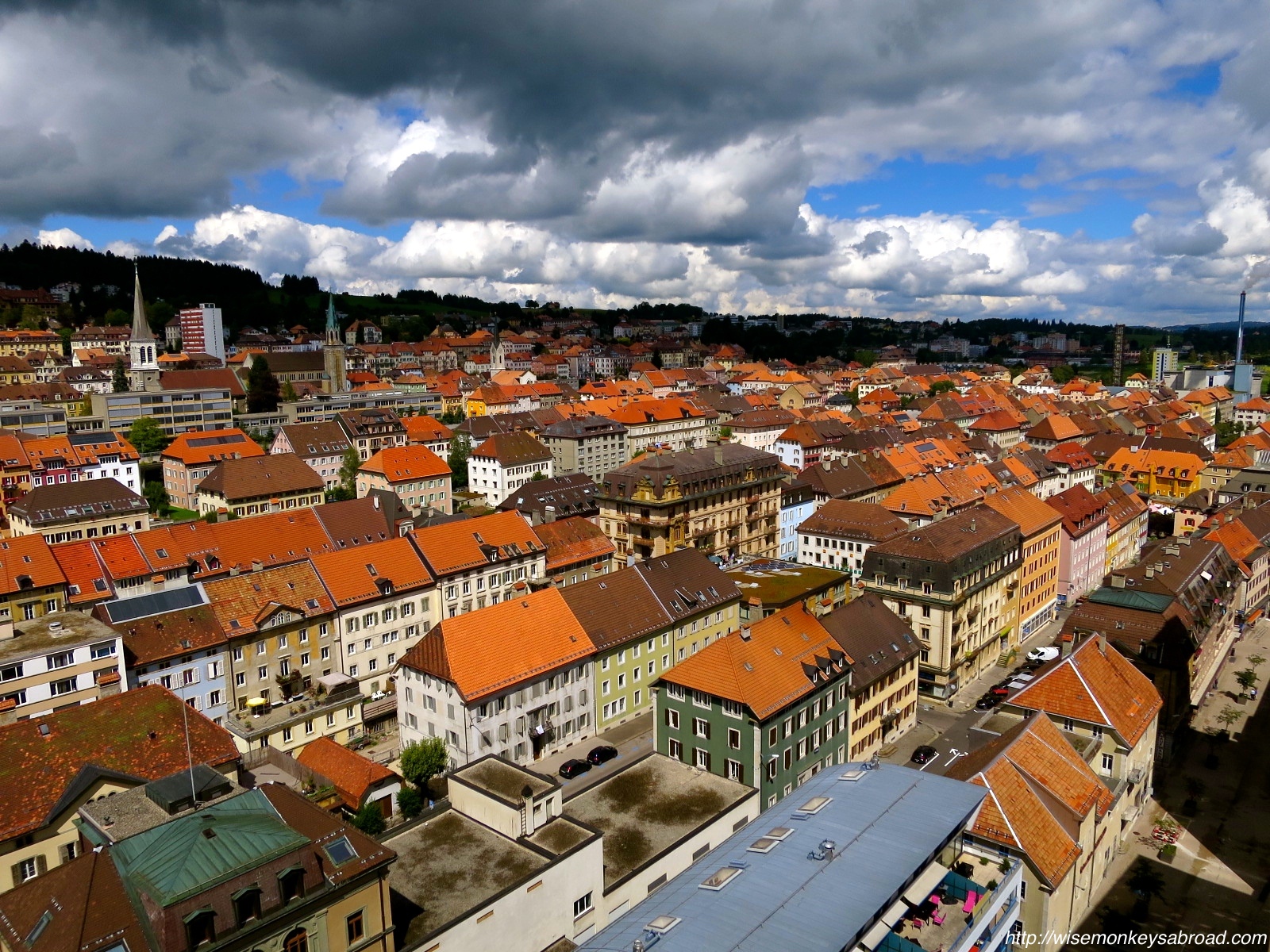
Up in the Espacite Tower (which the locals deem an eye-sore – it is rather out of place), we get an almost 360-degree view over the Old Town of La Chaux-de-Fonds and what we see resembles almost a life-sized Lego town (or a row of houses on a Monopoly board). This is how architects turned the art of watch-making into an industry.
The buildings are neatly lined up in parallel rows in a grid formation with wide streets between each row. If you look carefully, there are unusually a lot of windows on the sides of the buildings, spaced quite closely together.
And what was the purpose for this design?
To allow maximum natural light to flood through the windows, especially into the top floors of the buildings so watch-makers could work with the tiny mechanics of watches. Light is of the essence here!
Each building would have watch-makers who specialise in a particular component of the watch and when the part was assembled, there would be young runners that would take that part to the next appropriate building for the subsequent part to be assembled/added. This process continued until the watch was complete.

And why the wider streets?
During winter, being 1000 metres up in the Jura mountains, it snowed a lot. To ensure the continuity of watch manufacturing, historically, the streets needed to be manually shovelled so that the runners could continue to access all the buildings.

After exploring the town of La Chaux-de-Fonds, we had the time (no pun intended) to visit Le Locle Watchmaking Museum, which is in Chateau des Monts. The museum has on display an extraordinary collection of clocks, mechanics and exhibits of the art and science of time, in particular, time-keeping!
The collection was so extensive, we were just in awe. To see all the different devices from around the world through history that essentially do what our wristwatches do every second, every minute of every day. We surprised ourselves with how fascinated we found time-keeping, we even wanted to buy a grandfather clock for our apartment 🙂 .


After this unique visit to the two towns, we certainly will be looking at clocks and watches in a different light. This is one of the reasons we love travelling so much, it is these types of places that we get to visit that enlightens us, resulting in us having a greater appreciation for the little things in life we sometimes take for granted.
La Chaux-de-Fonds/Le Locle, watchmaking town
planning was listed as a
UNESCO Heritage site in 2009.
To see the other UNESCO sites we have visited,
visit our unofficial bucket list
Your comments are always welcomed.
Share this:

a peek at eight chateaux of the loire valley
For a few days, we were walking through the same hallways that Leonardo da Vinci did during the last few years of his life. We also walked where Catherine de Medici did and where other French kings and nobility had walked.
We were in the Loire Valley of France and felt like we had been transported back several hundred years. It was time to explore the châteaux and castles of the region. But when there are approximately 300 of them, 100 or so of which we can actually visit – how do we choose which ones to go to?
So we decided to choose based on their exterior. Yes, we know we shouldn’t judge a book by its cover but we did! Because when we sought guidance by asking those working in the travel industry in Tours which were their favourites (to help us narrow it down), they all responded the same.
“It’s too hard to choose. Each one is beautiful in their own way!”
Which was clearly not helpful to us at all.
To start with, we thought they only said that because they were being diplomatic and didn’t want to influence which ones we saw. After seeing 8 of the chateaux– we realized we couldn’t choose which one was our favourite either! Each was so architecturally different, with different interiors, gorgeous gardens or unique histories that enchanted us.
Here are a few sneak peek photos of the 8 we saw.
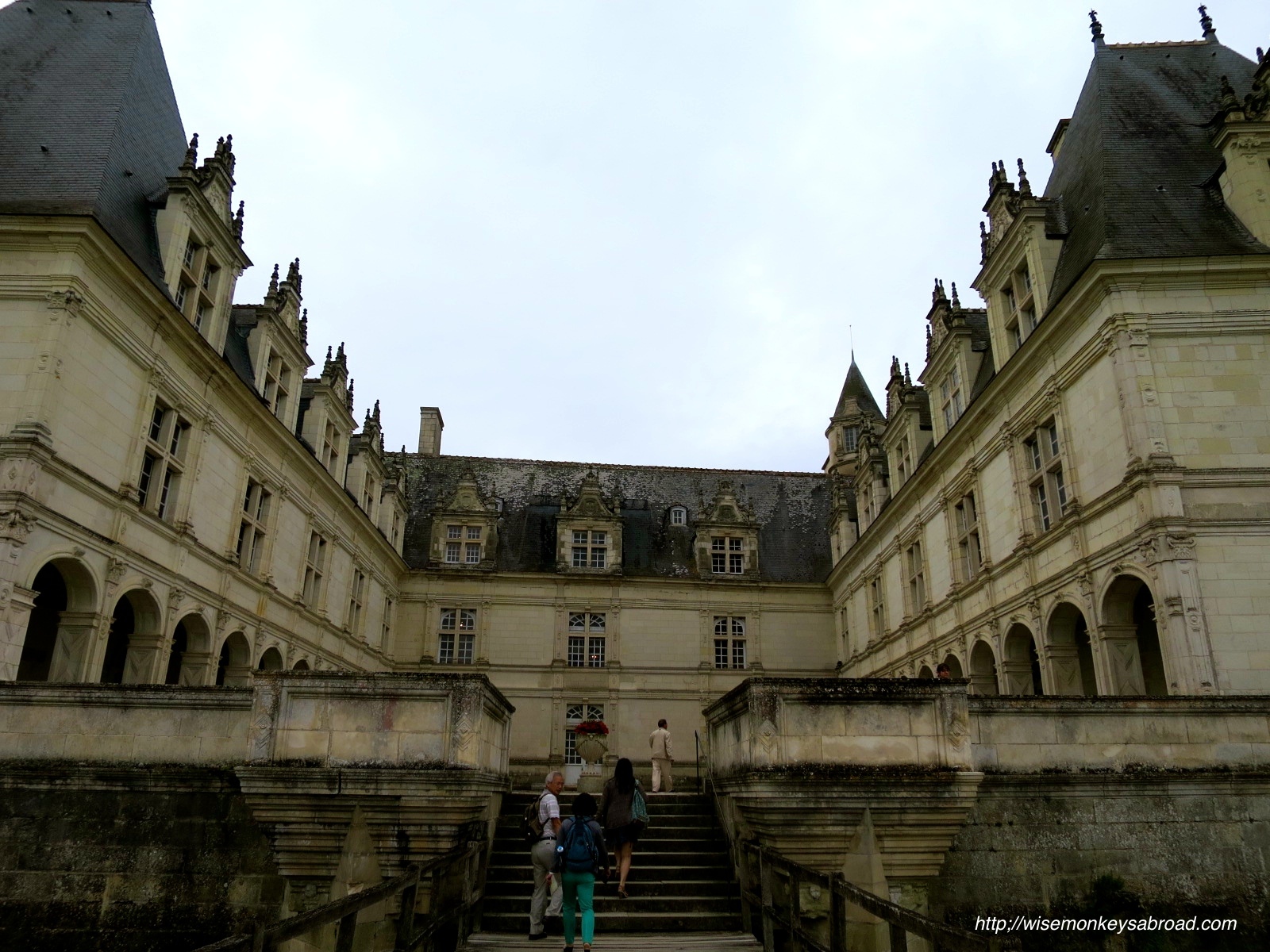
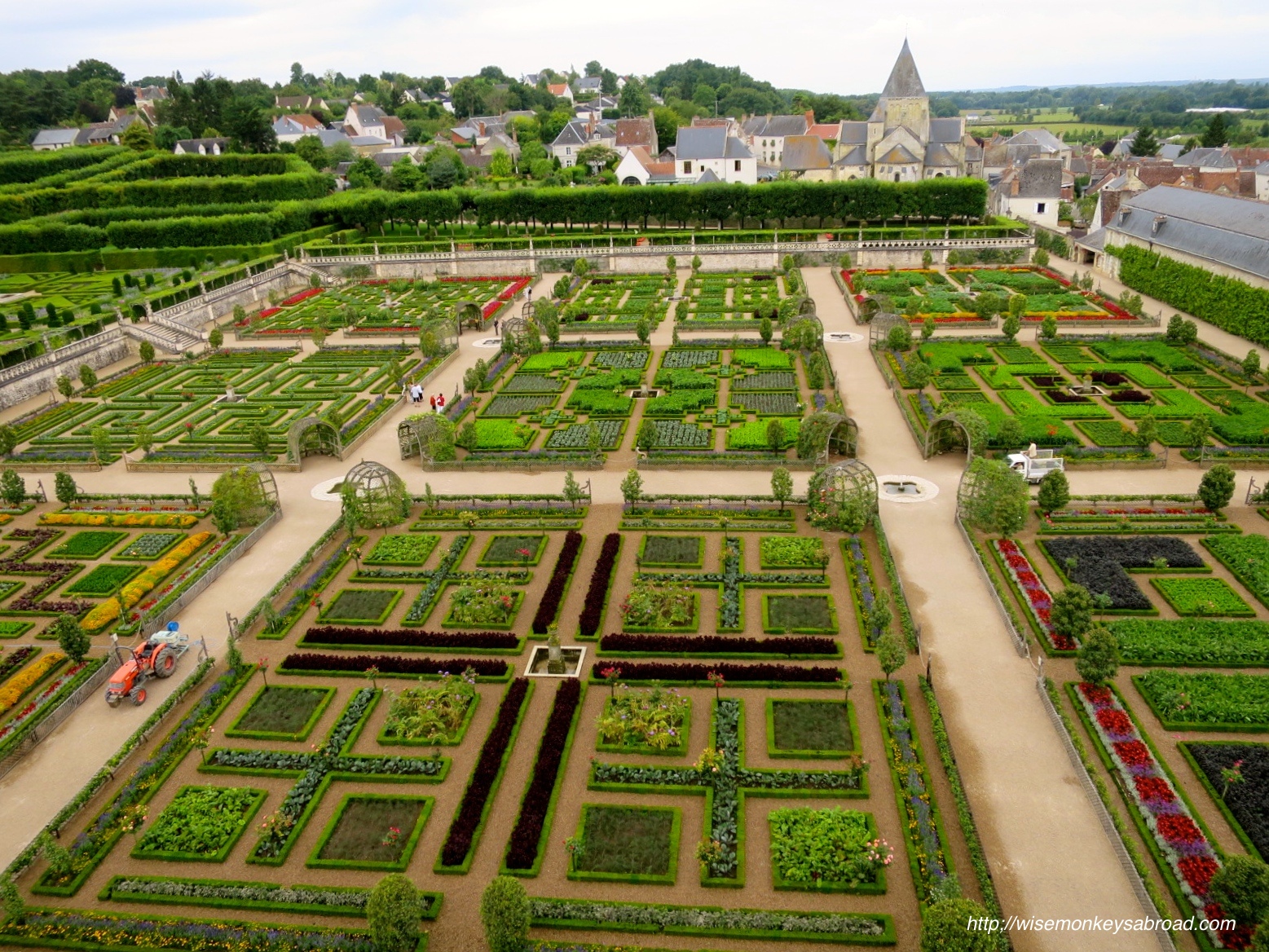
Villandry
The last of the great château built during the Renaissance. This estate has a magnificently manicured garden, fitted out with a vegetable and herb garden as well. This one is probably best explored on a lovely day.
Azay-le-Rideau
It was owned by the financier to King Francois I. He initially acquired the fortress in the early 1500s before building the luxurious château.


Chambord
The biggest of all in the Loire Valley – it was intended to be a hunting lodge for Francois I but he only spent about 72 days there. The grounds are so vast, it is enclosed with a 32 km wall.


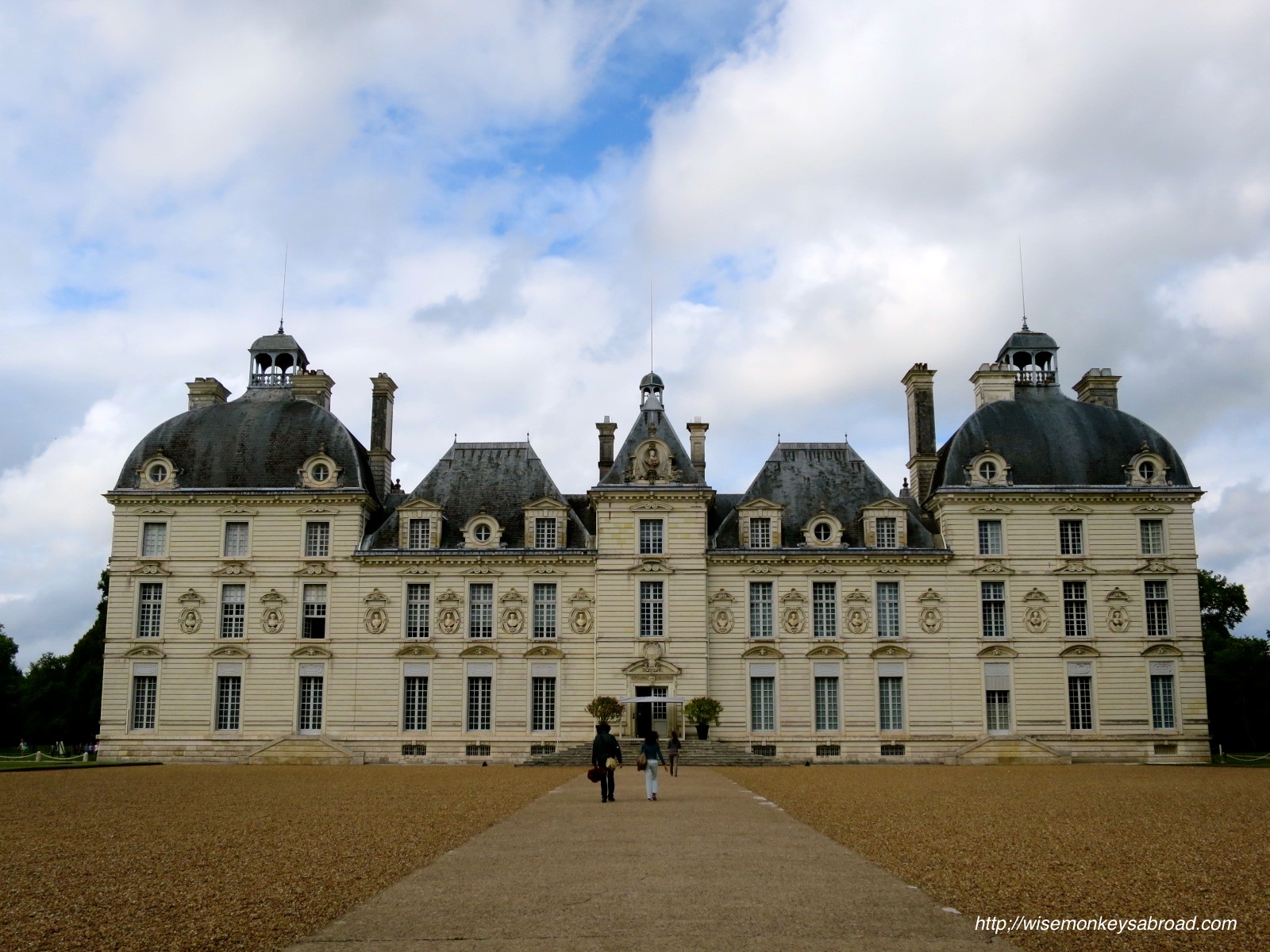
Cheverny
It is currently inhabited by the descendants of the Huraults Family. It has been owned by the Huraults for 6 centuries. It is still used for hunting parties and has kennels with about a hundred French Hounds which are fed at 5pm – it is rather entertaining to watch.
There may be a chance you recognise this château from Tintin?

Clos Lucé
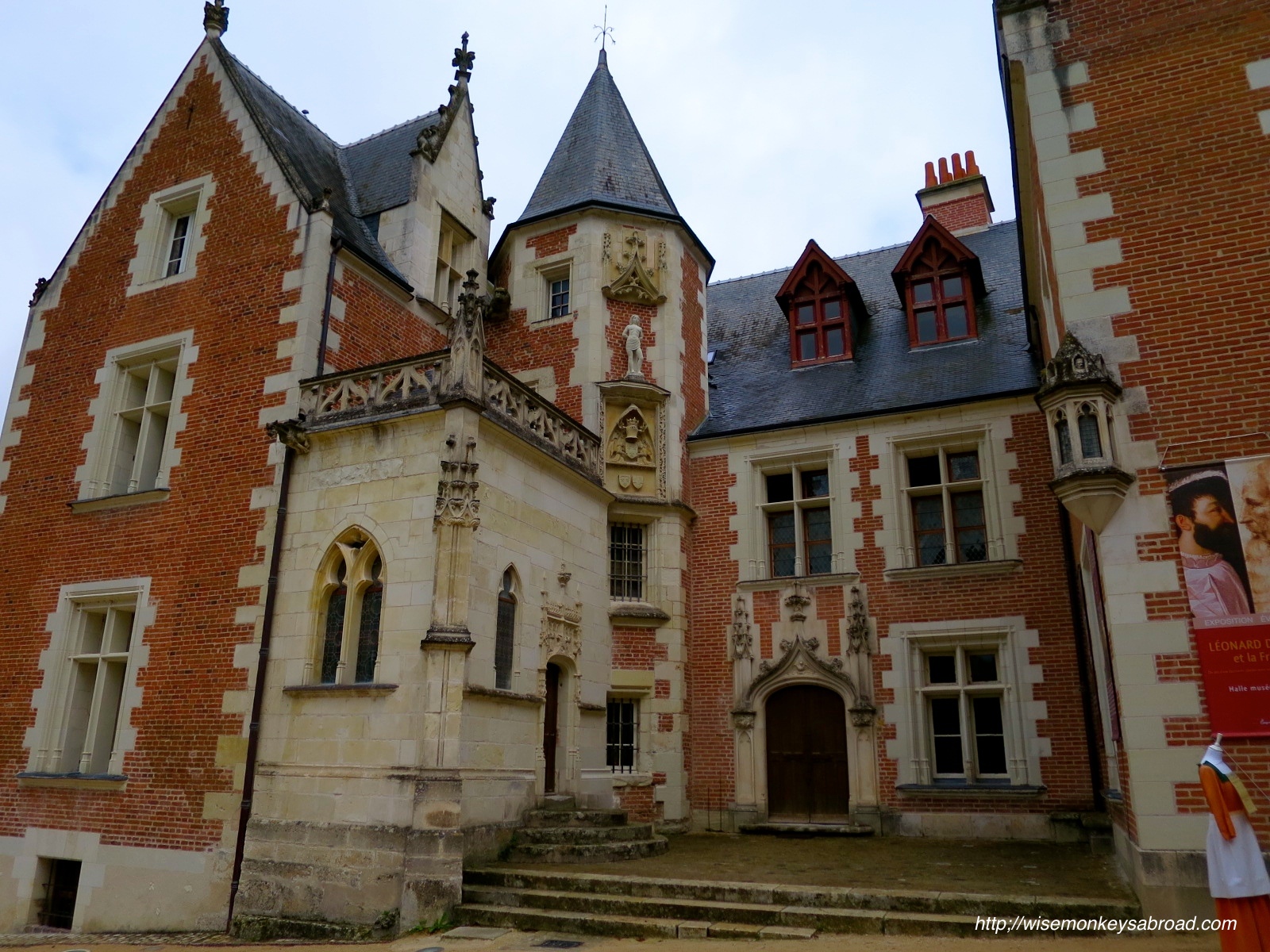
Leonardo da Vinci spent his last few years in this château at the invitation of Francois I. This was an interesting château as we really got an insight into the rather profound thoughts behind da Vinci’s inventions.
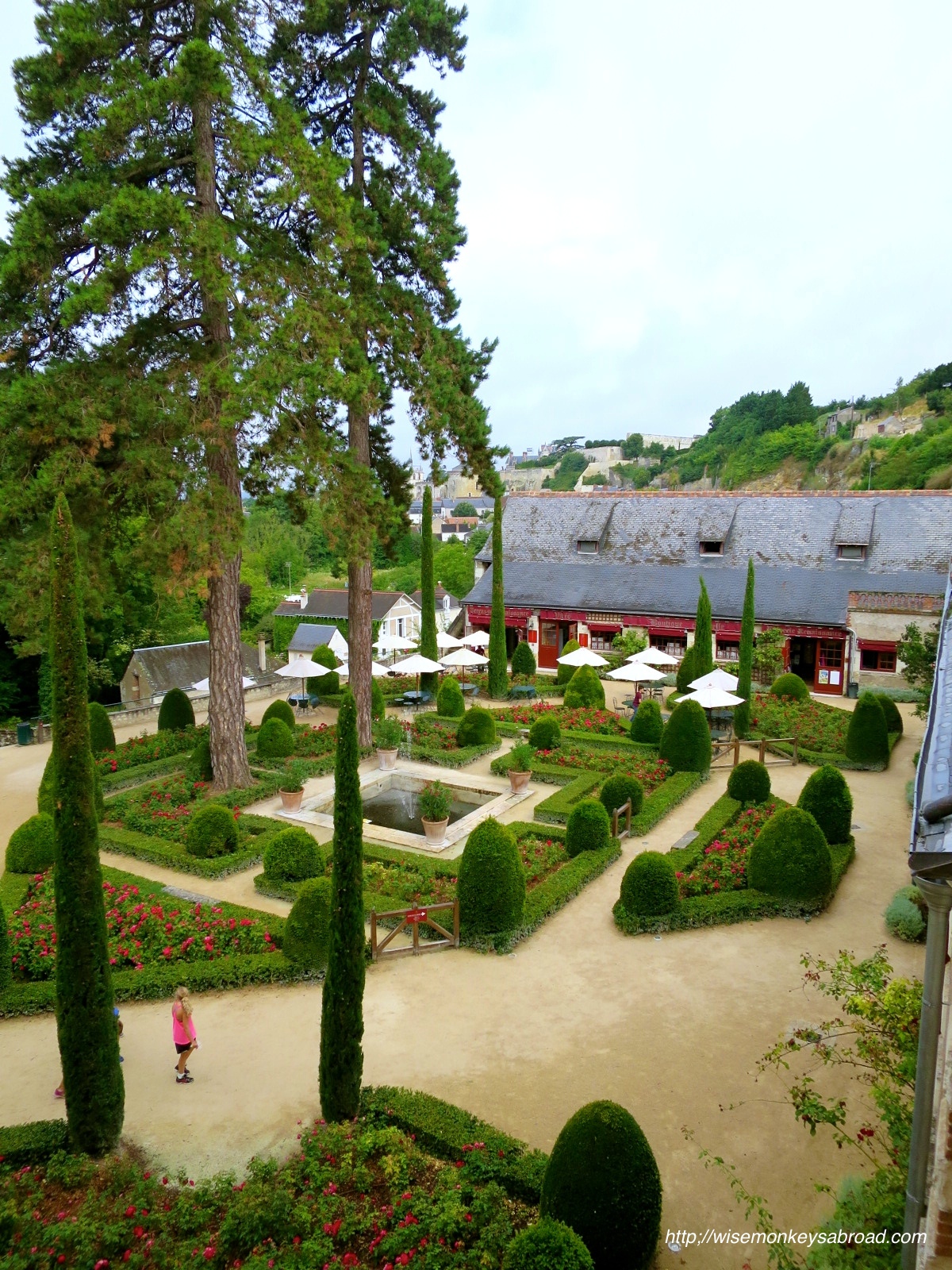
Amboise
This was a place to live and stay for royalty but also had a wonderful view of the Loire Valley. It was a symbol of the King’s power and economic status.
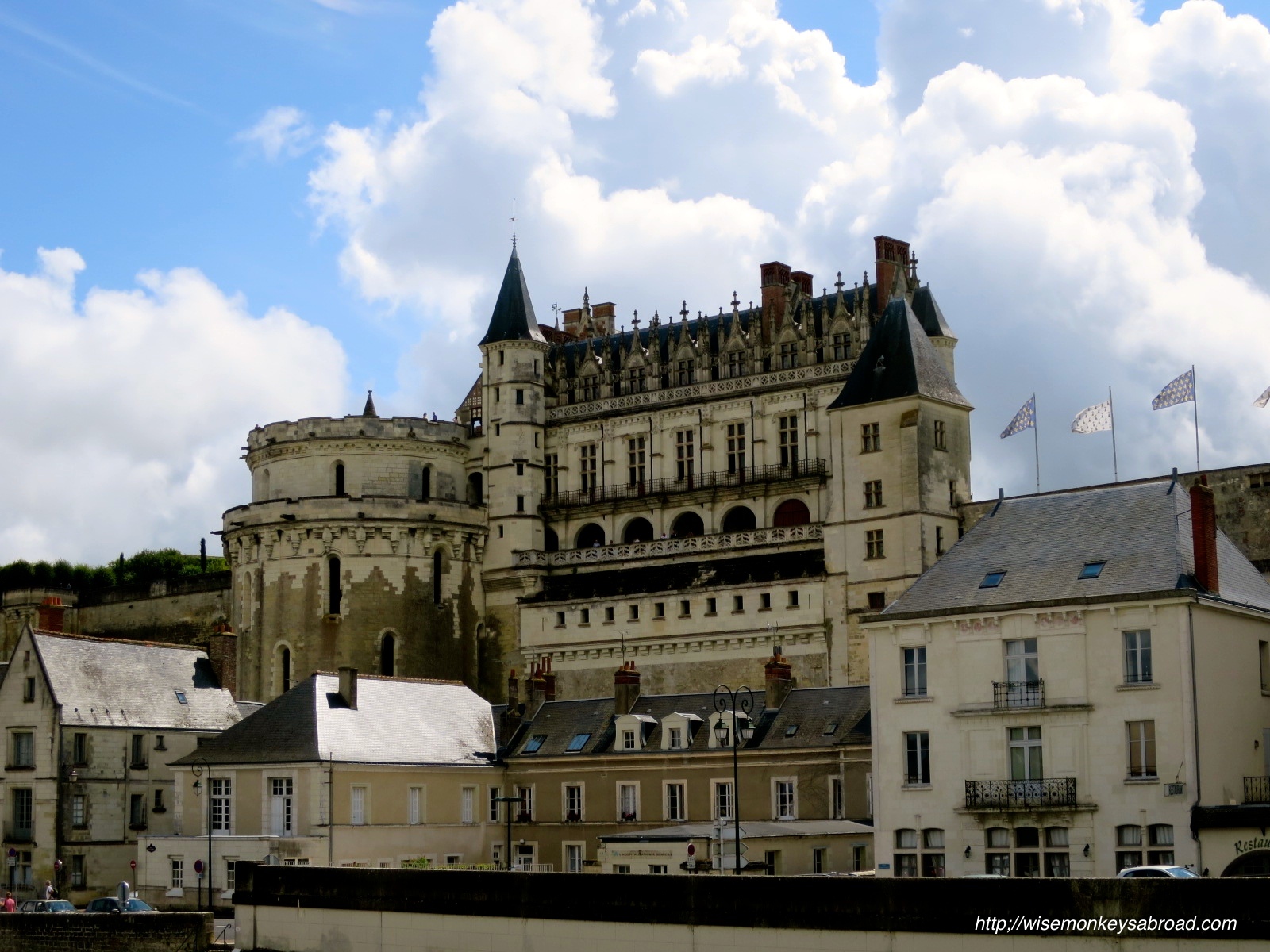

Chenonceau
Possibly one of the most recognised château of the region – it was built over the River Cher. This is another estate with beautiful gardens. King Henri II gifted his mistress Diane de Poitiers with the château. His wife, Catherine de Medici removed Diane and in exchange gave her Chaumont.


Chaumont
This château was likely used as a hunting ground. It has a remarkable garden and each year hosts an International Garden Festival. It has well-preserved horse stables which houses one of the finest gala saddleries in France.
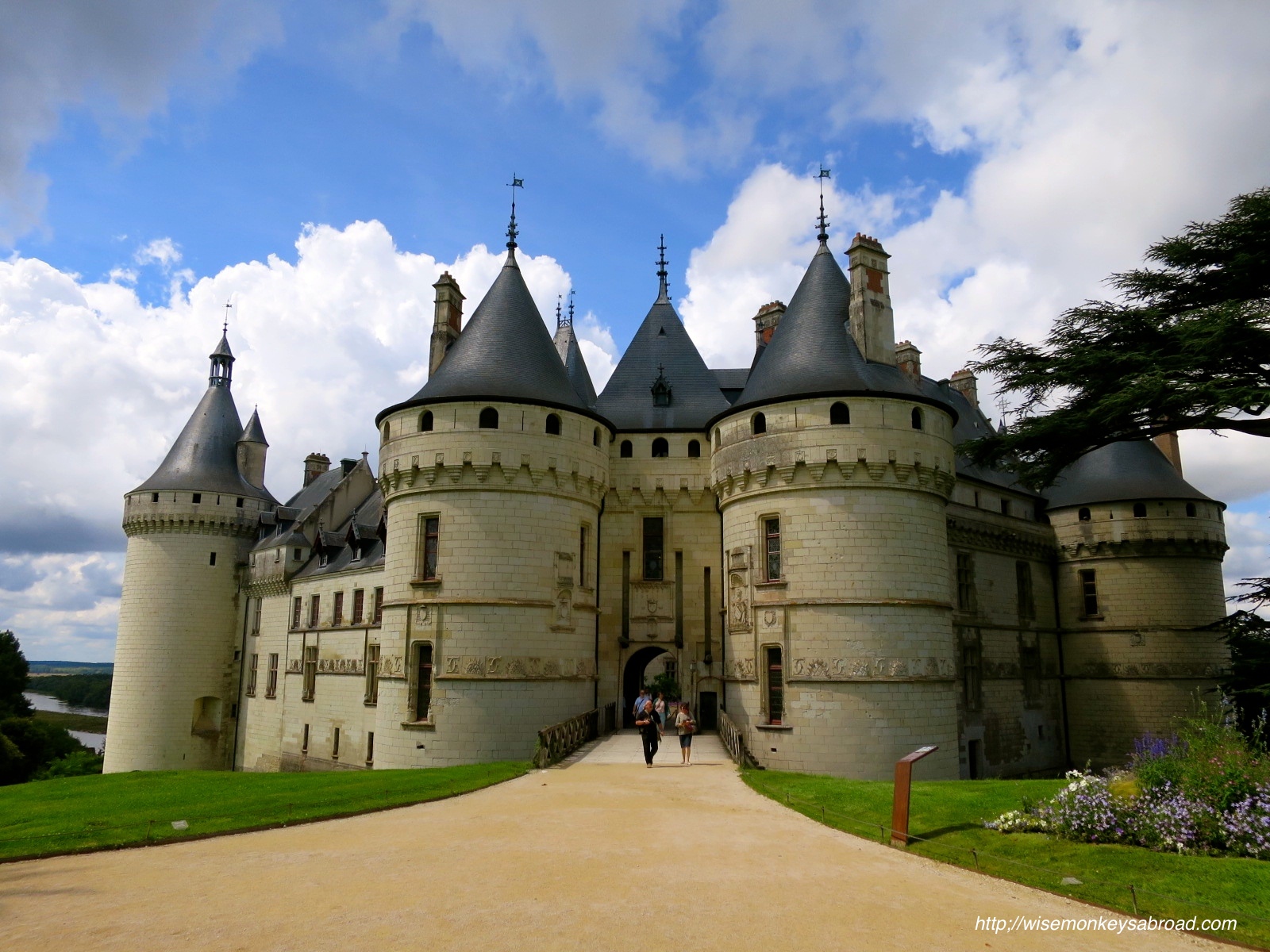

Based on just the exteriors, which ones do you like the look of?
If you have visited the region, which was your favourite and why?
Tell us your thoughts here
Share this:

weekend walks: the doors of old tallinn
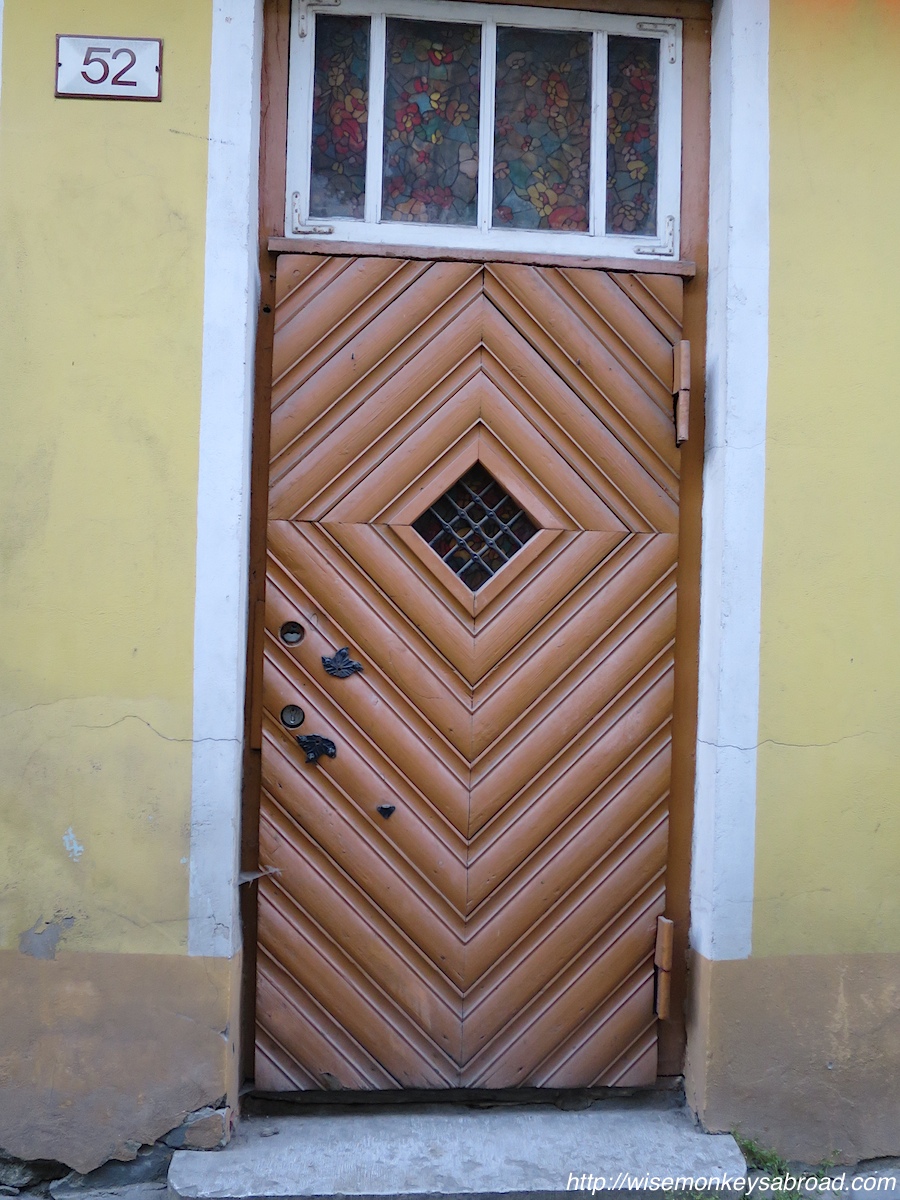
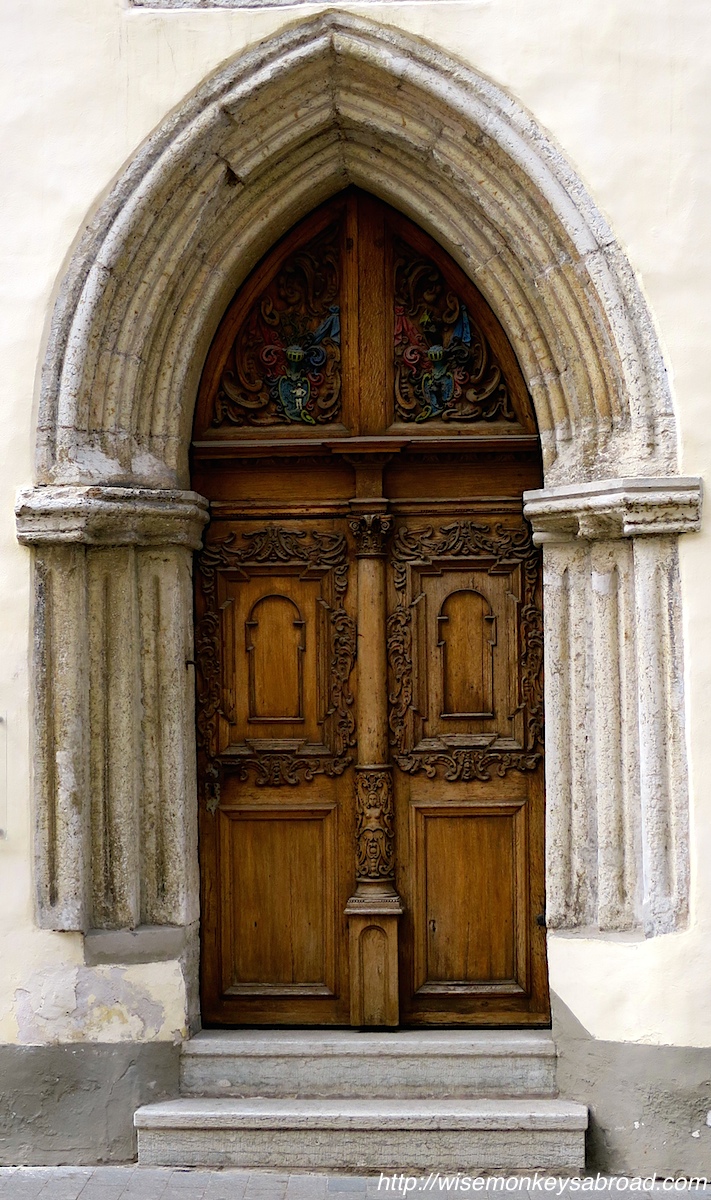
The old town in Tallinn is such a charming medieval town, dating back as early as the 13th Century. The cobbled streets of the town weaves into lane ways and courtyards. Each corner you turn, there is something fascinating to see.
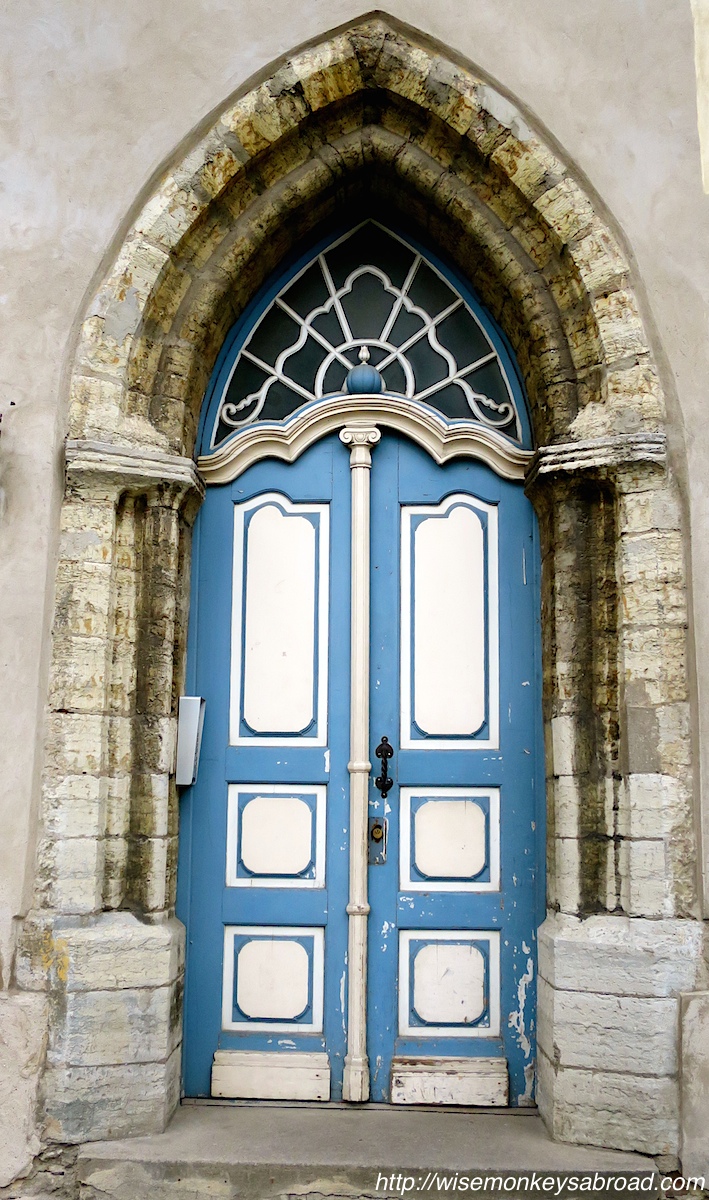
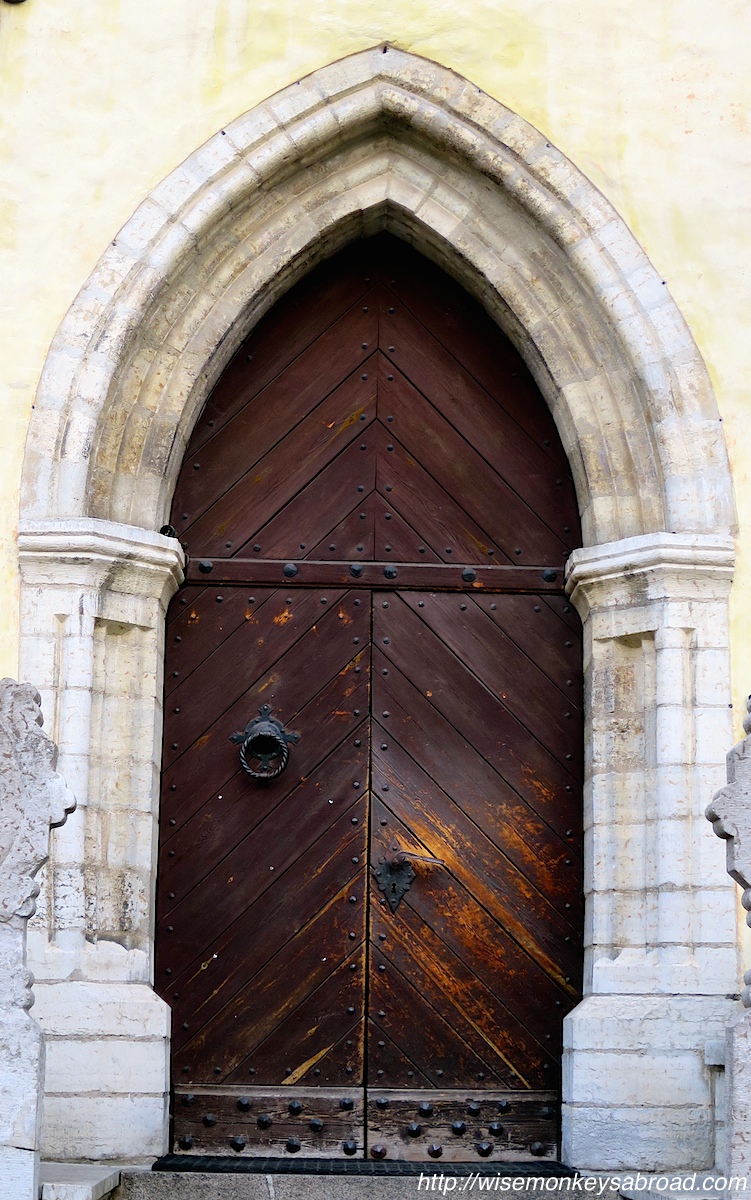
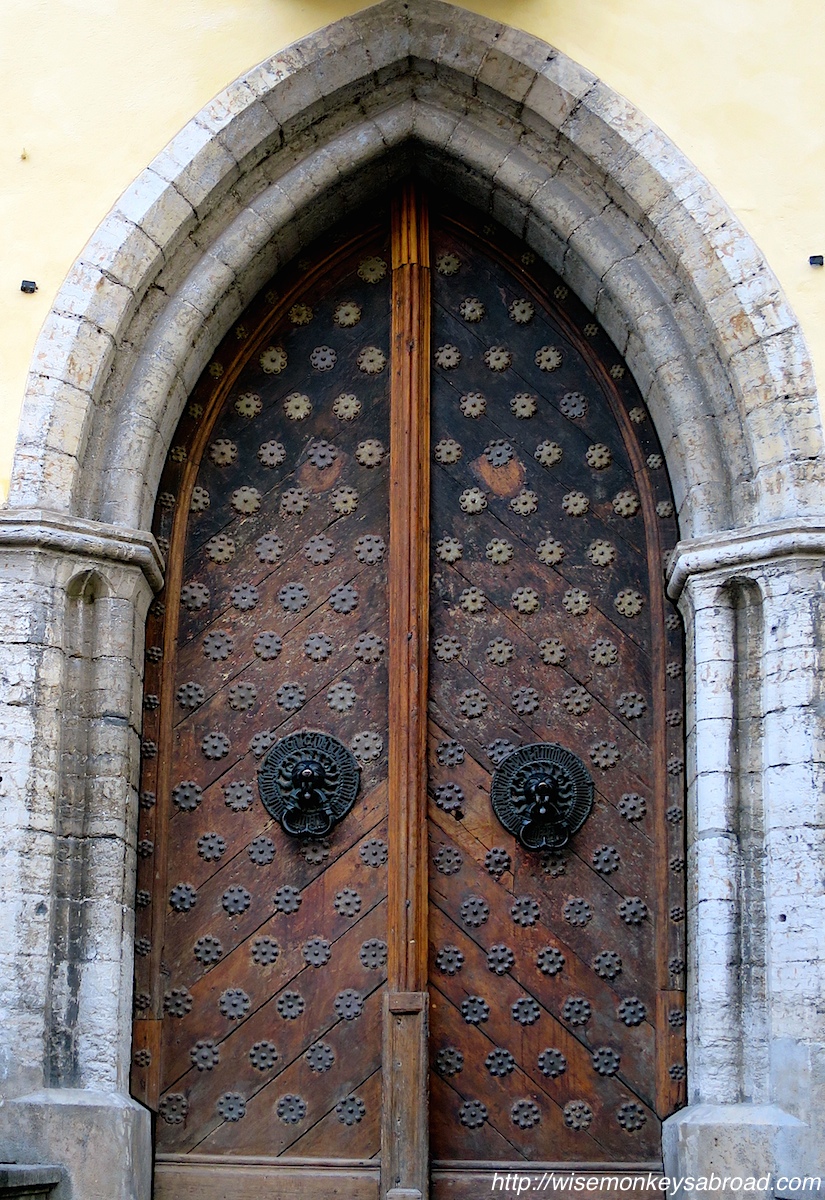
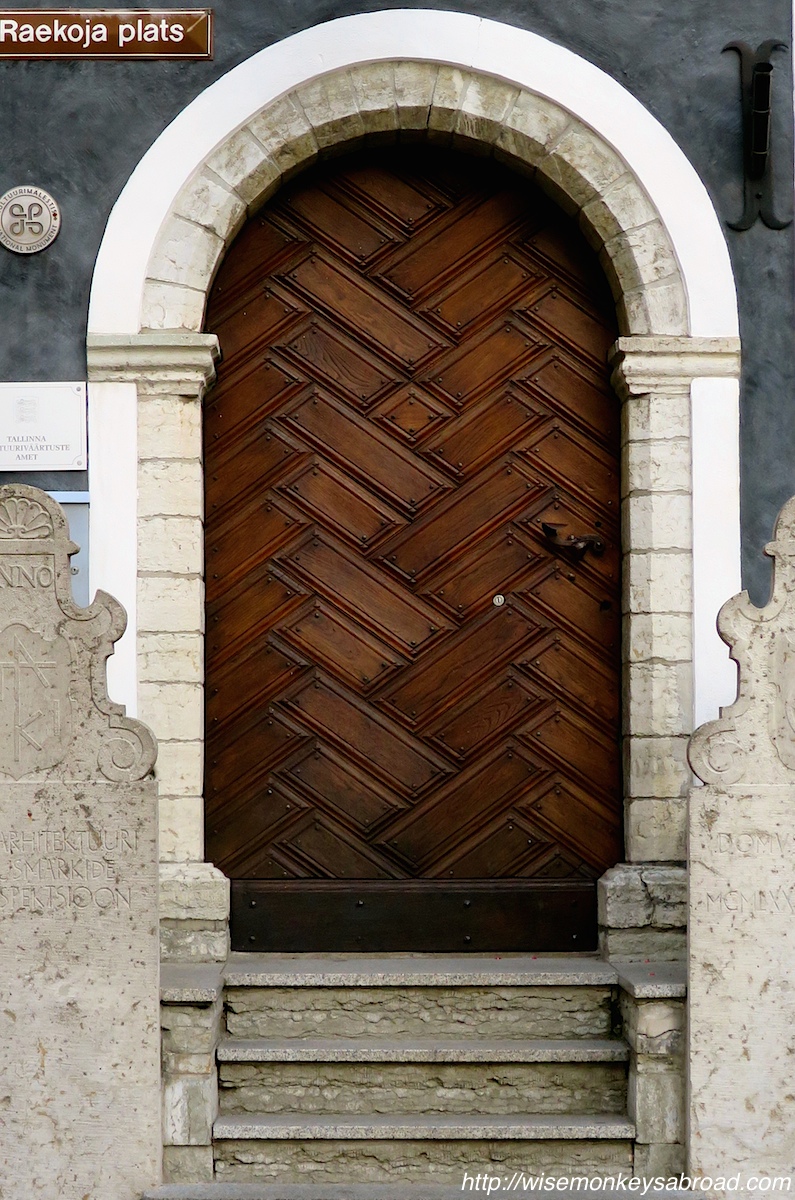
We walked through the streets of the old town for a couple of hours and stumbled across so many churches and merchant houses. But what intrigued us were the doors; each one so unique! The old town simply has so much character. Even the doors have so much character! Here is a selection of the different and interesting doors we came across.
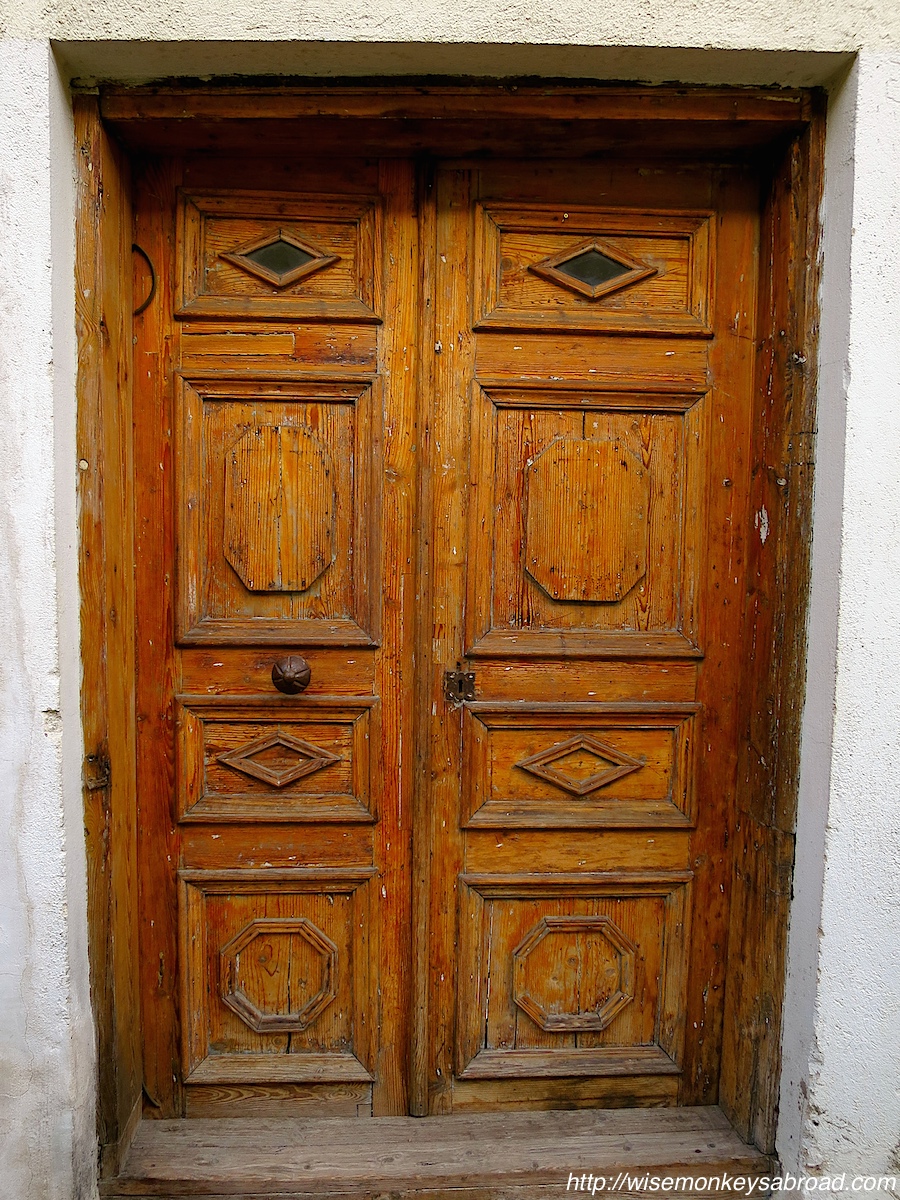






For more of our photos of Tallinn, visit our Facebook album.
Share this:

- ← Previous
- 1
- 2
- 3
- Next →
 wise monkeys abroad