
unesco
weekly photo challenge: gone but not forgotten
Hiroshima Peace Memorial Park is dedicated to the first city in the world to experience a nuclear attack.
As with all memorials, it serves as a reminder. Although all those lives are gone, they are not forgotten. The war is also gone, but will not be forgotten.
Towards the centre of the park is a monument that holds the names of all the people killed by the bomb.
The monument is aligned in such a way that when we look through the arch, we see the Peace Flame and theHiroshima Peace Memorial (i.e. Genbaku Dome or A-Bomb Dome).
The dome marks where the first atomic bomb exploded on the morning of August 6, 1945. It is the skeleton of the actual building that was there that day. What we see is what remained and has been preserved.

See the Weekly Photo Challenge for other bloggers’ interpretation of gone, but not forgotten.
Feel free to leave us any comments.
Share this:

the day we went to pamukkale
The turquoise water in the white pools of Pamukkale has always been a major drawcard for us to visit Turkey. The travertine pools and terraces always looked so magical. We knew we had to see them.

The day we visited, the temperature was well into the 30s (Celsius). The glare of the sun was blinding as it bounced of the limestone and the heat was staggering.

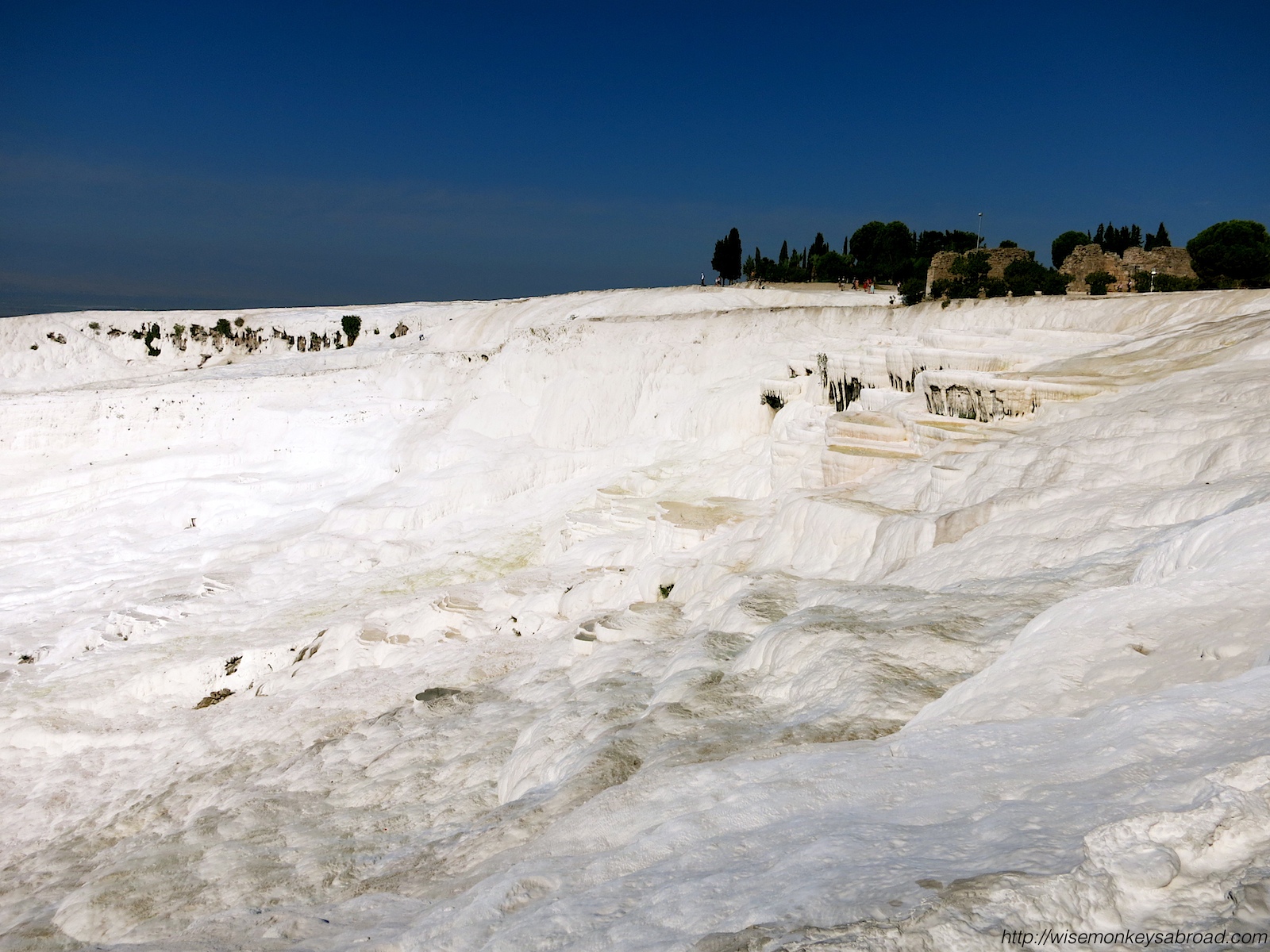
In our haste to take photos and begin exploring the site, we were not concentrating on where we were walking and both stepped into a muddy, sludgy spot along the boardwalk. We probably don’t need to describe much more because everyone should know what thongs (i.e. flip-flops) in mud equals, right? An impeding ungraceful flailing of arms to steady ourselves; Le grabbing onto David, David almost losing his balance and then so forth and so forth. A scene from a black and white Charlie Chaplin film comes straight to mind as to how we must’ve looked.
After what felt like a lifetime of erratic arm movements to steady ourselves, but probably only 20 seconds in reality, we escape the mud traps. Only to then have to walk along a wooden boardwalk with what felt like glue on the soles of our feet!
Off came the footwear as we made a beeline for the travertine pools. It was a welcome relief to be able to dip our feet.
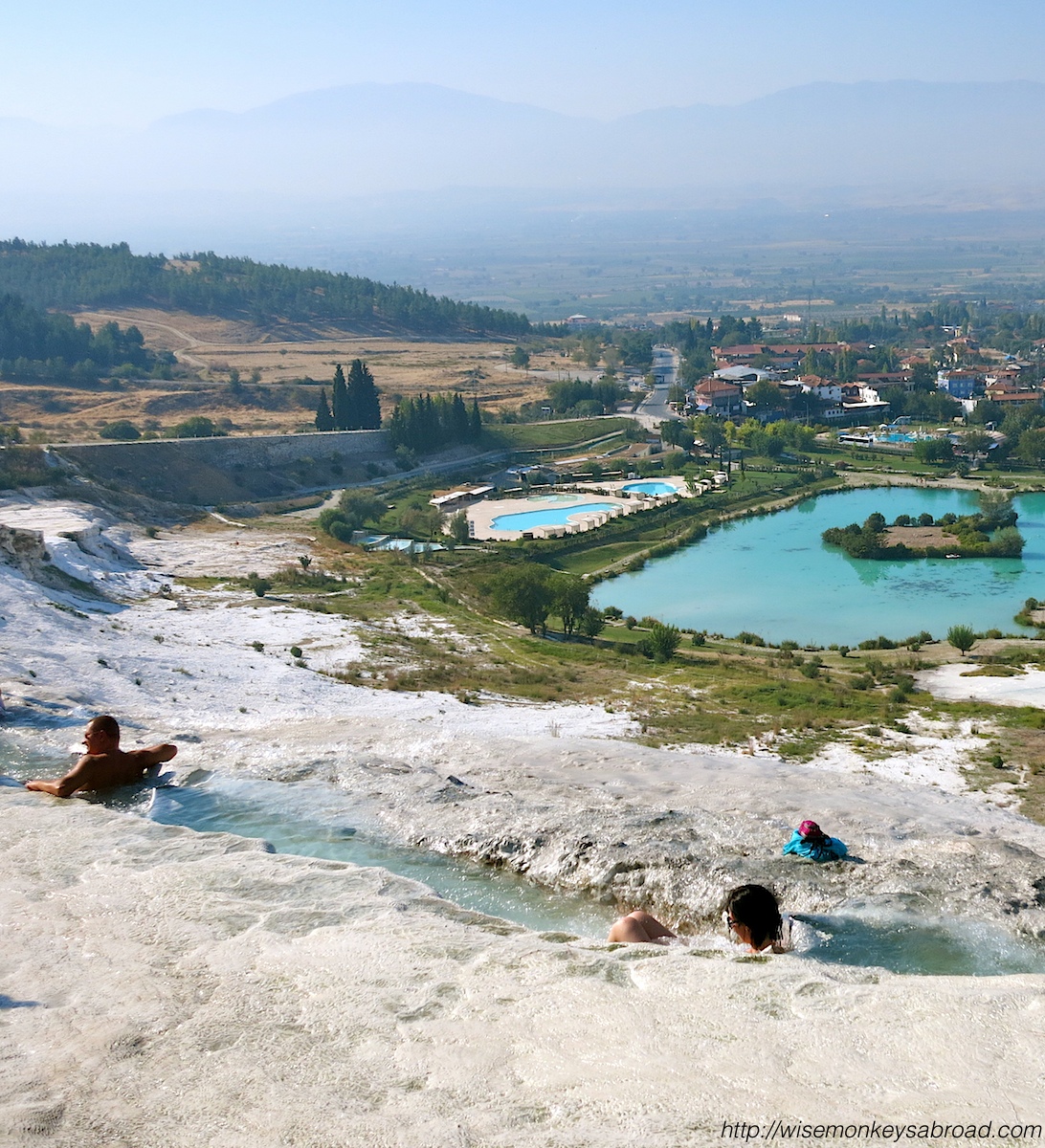

Wading through knee-deep hot spring water felt simply refreshing until we almost slip on the uneven, slimy floor of the pools. Looking around, we felt like the two most uncoordinated people on land and now in water. It didn’t bother us…. On we walked through pool after pool.
We gave up on photographing by this stage because the entire experience had become “awkward” to say the least. Us juggling our hat, sunglasses and our backpack while we tried to stay upright would just end up with our big camera going for an unwanted dip in the hot springs. It was from this experience we decided to get ourselves a really awesome compact camera for these type of situations.
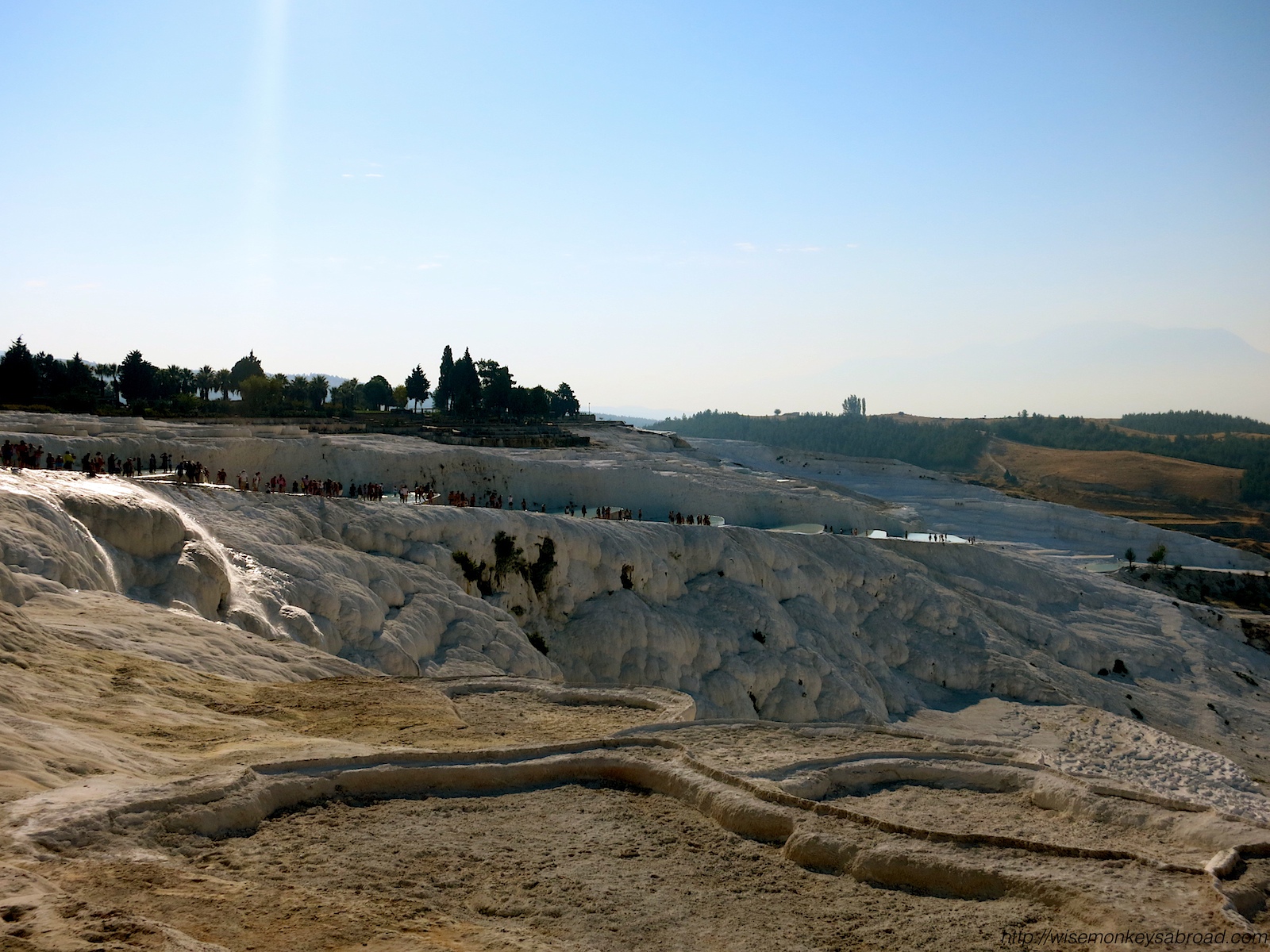

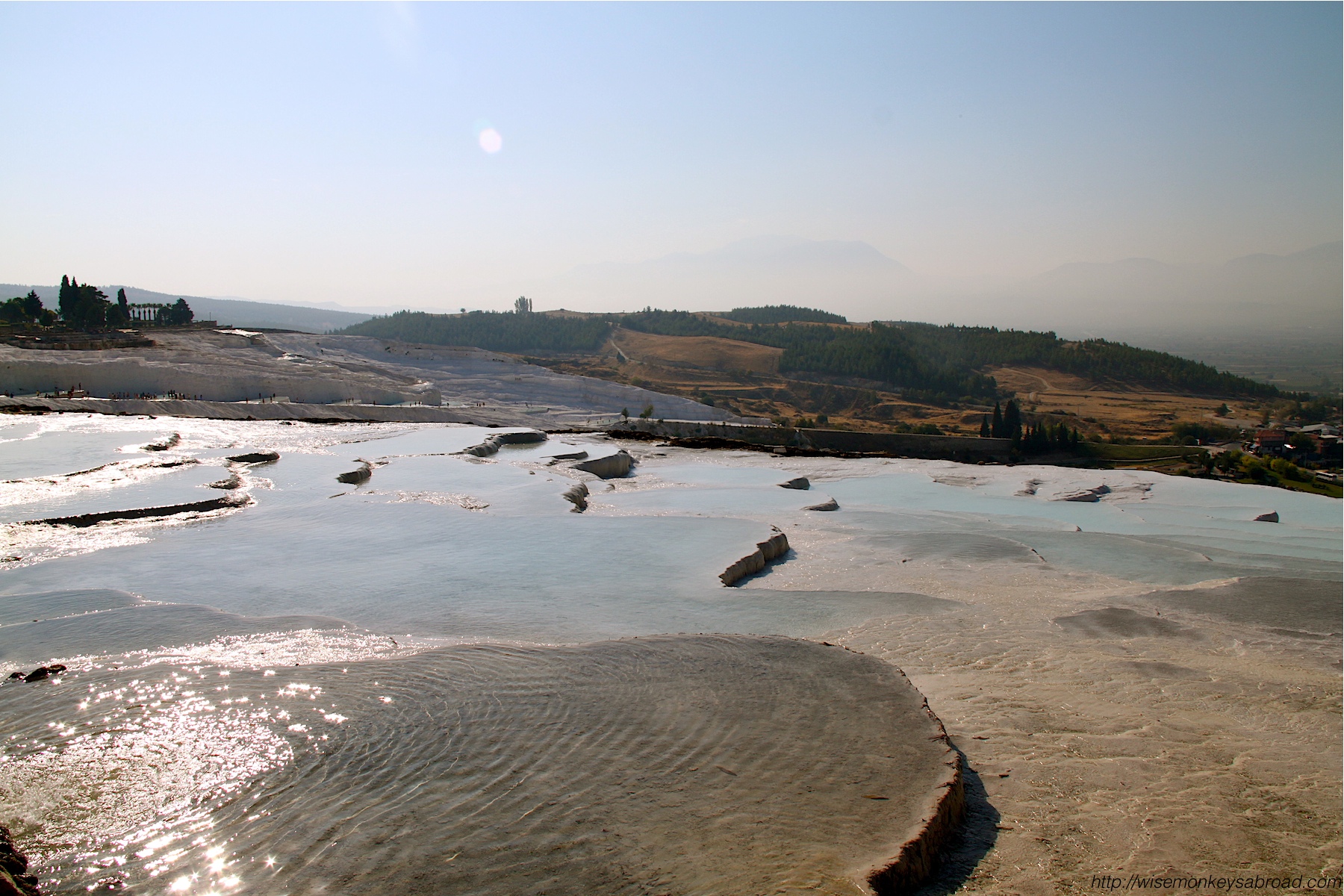

The experience was slightly less magical than we envisaged but we still enjoyed our time at Pamukkale and were glad to have visited. Although the pictures we captured are hardly anything like other photos we’ve seen…. We hope the ones we have shared can give a little bit of insight into the beauty that is Pamukkale.
If you ever visit Pamukkale, there is also a swimming pool (with entrance fee) where you can swim among ancient ruins. We didn’t take any photos to share as that might’ve been a little creepy for the fellow pool-goers.
Wise Monkeys Trivia: Pamukkale translates to “cotton castle” and has an ancient city called Hierapolis built just above it.
Hierapolis-Pamukkale was listed as a
UNESCO Heritage site in 1988.
To see the other UNESCO sites we have visited,
visit our unofficial bucket list
As with all our posts, we welcome your comments and thoughts.
Share this:

mont st michel: a photo essay
There are quite a number of places in the world that we have seen photos of and have therefore decided that we wanted to go there.
Mont St Michel is one of them. It has been on our dream travel list for as long as we can remember. Plus the added bonus that it was on the UNESCO Heritage list that we are trying to tick off slowly. We missed going to see it last time we were in France. We were not letting it slip away again this time.


It is certainly not the easiest place to get to (particularly if you don’t have a car) so we decided to stay two nights – which turned out to be a double “thumbs up” decision. It gave us plenty of time to explore and relax without feeling like we were rushed.
After travelling several hours from Paris on a train and then a bus, we finally arrived! In the distance, we could see the outline. The feeling we often get inside when we get to finally see something we have been SOOOOO looking forward to: a tingle in our stomach and the goosebumps of “we are really here!”
It’s as majestic and grand as we have seen it in the pictures. Without wanting to sound cliché, we will be cliche anyway by saying that it truly took our breath away.
Once we were inside the walls after crossing the bridge, it was like we were zapped back in time to the Middle Ages (except for maybe the hoards of tourists in modern clothes).
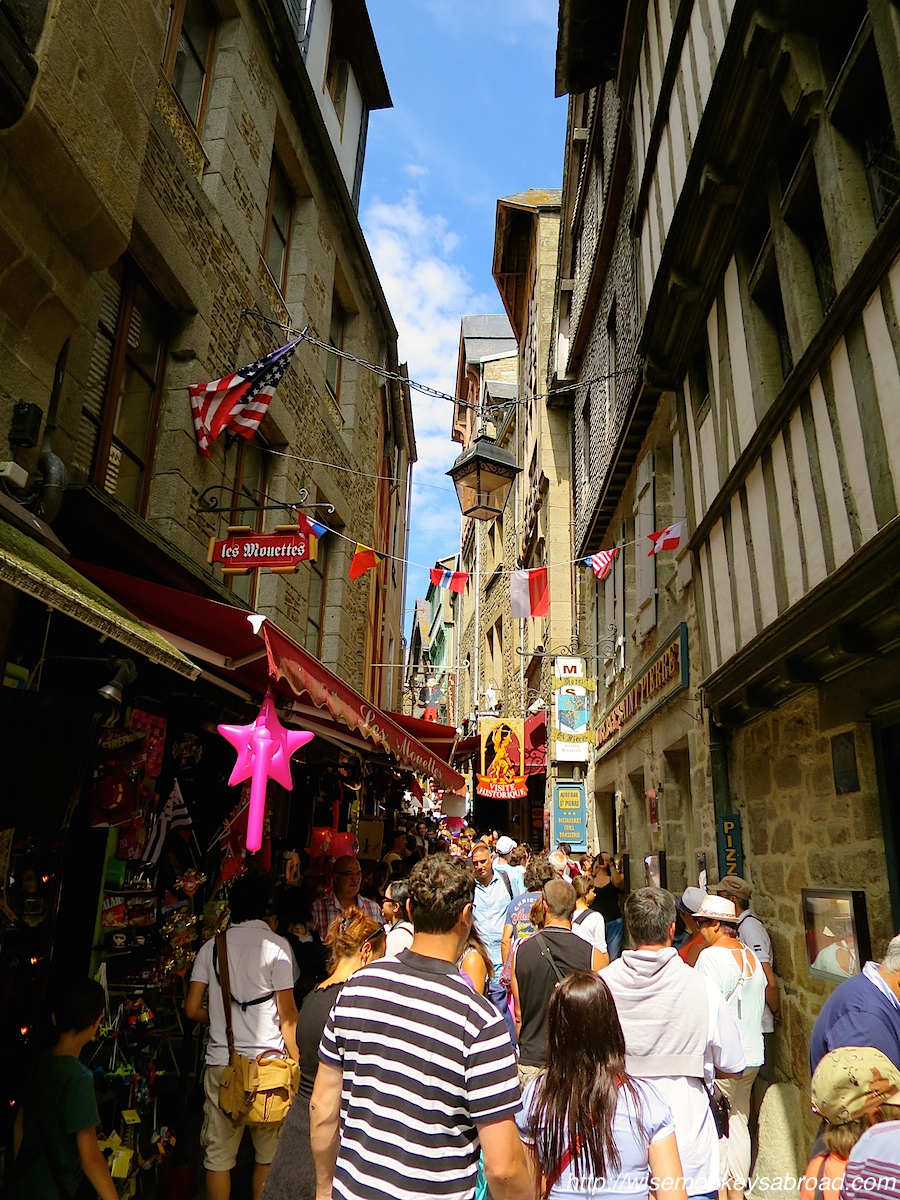

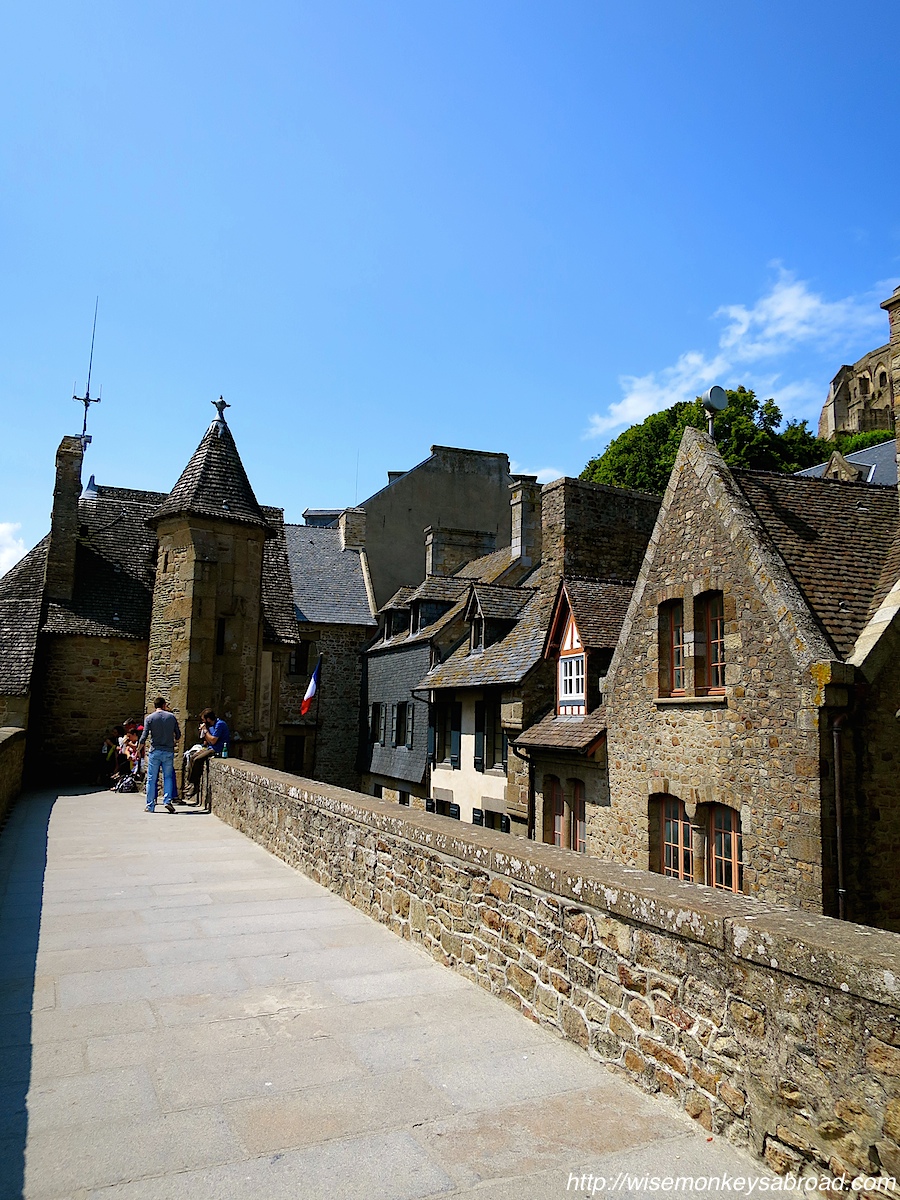
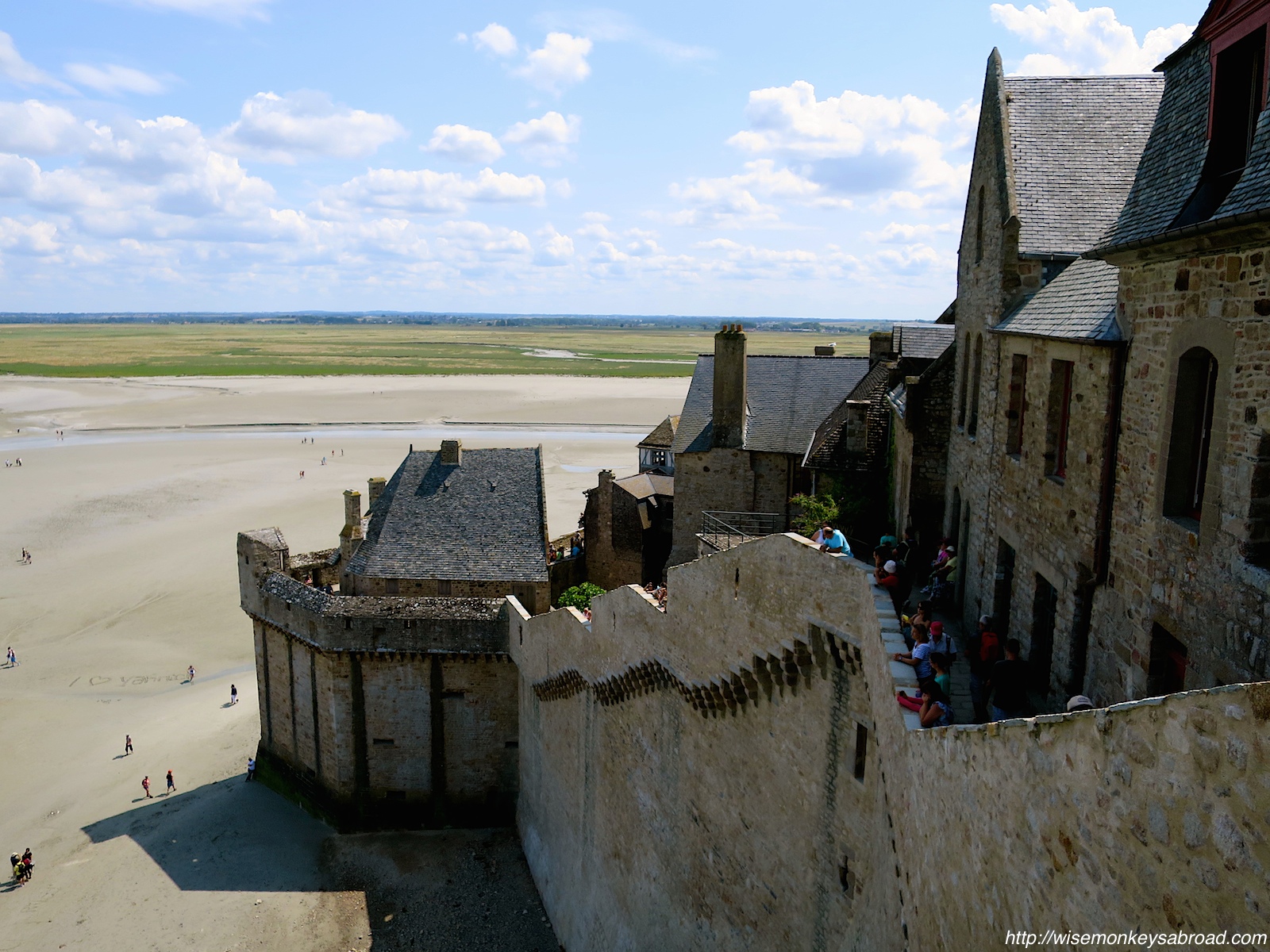

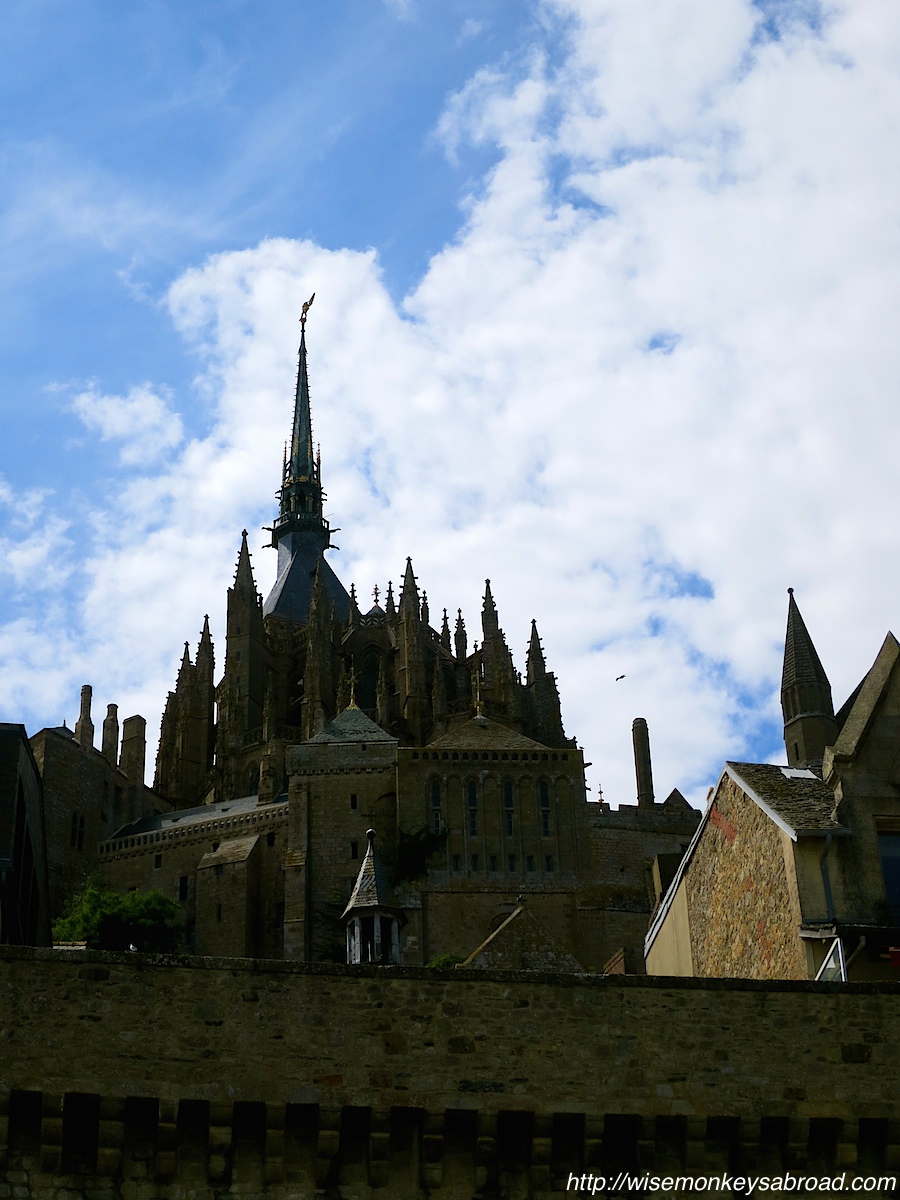
Crowded as it was, we looked past that and found the entire place so surreal to witness. Walking up all those old stone steps to the top before exploring the inside. And the inside? It seems to carry that little bit of mystery, intrigue and plenty of history that we love when we explore places like this.

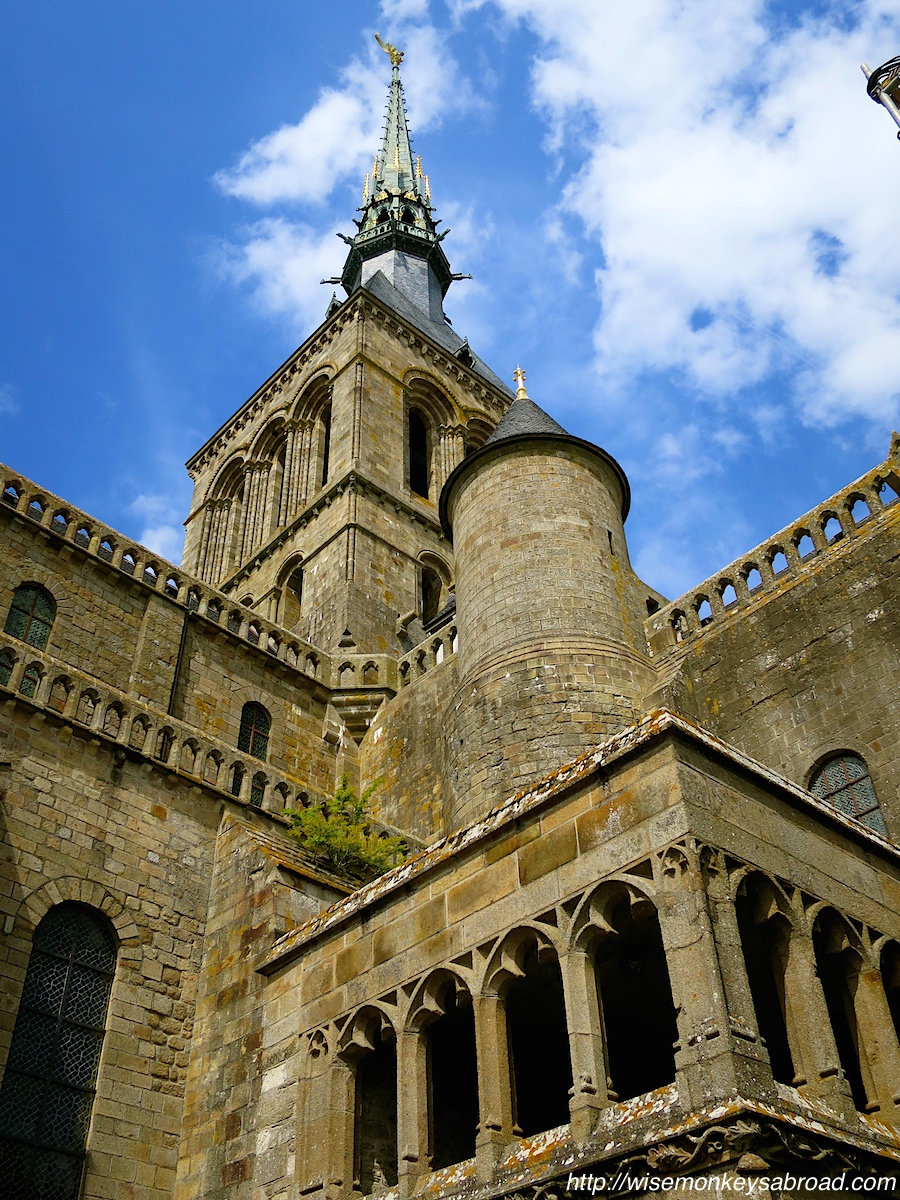
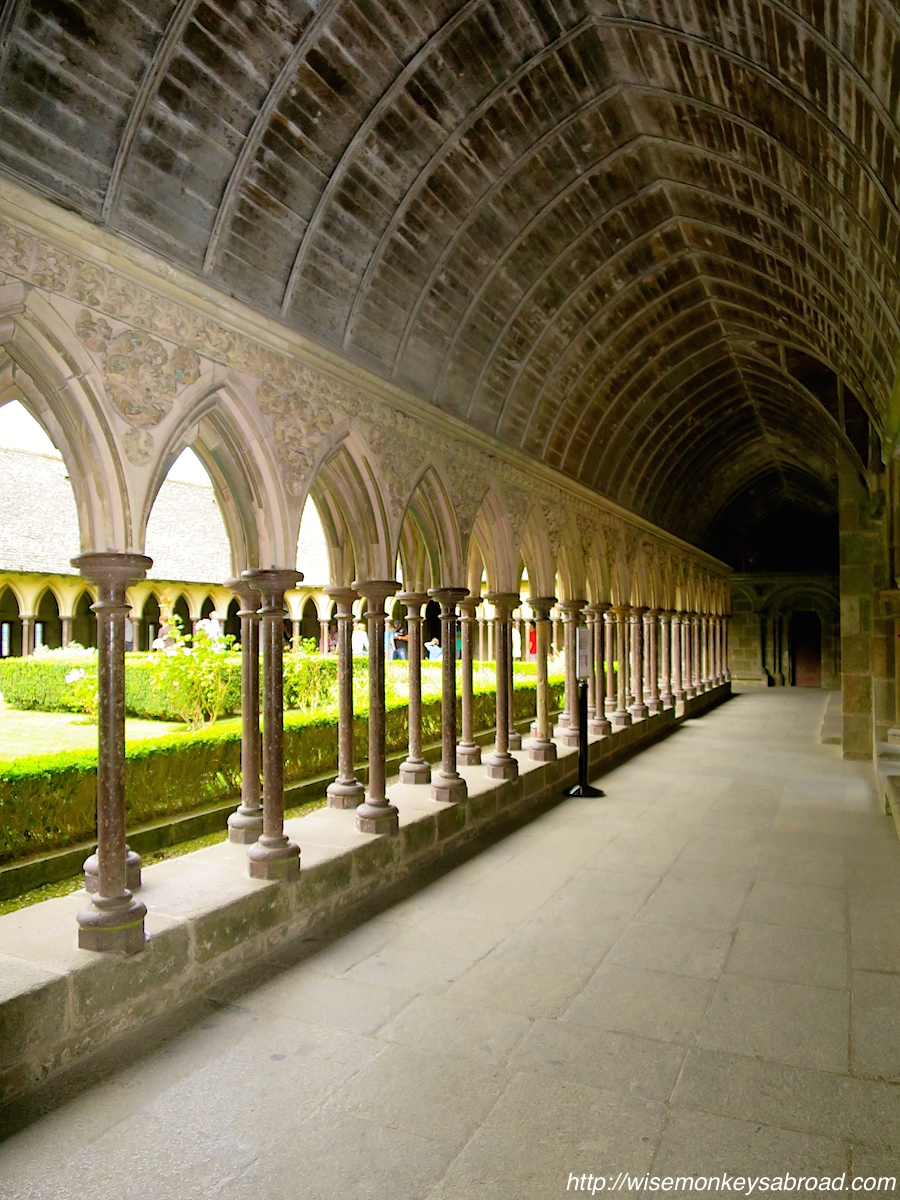
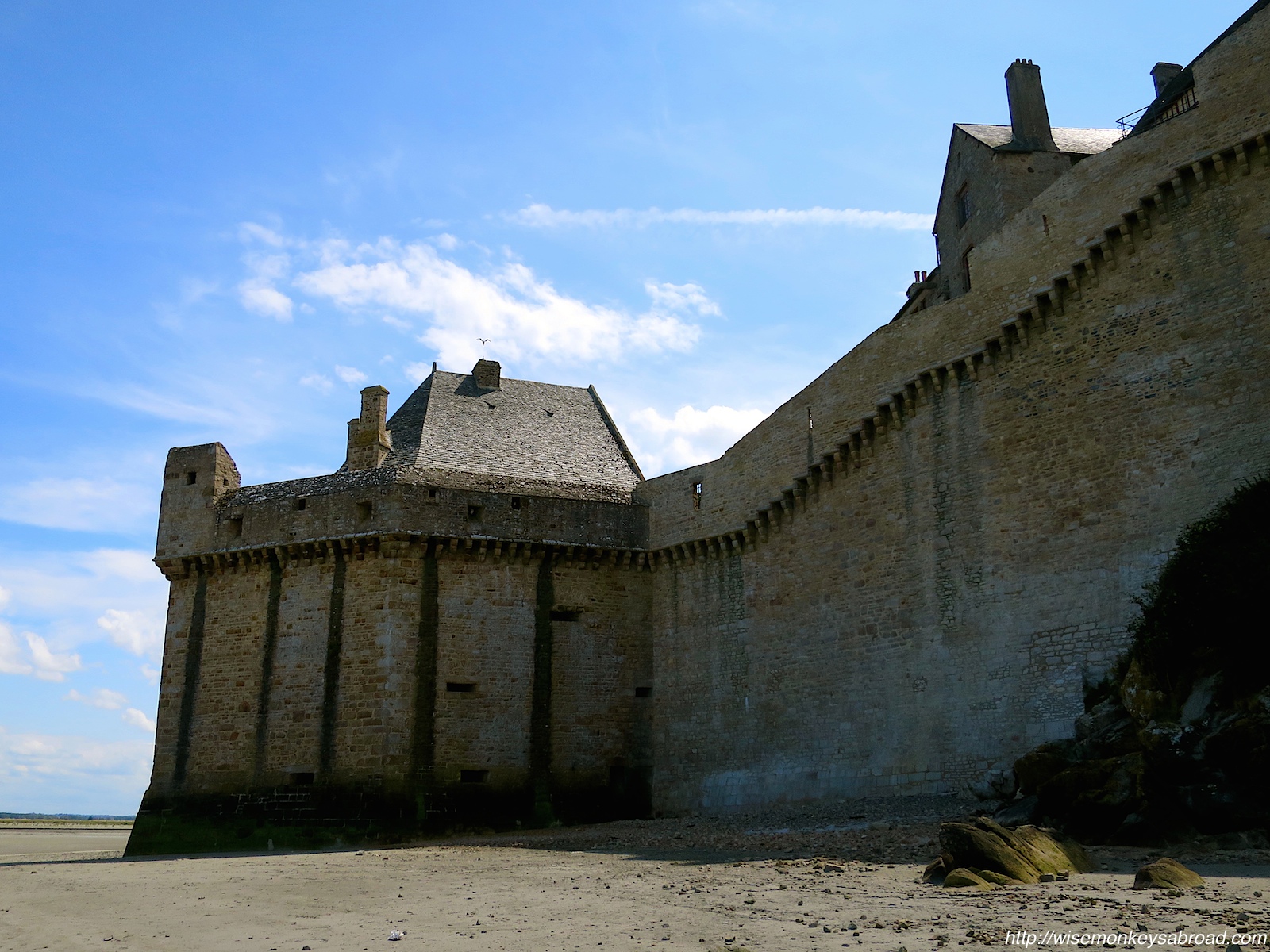
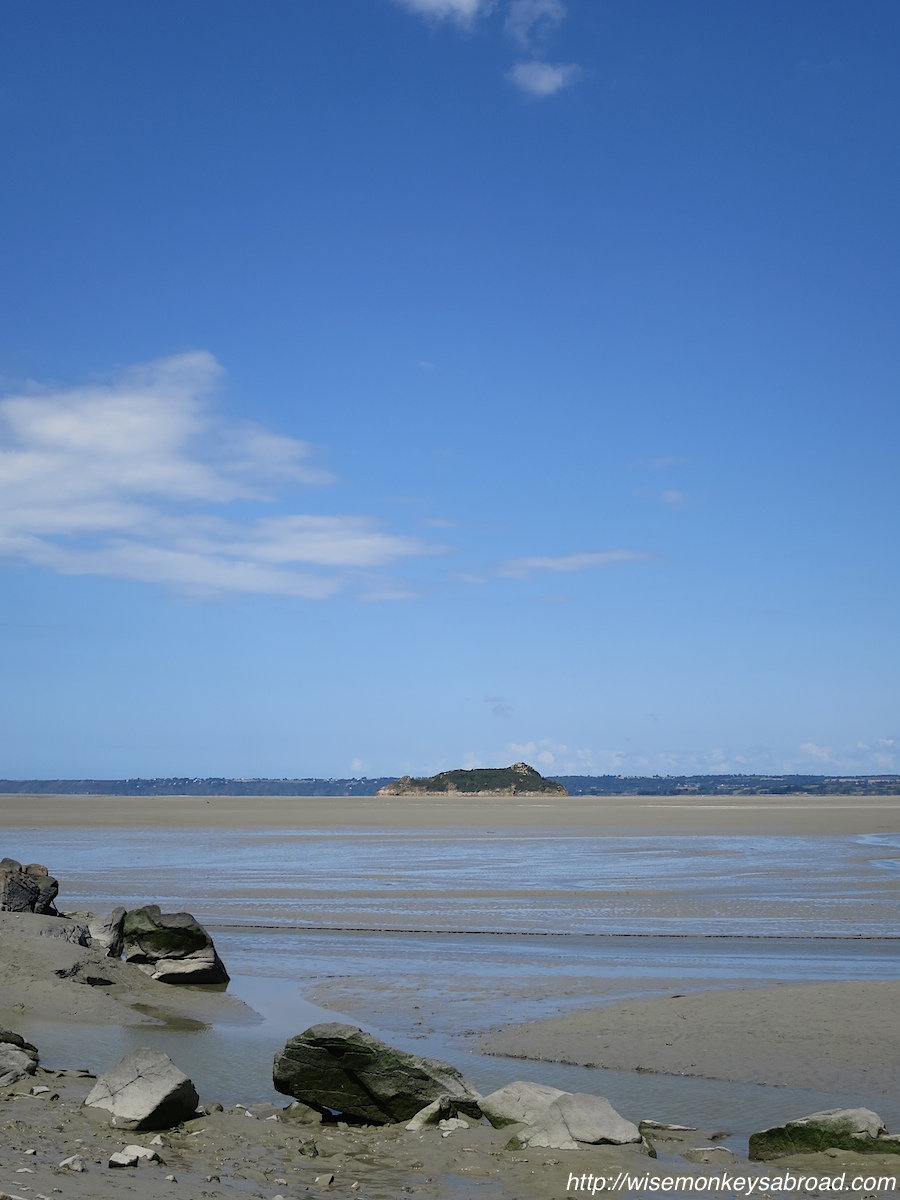
With the tide being out, we were able to walk around the outside of the walls on the mudflats. We didn’t stray too far as we were warned that there are sections of “quicksand”. It is recommended that you join a tour group before venturing too far.


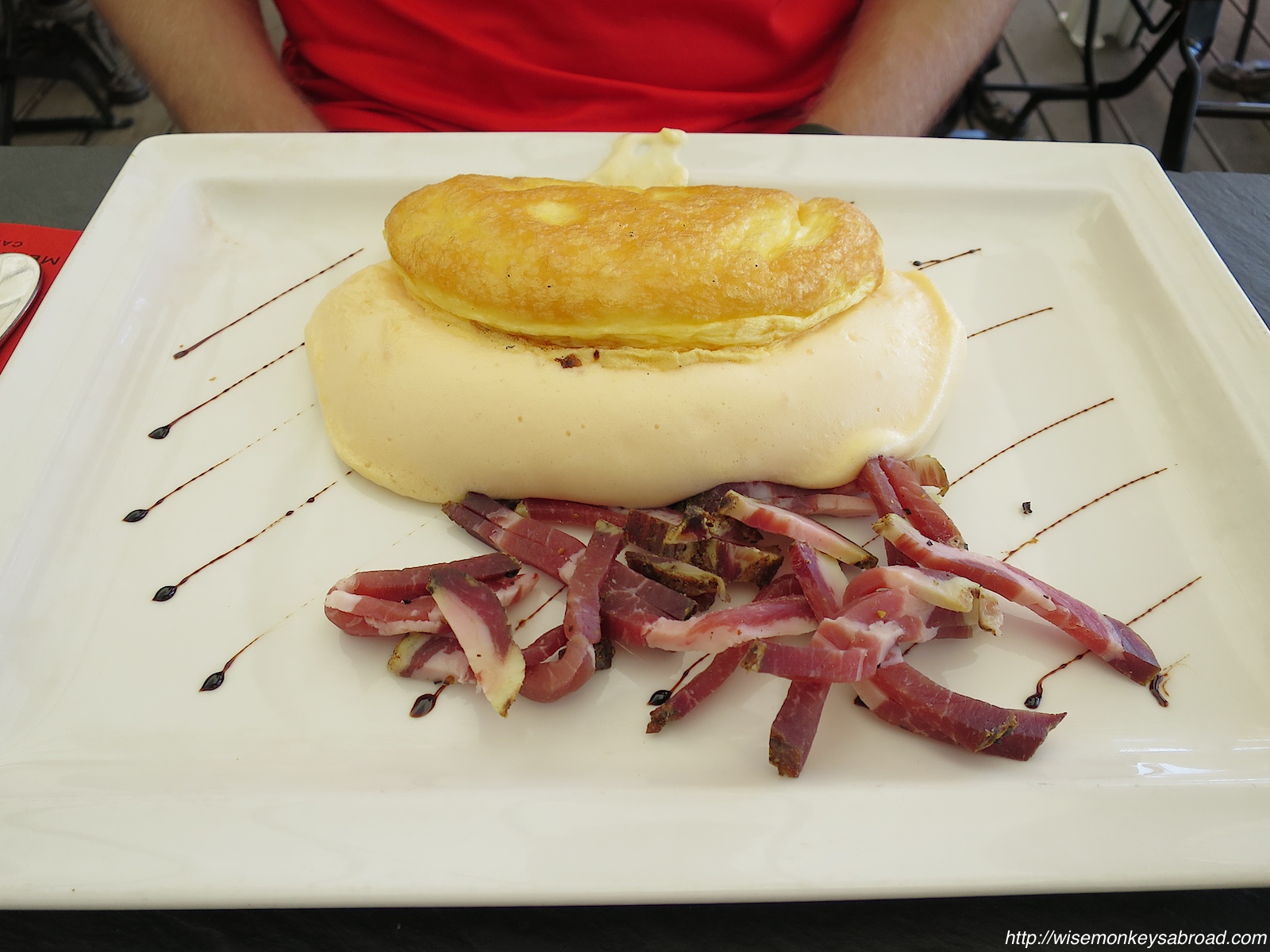
To finish off our time there, we sat down for a local Normandy feed. We tried a soufflé omelette with bacon… let’s just say, it must be an acquired taste!
The other local dish we tried was creamy chicken cooked Normandy style and that was DELICIOUS 🙂

Mont St Michel was listed as a
UNESCO Heritage site in 1979.
To see the other UNESCO sites we have visited,
visit our unofficial bucket list
Have you been to Mont St Michel? Tell us your experiences/thoughts.
Share this:

watchmaking town planning: one of the unesco heritage sites in switzerland
Switzerland is famous for a few things; cheese, chocolate and watches! Let’s just say, we are no experts on cheese or chocolate but we certainly know how to enjoy and appreciate them. What we don’t know too much about: watch-making.
 While we were in Switzerland, we visited two neighbouring towns that are key to the Swiss watch-making industry.
La Chaux-de-Fonds and Le Locle exist because of watches and they owe it probably to some clever town planning from the 19th Century.

Up in the Espacite Tower (which the locals deem an eye-sore – it is rather out of place), we get an almost 360-degree view over the Old Town of La Chaux-de-Fonds and what we see resembles almost a life-sized Lego town (or a row of houses on a Monopoly board). This is how architects turned the art of watch-making into an industry.
The buildings are neatly lined up in parallel rows in a grid formation with wide streets between each row. If you look carefully, there are unusually a lot of windows on the sides of the buildings, spaced quite closely together.
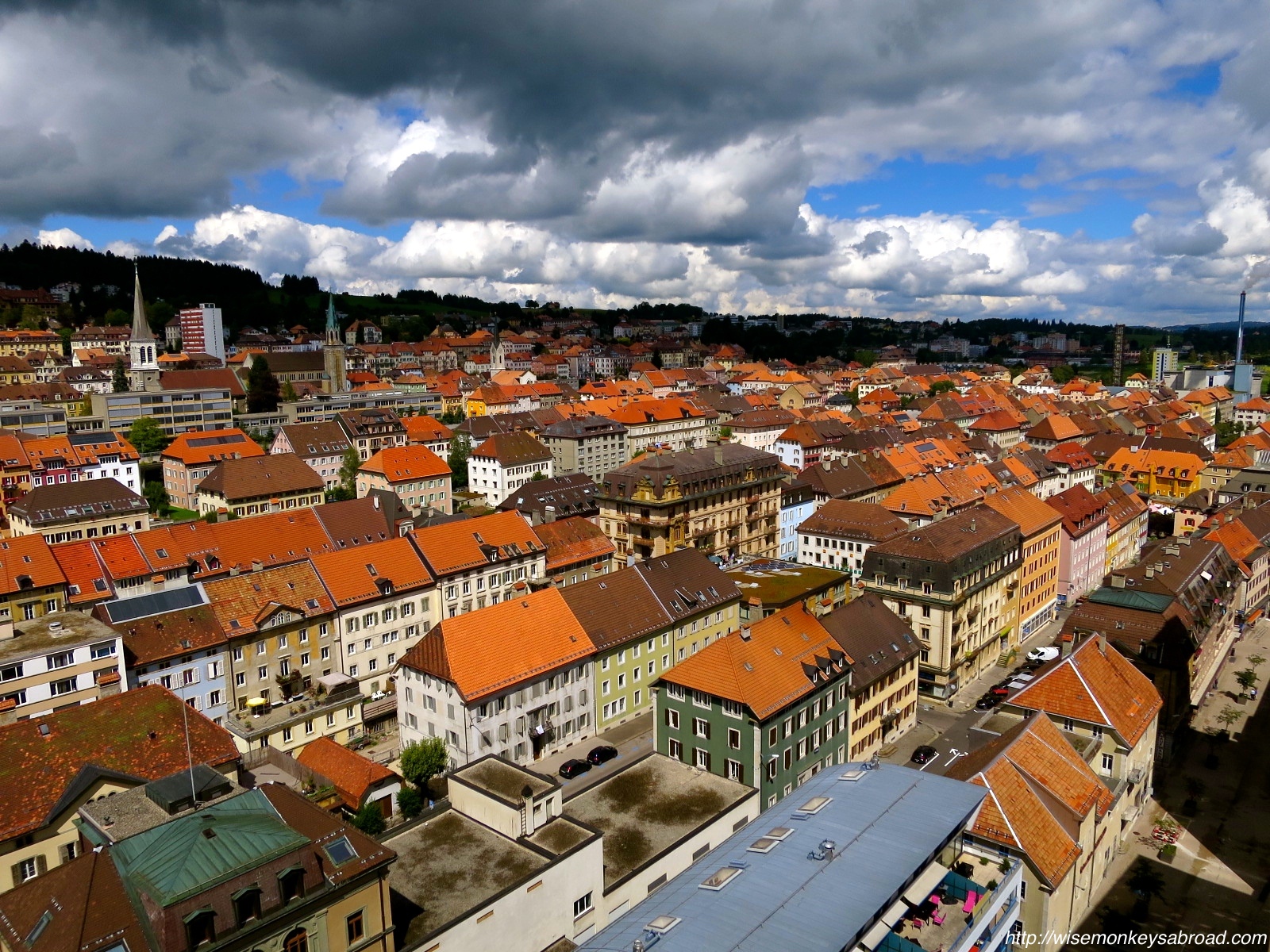
And what was the purpose for this design?
To allow maximum natural light to flood through the windows, especially into the top floors of the buildings so watch-makers could work with the tiny mechanics of watches. Light is of the essence here!
Each building would have watch-makers who specialise in a particular component of the watch and when the part was assembled, there would be young runners that would take that part to the next appropriate building for the subsequent part to be assembled/added. This process continued until the watch was complete.

And why the wider streets?
During winter, being 1000 metres up in the Jura mountains, it snowed a lot. To ensure the continuity of watch manufacturing, historically, the streets needed to be manually shovelled so that the runners could continue to access all the buildings.

After exploring the town of La Chaux-de-Fonds, we had the time (no pun intended) to visit Le Locle Watchmaking Museum, which is in Chateau des Monts. The museum has on display an extraordinary collection of clocks, mechanics and exhibits of the art and science of time, in particular, time-keeping!
The collection was so extensive, we were just in awe. To see all the different devices from around the world through history that essentially do what our wristwatches do every second, every minute of every day. We surprised ourselves with how fascinated we found time-keeping, we even wanted to buy a grandfather clock for our apartment 🙂 .


After this unique visit to the two towns, we certainly will be looking at clocks and watches in a different light. This is one of the reasons we love travelling so much, it is these types of places that we get to visit that enlightens us, resulting in us having a greater appreciation for the little things in life we sometimes take for granted.
La Chaux-de-Fonds/Le Locle, watchmaking town
planning was listed as a
UNESCO Heritage site in 2009.
To see the other UNESCO sites we have visited,
visit our unofficial bucket list
Your comments are always welcomed.
Share this:

- ← Previous
- 1
- 2
- 3
- …
- 5
- Next →
 wise monkeys abroad