
grand canyon: is it really grand?
Before seeing the Grand Canyon, we really had no expectation and without sounding sarcastic… “How grand can it really be?”

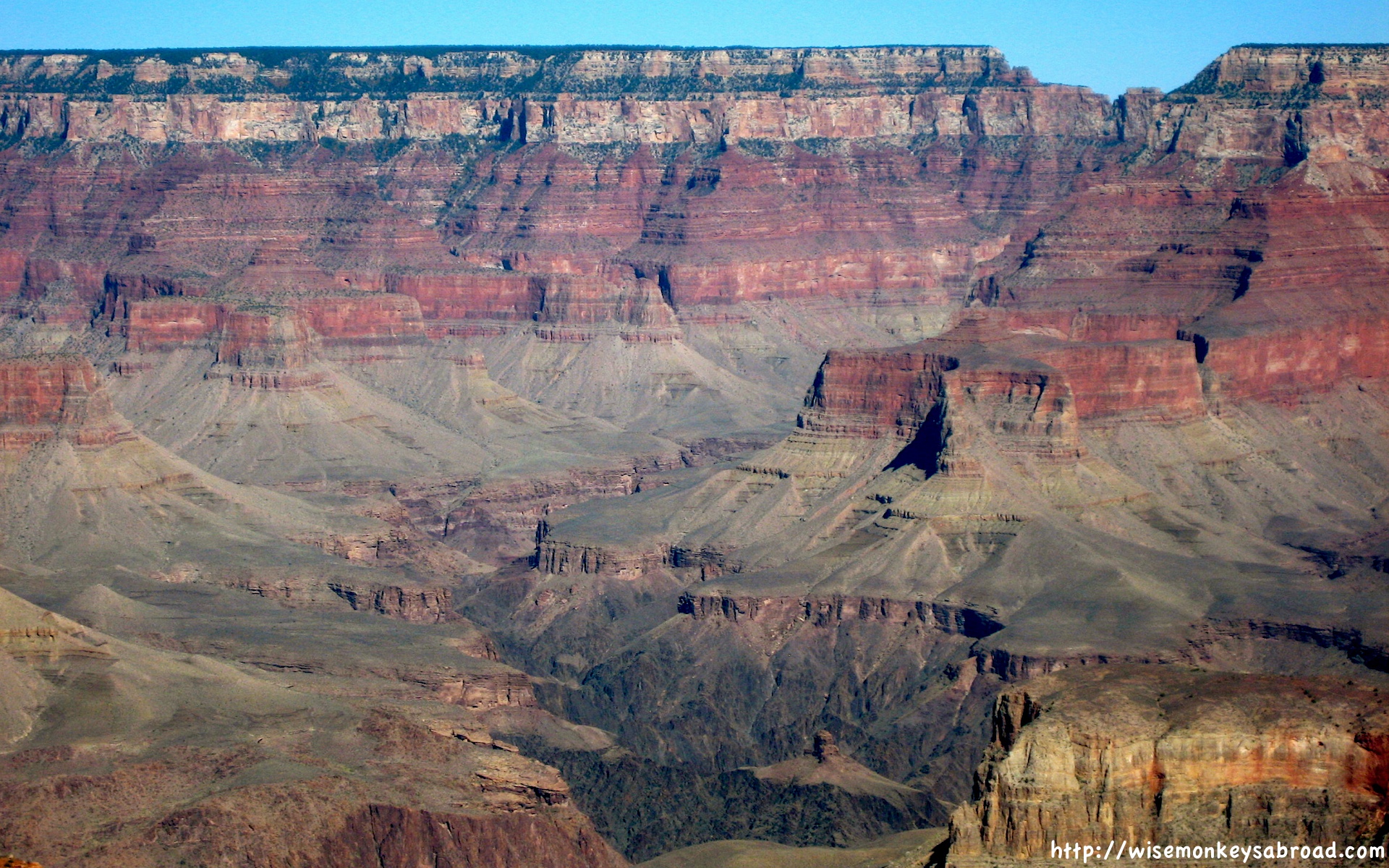
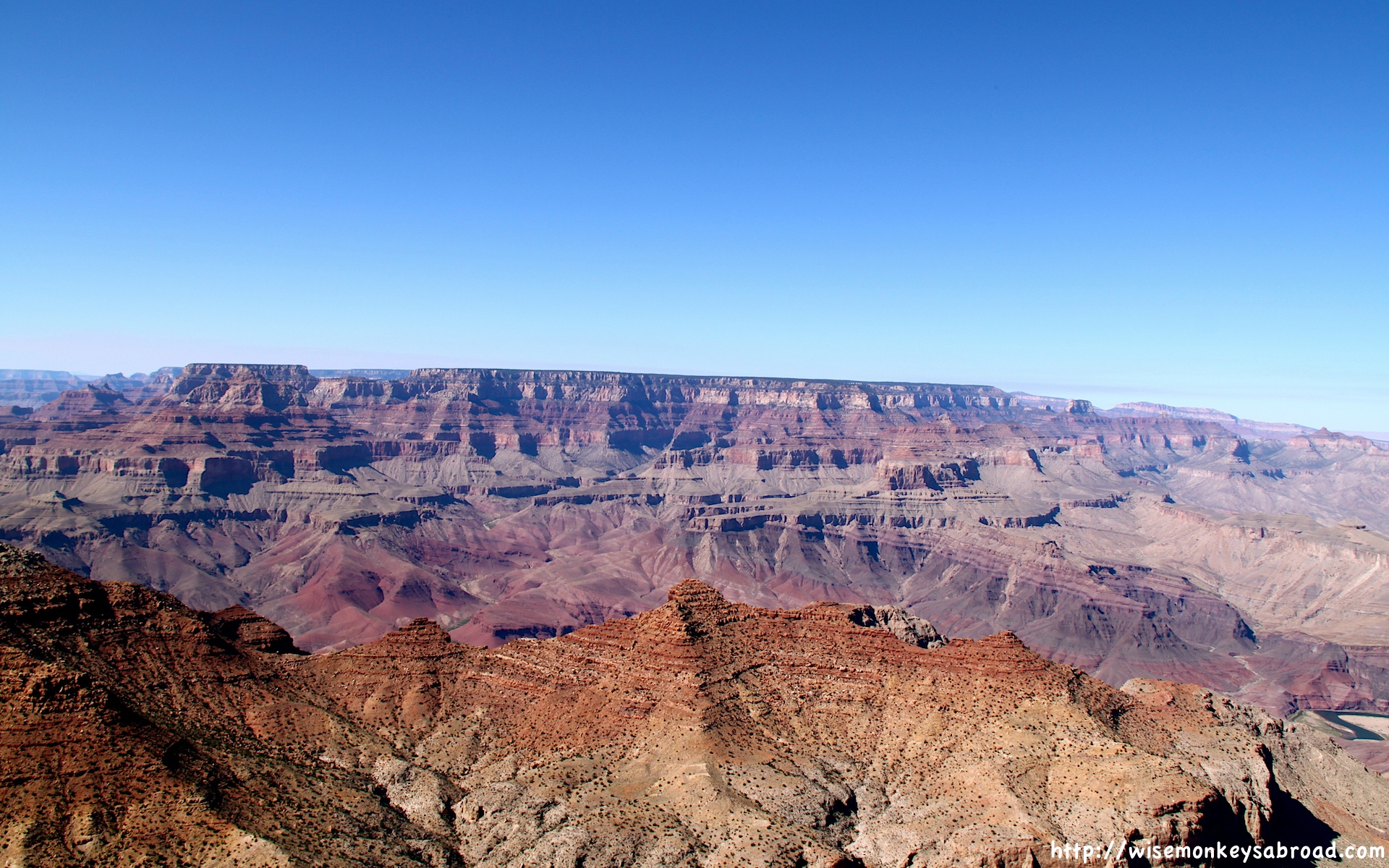
In our original post about this trip, we described that the Grand Canyon is magnificently enormous. And honestly after seeing it with our own eyes, we can confirm that it really is GRAND.
According to UNESCO*, the national park contains more than 2,600 documented prehistoric ruins, untouched until about 1860s. There are 5 life and vegetation zones within the canyon, with over 1,000 species of identified plants.
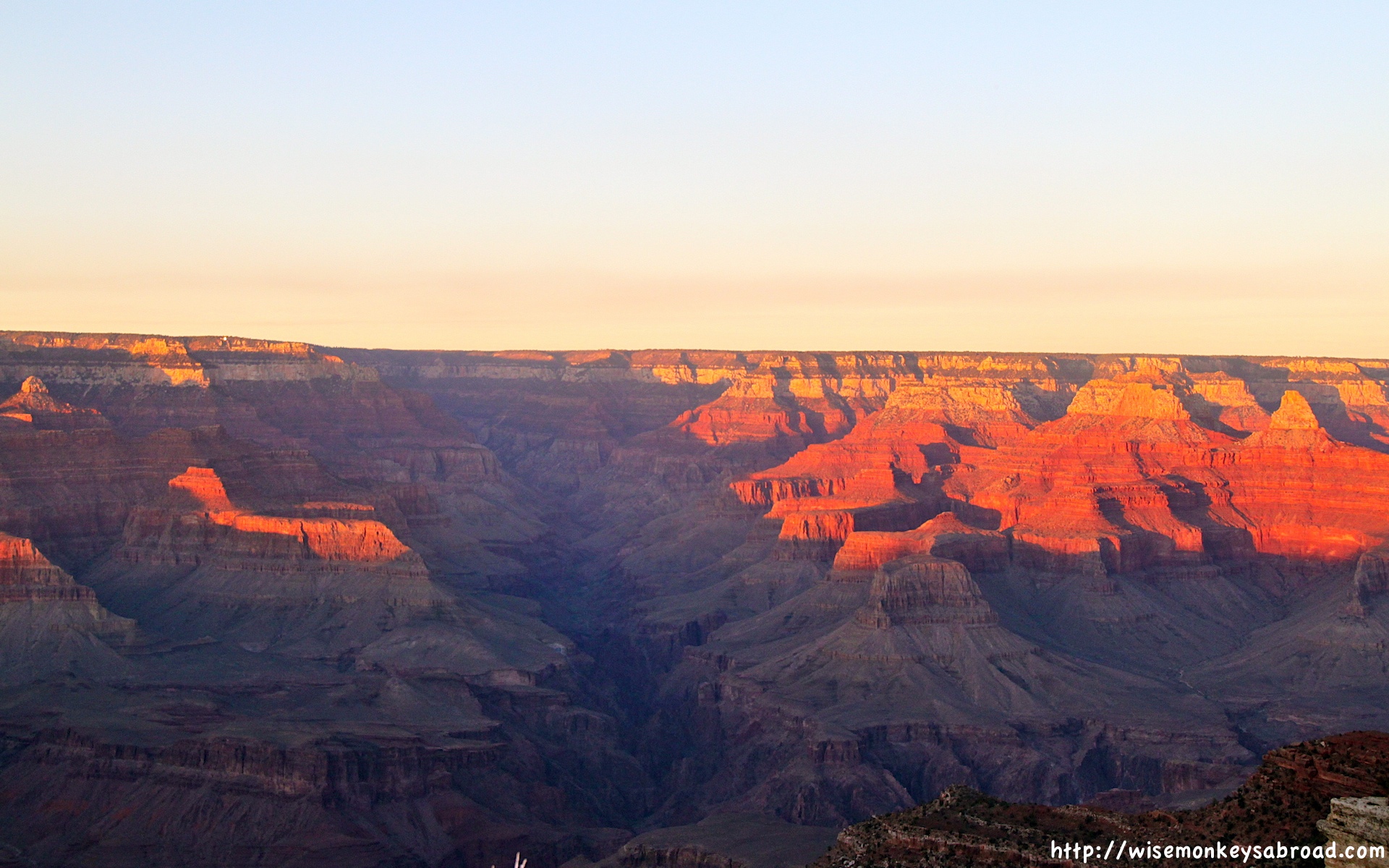
The Grand Canyon is a gorge, carved out by the Colorado River, millions of years ago. It is approximately 1.5km deep and 450 km long. And honestly, looking out at it, the canyon seems to go on forever! Great times to witness the canyon are during sunrise and sunset when the colours of the canyon change before your eyes.
Words can simply not describe what we could see. Photographs doesn’t do it justice. Witnessing the natural beauty in front of us reminded us what a wonderful world that we live in!
There are times when places are “talked up” and don’t really live to their name or reputation. But here at the Grand Canyon, we certainly were not disappointed! Go see it for yourself, if you haven’t already!
Unfortunately, we didn’t go on a helicopter ride over the canyon, as what we have heard is only gushing reviews about seeing it that way.



Grand Canyon National Park was listed as a
UNESCO Heritage site in 1979.
To see the other UNESCO sites we have visited,
visit our unofficial bucket list
* Ref: The World’s Heritage – the best-selling guide to the most extraordinary places (UNESCO Publishing 2011)
Share this:

weekend walks: coogee to bondi
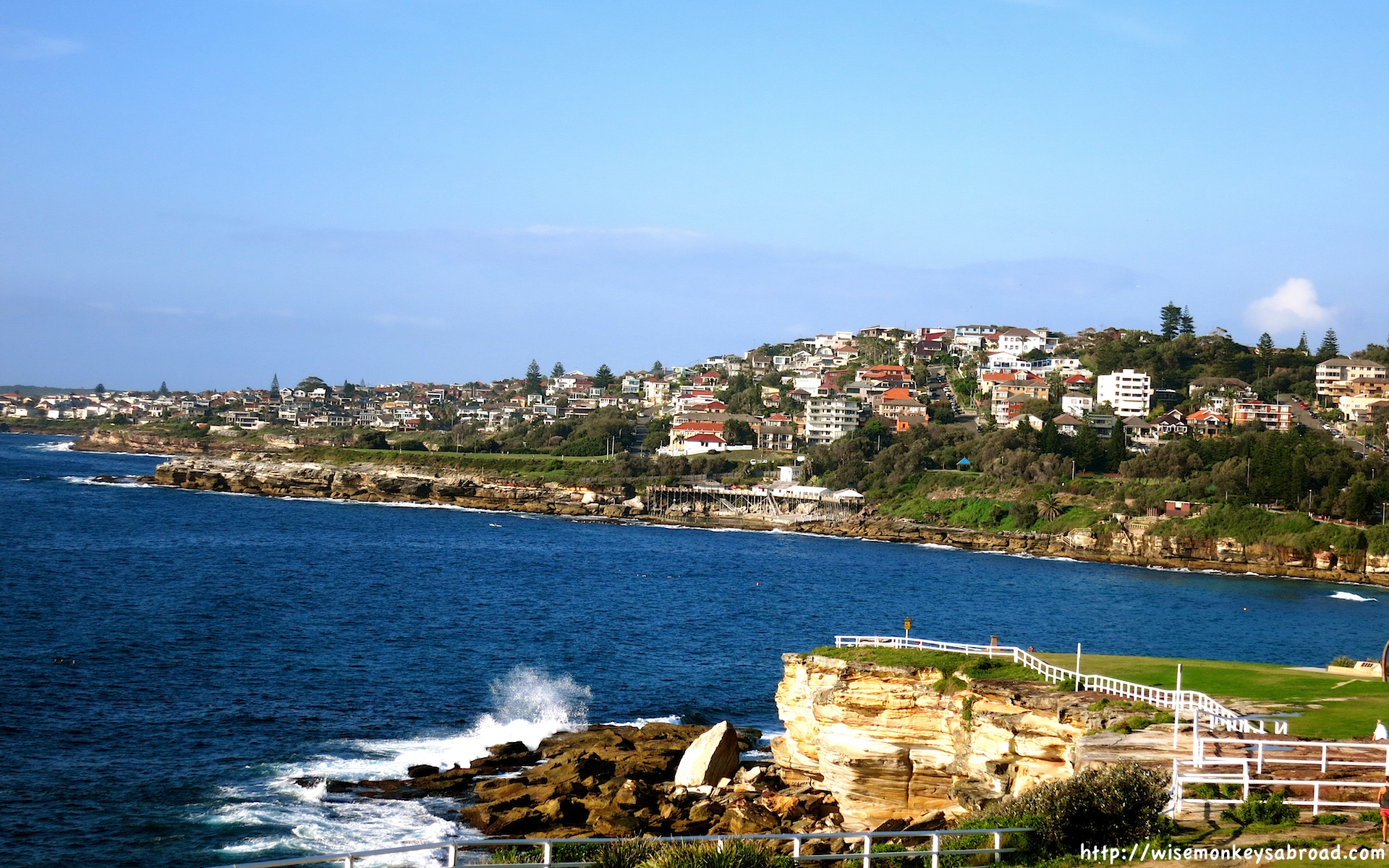
A sunny and warm autumn day called for us to visit the beach. So we chose to walk from Coogee to Bondi and back – totalling about 12 km all up!
The conditions were perfect for our weekend walk along the Eastern Coast which took us from Coogee to Clovelly to Bronte onto Tamarama before ending up on world famous, Bondi Beach! The walk took us up some steep inclines and steps but the view compensated for any pain we felt at times!
To finish off the walk, we met a Blue-Tongued Lizard – we had SO hoped to capture his blue tongue for the post but unfortunately he became very camera shy! And for the record, his tongue is very blue!


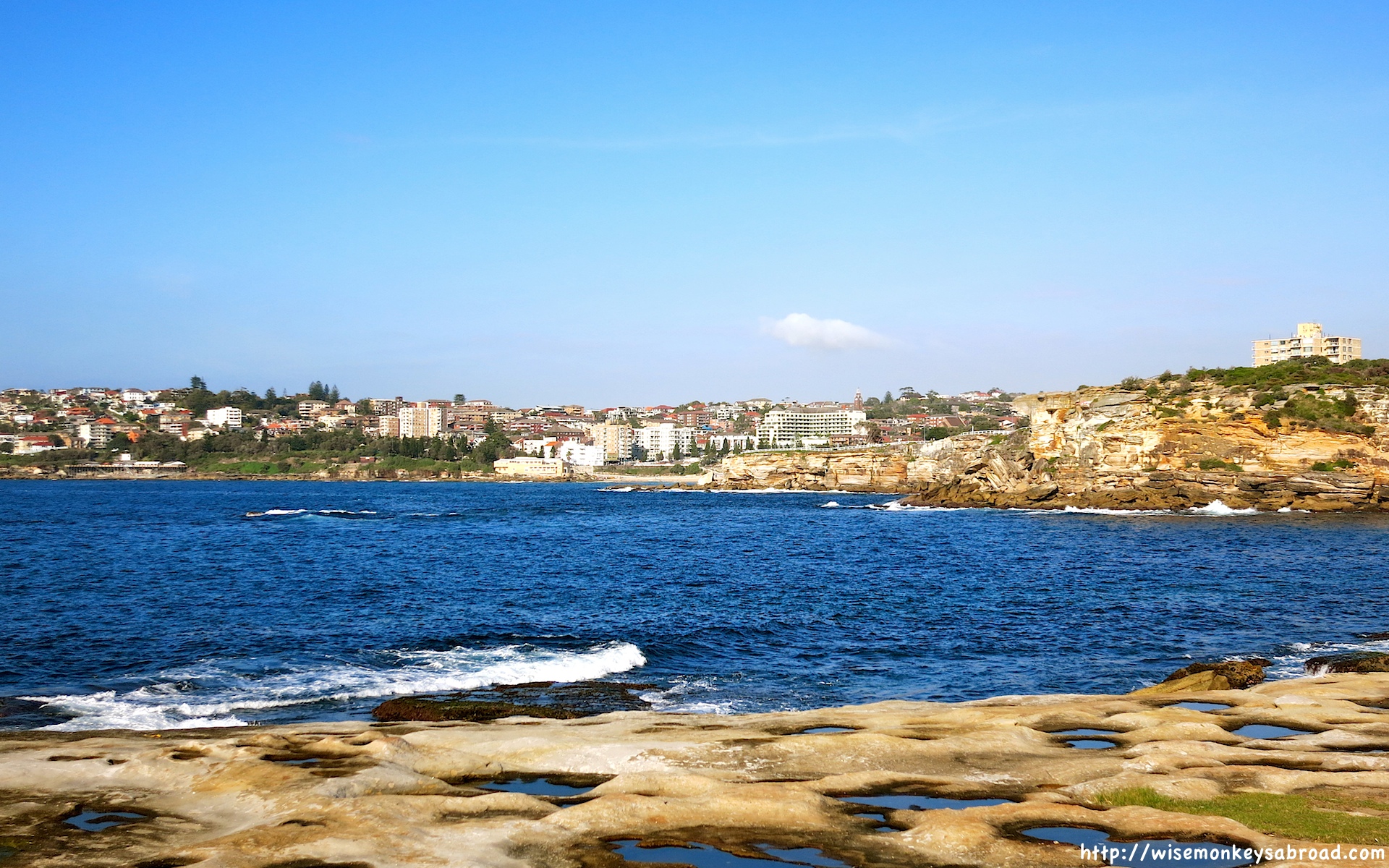
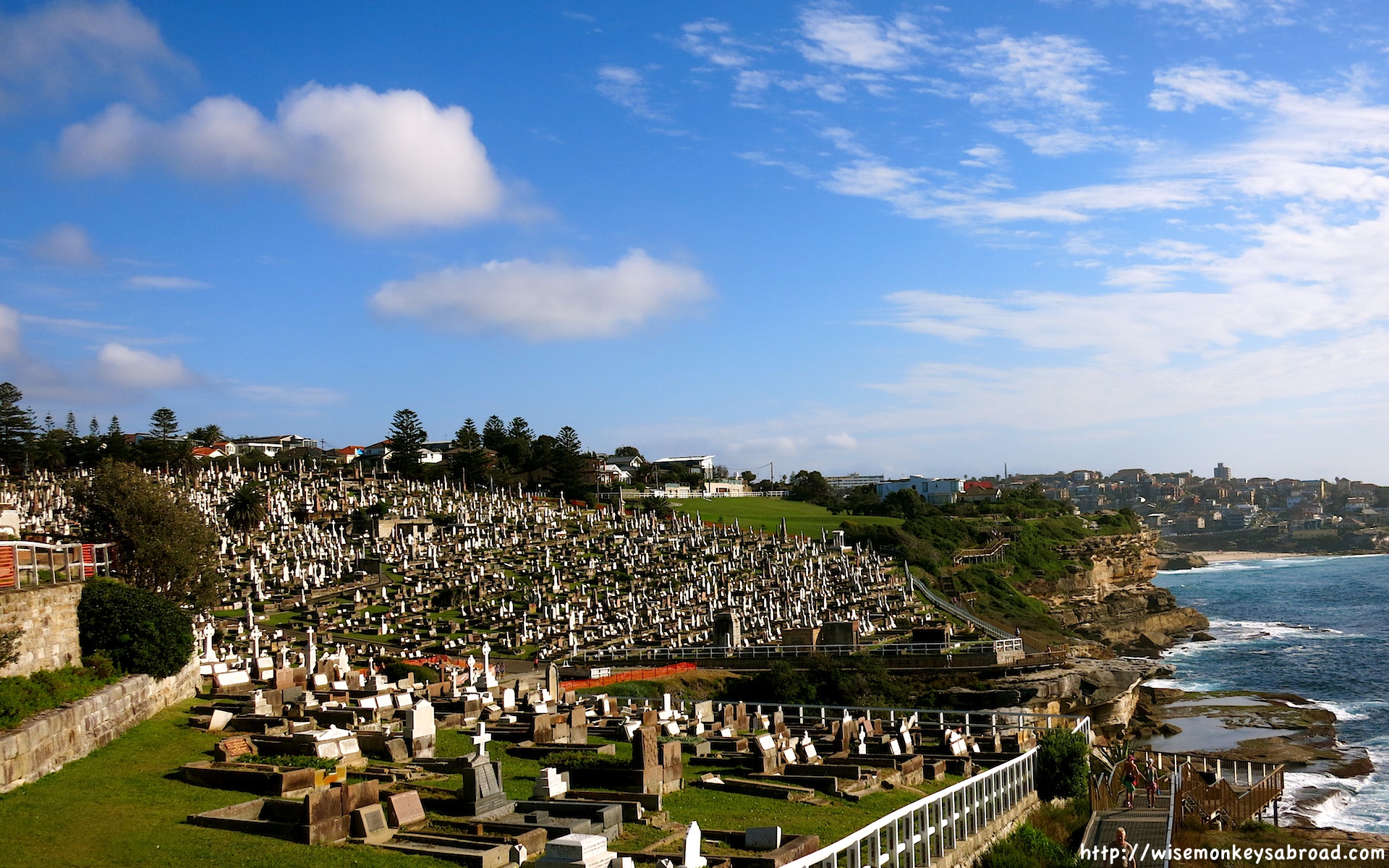


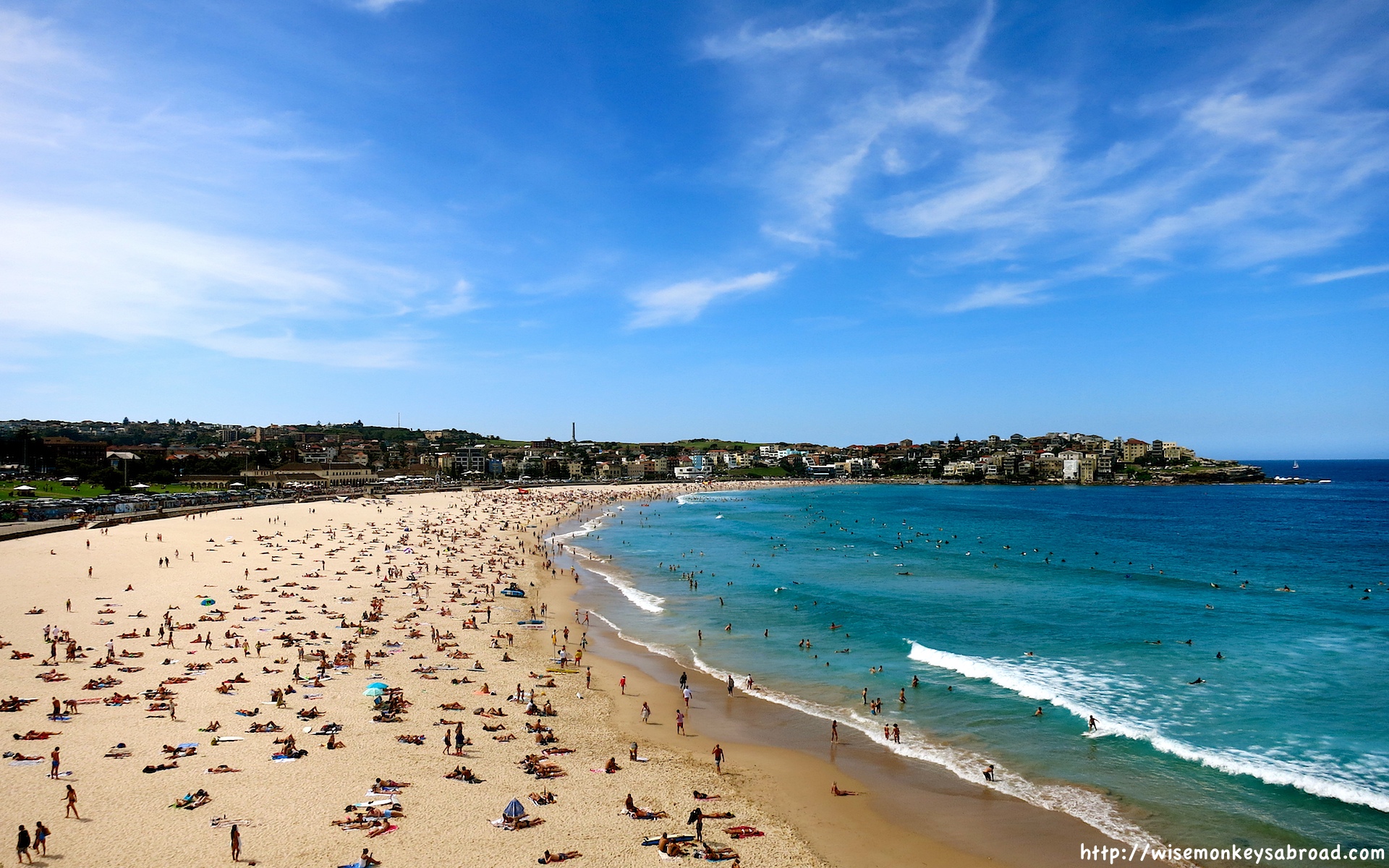

Wishing you all a lovely week ahead!
Share this:

weekly photo challenge: reflections
The photo challenge for this week is REFLECTIONS
This photo was taken on Isabela Island in the Galapagos – where do the flamingos start and finish?

Share this:

acropolis: our first unesco heritage site
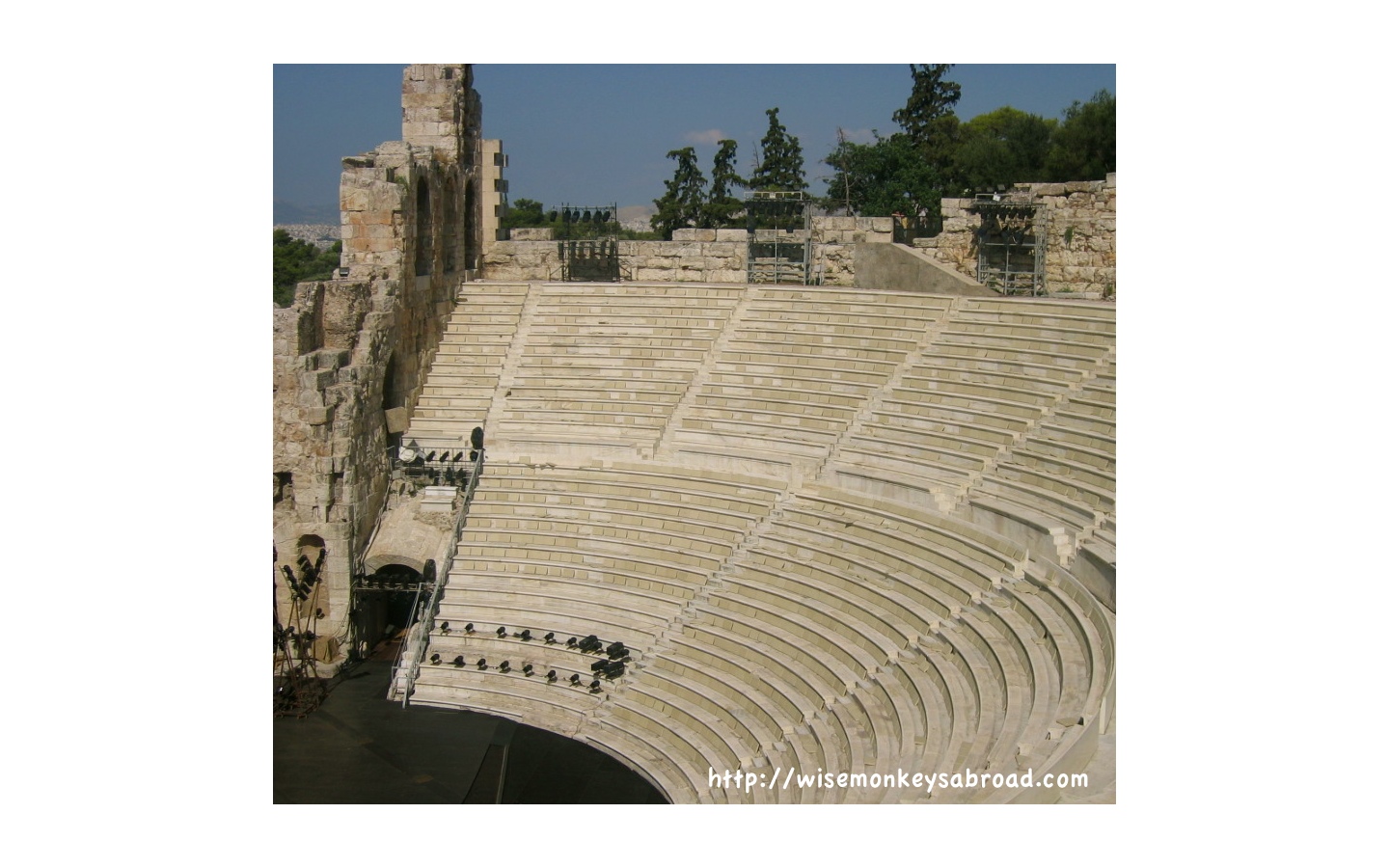
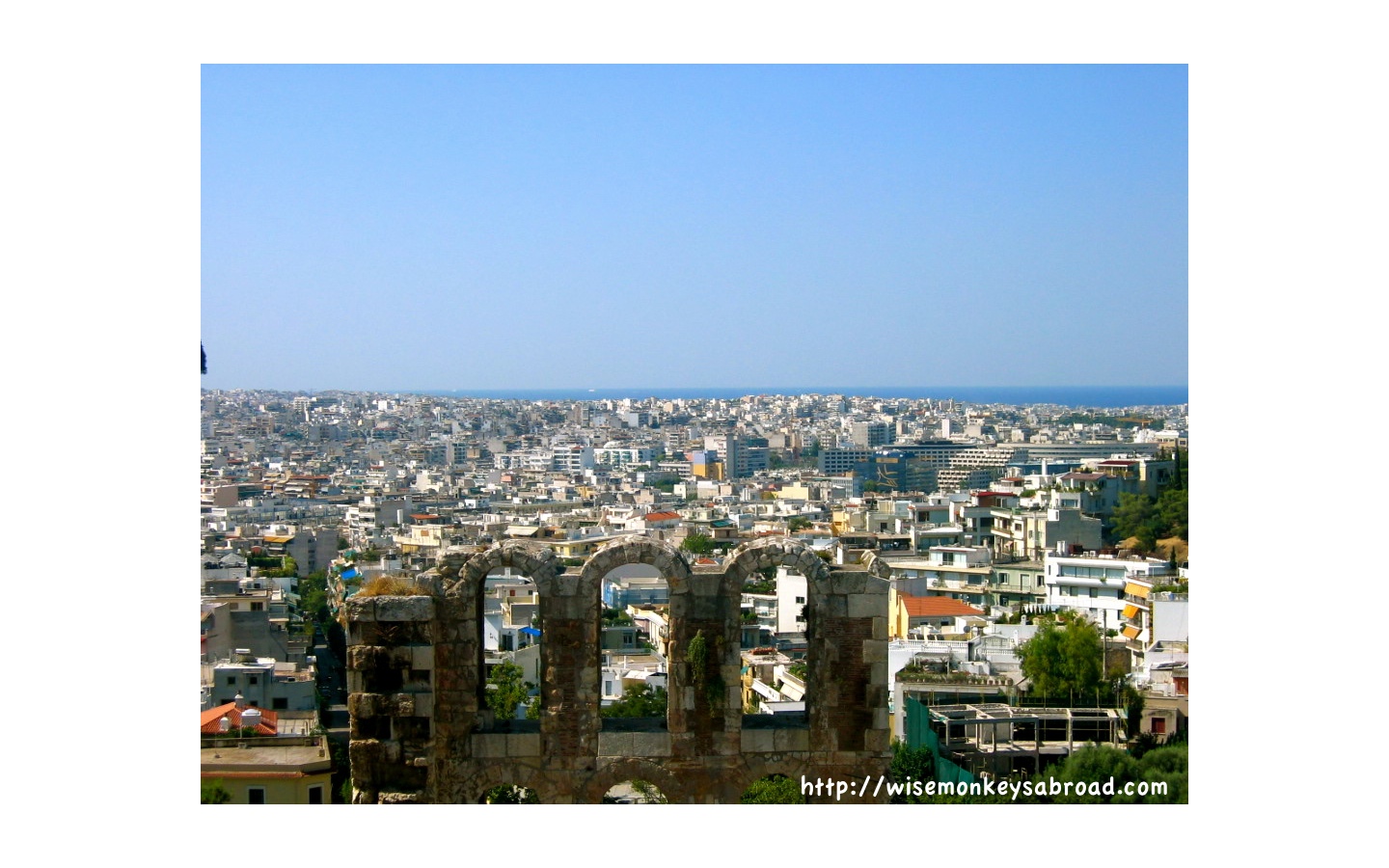
Reaching the Acropolis involved walking up an unsealed ramp with rather steep inclines. We had just come off a 30-odd hour flight from Sydney and we were exhausted but the adrenaline kicked in as we caught glimpses of the Acropolis. The intention was not to visit it straight away but seeing it there, high in the sky, we were compelled to visit. Thus became the first UNESCO Heritage Site we have ever visited together. And it just took our breath away. Getting to the top did not disappoint except maybe the throngs of other travelers there. What we saw was so surreal – walking amongst so much history – so much Greek history that we had learnt about in high school.
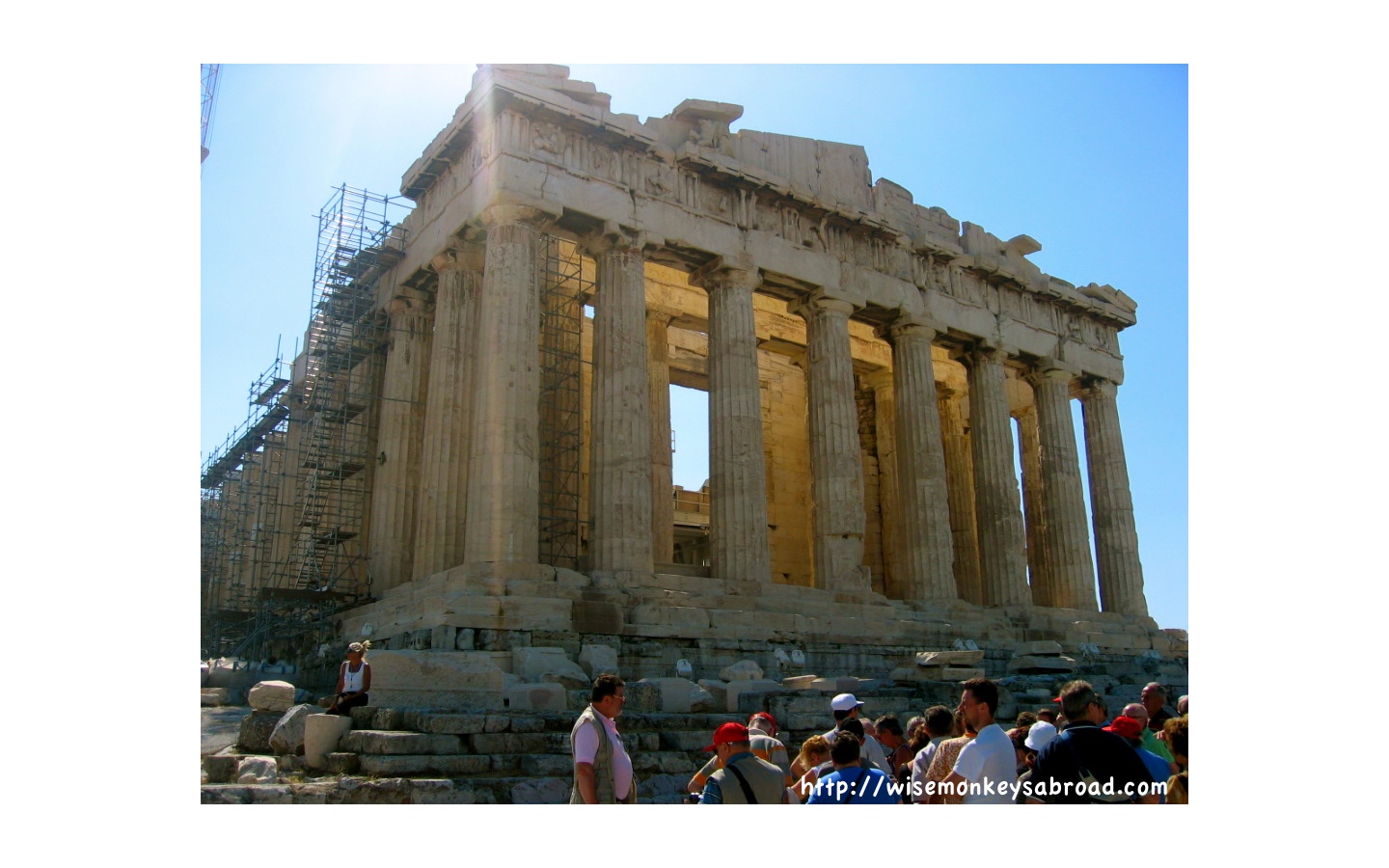
The Acropolis of Athens is situated on a flat-topped rock approximately 156 metres above Athens and covers about 3 hectares. It was around the 5th century BCE that the most important buildings were built such as the Parthenon, the Propylaea, the temple of Athena Nike and the Erechtheion.
The Parthenon is probably the most well-known piece of architecture within the Acropolis. It was the main temple dedicated to the goddess, Athena. Over the thousands year of its existence, it has acted as a Roman Catholic church, a Greek Orthodox Christian church and an Islamic mosque. In the 19th century, the Parthenon lost some of its marble sections, which is now housed in the British Museum.
We look back on our photos from 2006 and with our really small memory card, we couldn’t take many photos but of the ones we took, these are worth sharing 🙂 We are SO inspired to visit Greece again and see even more of this country’s beauty and history!




 wise monkeys abroad