
art
inside the world famous hermitage
To see every piece of artwork in the Hermitage in one visit is impossible. Apparently to look at every piece (of the 3 million collection) for 30 seconds each, would take up to 9 years. We did not have that much time on this trip!
Russian Empress Catherine the Great founded the Hermitage in 1764 when she purchased masterpieces from Western Europe. The museum has 4 of its 6 buildings open to the public; Winter Palace, Small Hermitage, Old Hermitage and New Hermitage.
As we walk through the rooms and hallways, the opulent lifestyles of the Russian past smacks us in the face! But in saying that, the lavish and exquisite interior of the museum is the perfect home for the masterpieces.




Considering that we would not be able to see every single piece in our one visit, there are a few must-sees in the collection. And the beauty of what we saw is simply worth sharing. The first several are masterpieces of Da Vinci, Raphael, Michelangelo, Rembrandt and Van Gogh.


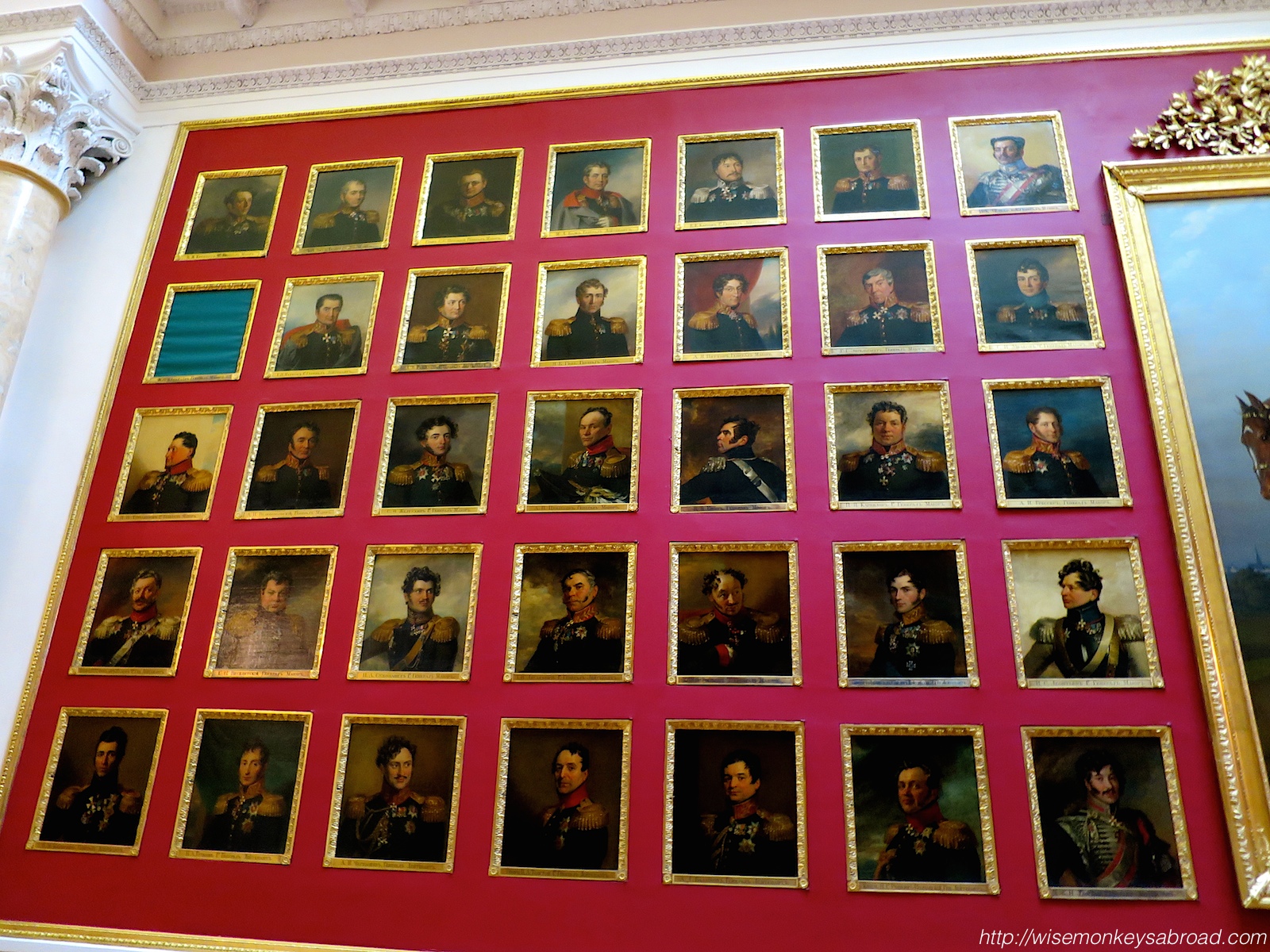
Hermitage is closed on Mondays. It also can get very busy and we heard pickpockets use the opportunity to pounce so be sure to keep an eye closely on handbags and wallets. Also remember, backpacks are not allowed in the museum.
For photos of our trip to Russia, see our Facebook page.
Have you visited the Hermitage? What did you think?
Share this:

weekend walks: moscow’s metro stations
Although we were on the metro to get to the different stations, our weekend walk is taking you through some of Moscow’s most decorative metro stations.

Each one of the Metro stations is unique and grand in their own way, we just didn’t know where to look! There are statues, there are ornate ceilings, there are mosaic artworks, there are fancy light fixtures – Stalin’s vision of brilliance and radiance certainly was fulfilled! Each of the artwork represents different elements of the Soviet Union’s past.


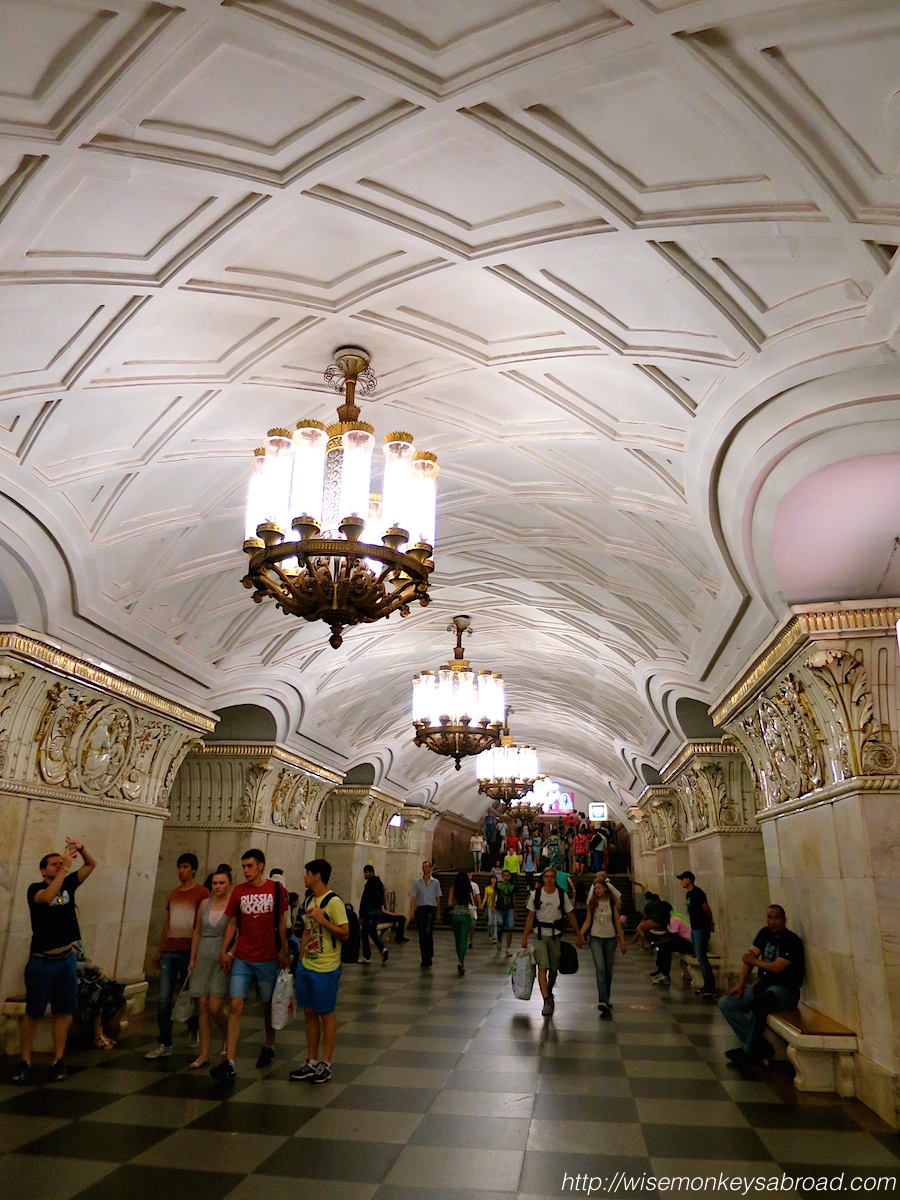
The underground system opened in 1935. And really is an attraction in itself and worth witnessing. It left us in so much awe and gobsmacked!
The metro system is so efficient with trains arriving every minute (or so) during peak hour. Its cleanliness is also noticeable. There is no graffiti or rubbish anywhere! It certainly highlights that our train system in Sydney has room for improvement. Not that we are asking for marble or stain-glassed walls on the train platforms – just punctual and frequent trains 🙂

Share this:

introducing sheffield: town of murals
We stayed in Sheffield while in Tasmania and used it as our base to visit Cradle Mountain National Park.
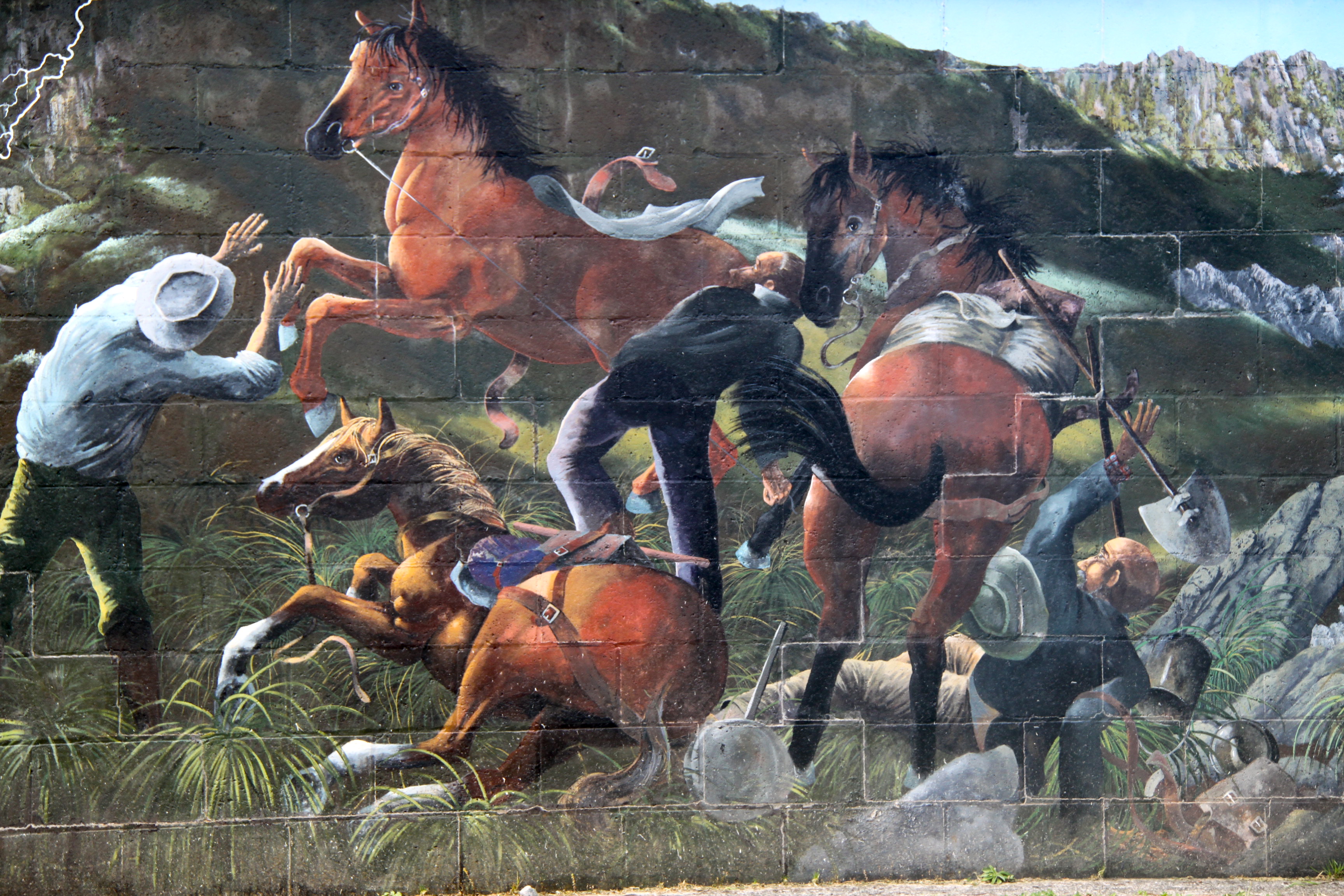
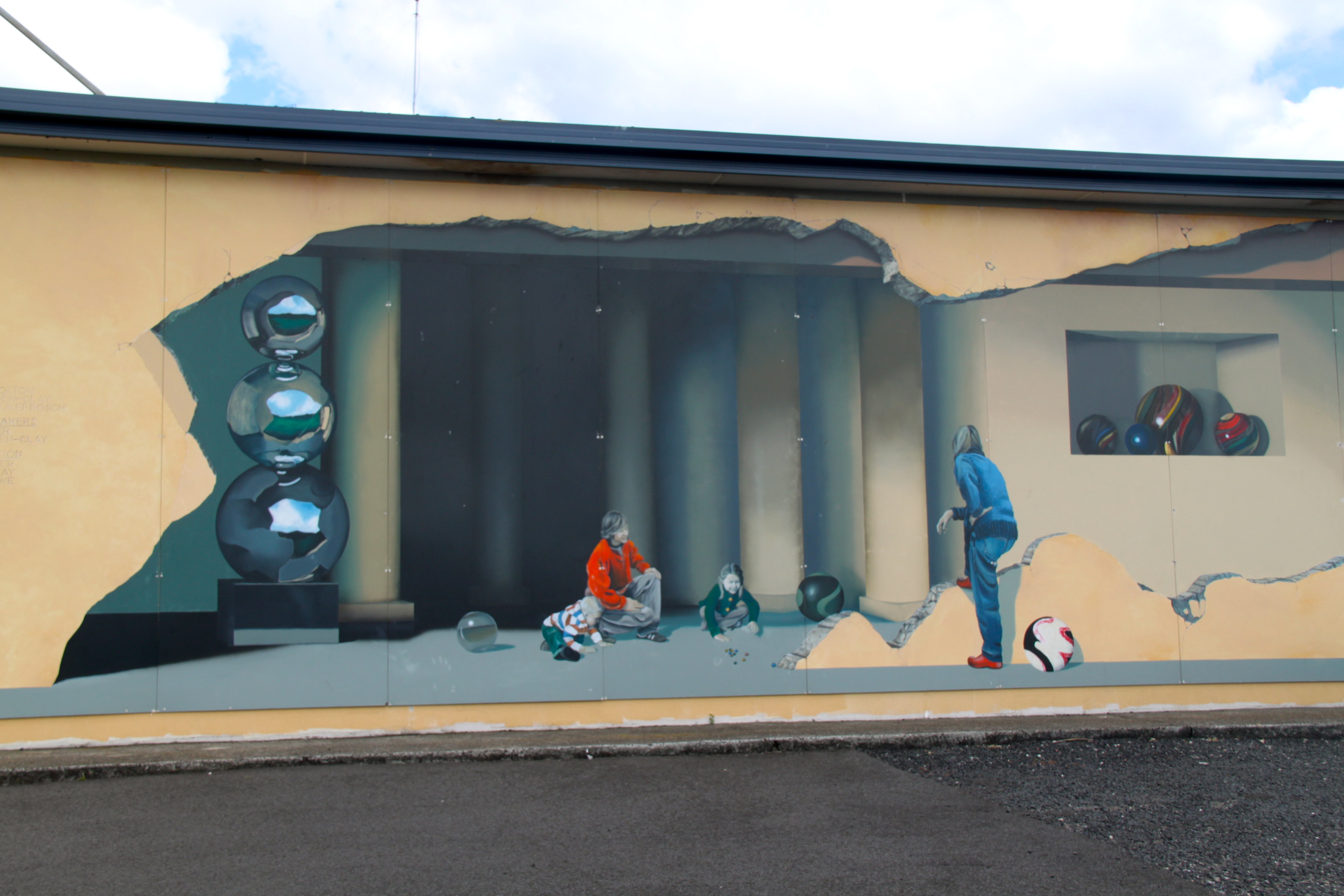
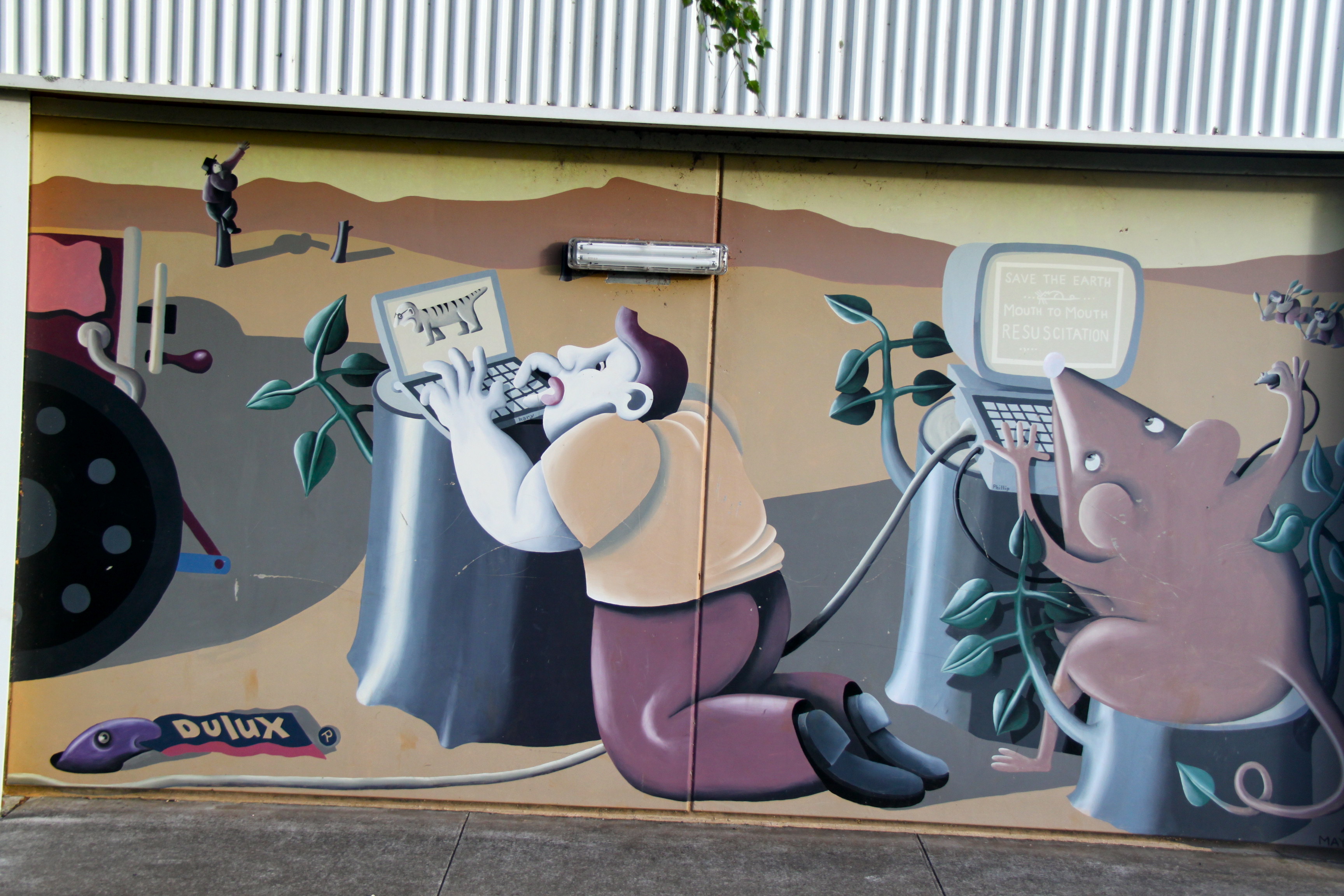
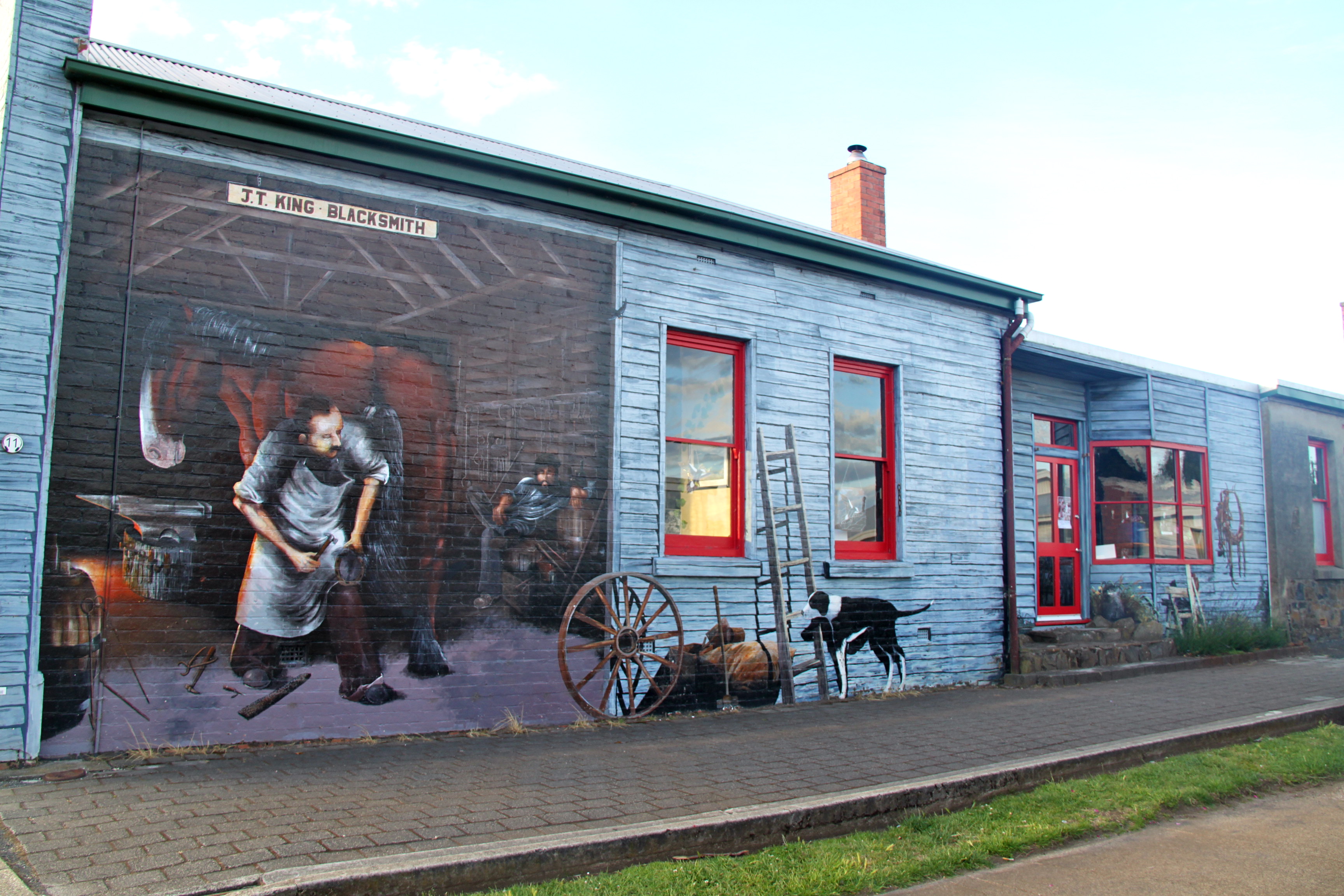
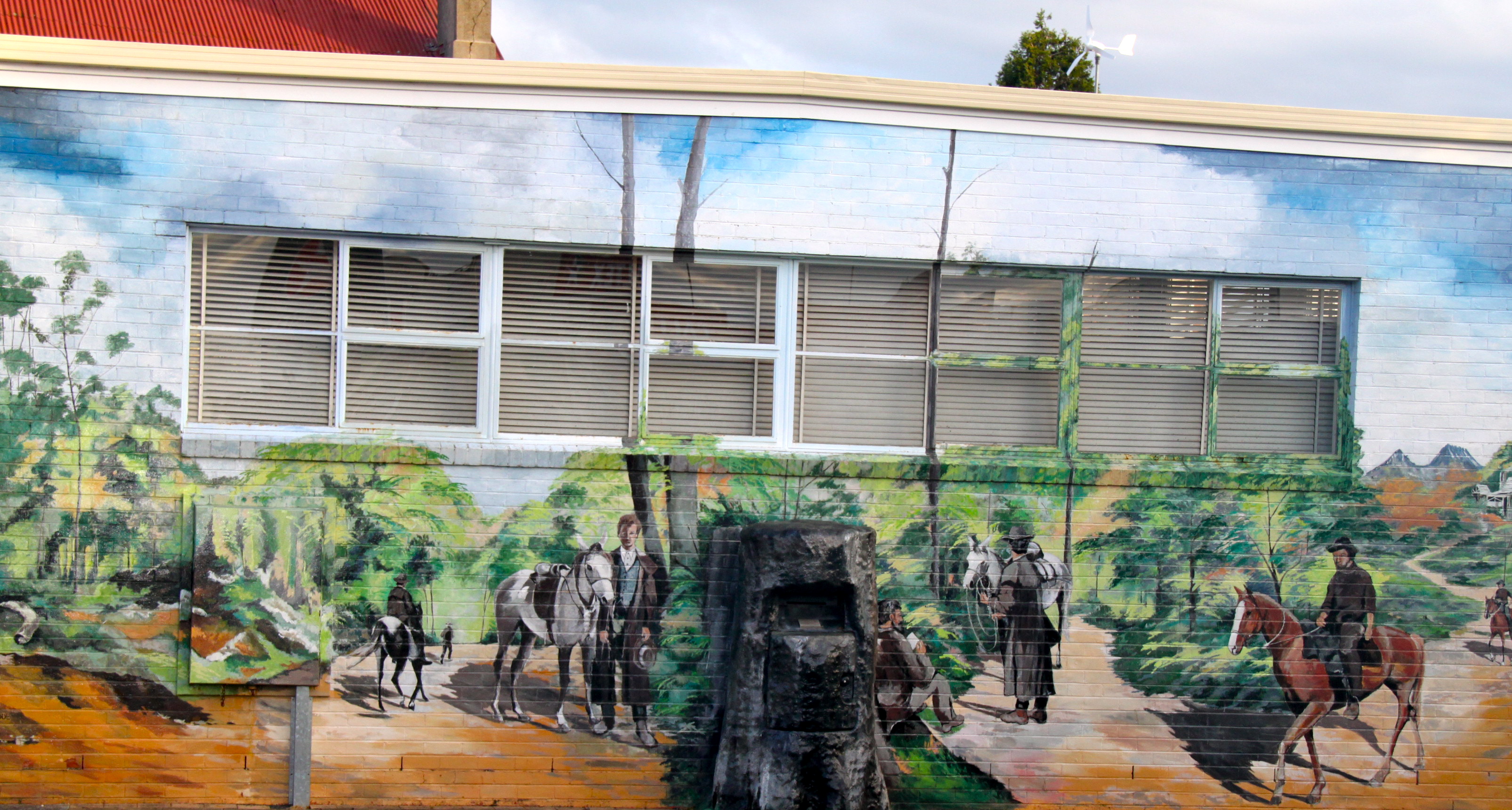
It can definitely be described as an open-air art gallery. There are murals painted everywhere and the artwork is simply spectacular.
No words are needed to describe this quaint and pretty town! We will let the photos of the murals canvasing the streets do the talking. Hope you enjoy our photo essay.
(Photos taken by wisemonkeysabroad.com)









Share this:

buying a turkish rug: genuine or not?
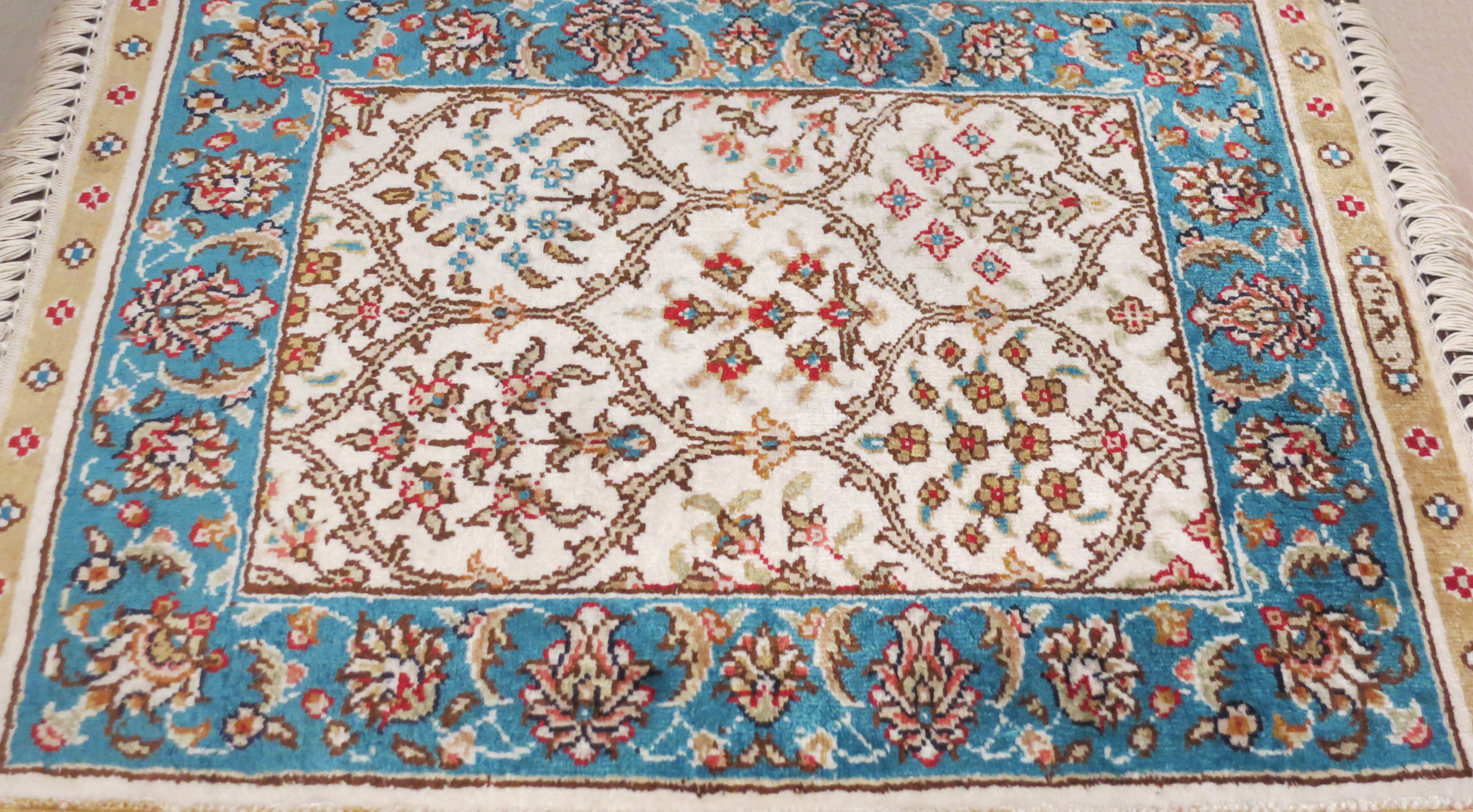
Weaving a Turkish rug by hand is a skill that produces a work of art, and due to the increasing number in machine-woven products, this is becoming a fast dying art form. Owning a genuine Turkish rug is an investment as the market is now flooded with fake rugs. And finding a genuine Turkish rug is becoming a rarity.
Turkish rugs are renowned and so how can one tell
- if it has genuinely been woven by hand and NOT by machine?
- which is silk and which is mercerised cotton?
Here’s what we learnt from our few hours at a rug workshop in Turkey.
Background
To keep the trade alive, especially in the rural areas, the women are trained at the workshop for approximately 3 months. The first rug they complete is considered theirs to keep as a “reward” for their training. The second rug is assessed and, if the rug is approved, the woman officially becomes a rug weaver and can weave from home. All equipment is provided.
The weavers have patterns to use when weaving rugs. Each one is different and depending on the region/era that the rug is made, the colours and pattern can vary. With their religious faith, they believe only Allah (God) is perfect so no rug will be weaved as perfectly as the pattern. Each rug, in fact, will have a slight flaw or error, usually unnoticeable but not always.
To weave Turkish rugs, weavers use a 2-knot technique which essentially makes the rug stronger, tighter and easier to clean. Ultimately this results in durability as well. But this also means that it takes longer to weave. A Turkish rug can take anywhere from months to years to hand weave. When explained to us, we could understand how the amount of work and skill put into weaving a rug justifies the cost of a genuine Turkish rug. To ensure the women can maintain their trade, they are expected technically to have regular breaks (approximately every half an hour or so) throughout the day.


Hand or Machine?
A few tricks of the trade to help identify whether a rug is hand woven or not
- Hand woven rugs should be stored rolled up in shops. The quality should be questioned the moment rugs are kept flat and stacked on one another.
- Hand woven rugs when flipped over on the reverse side will have an almost identical pattern as its front.
- The tassles on the ends of the rugs are part of the rug and not “stitched” on. The rug should be woven in between the tassles.


Is it really silk?
Mercerised cotton and silk have very similar appearances. But the difference between the two materials is silk can’t be set alight when brought close to a flame or won’t “fluff” when a coin is rubbed against it. Silk rugs can last hundreds of years and when you look at it from different angles, the colours on the rug will appear as different hues.
The process to obtain silk from silk worms is a process in itself. From one silk worm cocoon, a mile (1.6 km) of silk, on average, can be extracted. And when silk is woven, it was described as being as strong as steel. That certainly raised our eyebrows.
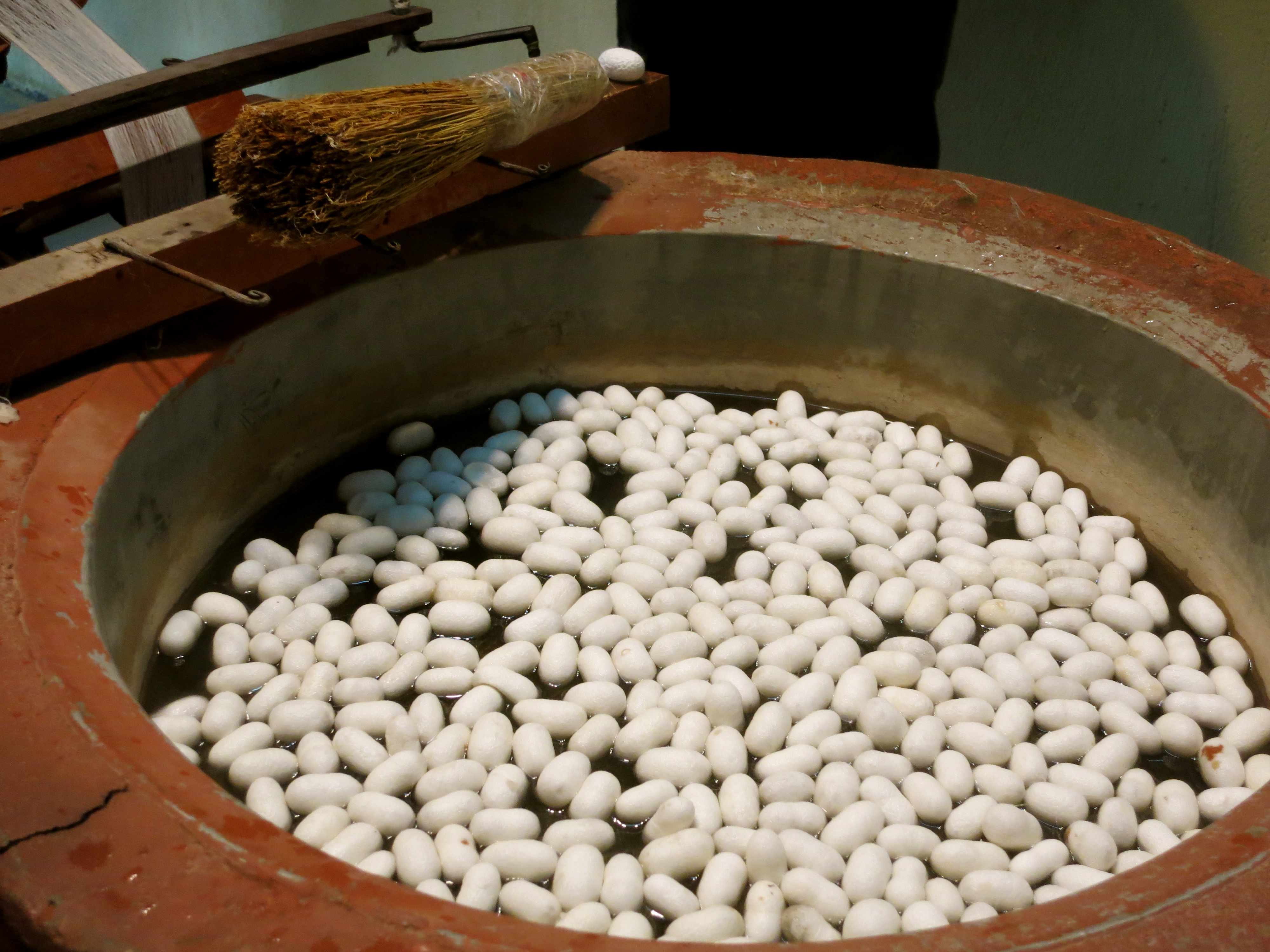
We visited the carpet weaving workshop, nearby to Saklikent Gorge, certified by the Turkish Government and the Carpet Weaving Association. Buying at these Turkish Government workshops, we were told, you will get an authenticity certificate posted to you within 6-8 weeks. Ours arrived within 2-3 weeks of us returning home. Depending on the size of the rug, it can be arranged to be shipped to you. Because ours was a small wall-hanging, we figured we would just carry it home with us. They packaged it really well.
Almost 3 months on, we still are yet to frame our “rug” and find a spot on the wall for it. At the moment, it is sitting underneath our World Map and acts as a reminder of a magic carpet that can take us anywhere 🙂

Share this:

- ← Previous
- 1
- 2
- 3
- Next →
 wise monkeys abroad