
unesco
the day we went to jungfraujoch
Jungfraujoch has eluded us once again but we did get one step closer this time!! Maybe next time – we will actually see a view.
Back in 2006, our day excursion to Jungfraujoch was cancelled so we never even got to go up to the top of Europe. At least this time round, we did!
It was three trains up: (1) Interlaken Ost to Lauterbrunnen (2) Lauterbrunnen to Kleine Schneidigg (3) Kleine Schneidigg to Jungfraujoch
We made it up there but what did we see?? Nothing when we got to the top, except snow and white clouds. Well, actually we lie a little… It was blowing a “blizzard” (at least that is what it felt) when David ducked outside to take this photo!
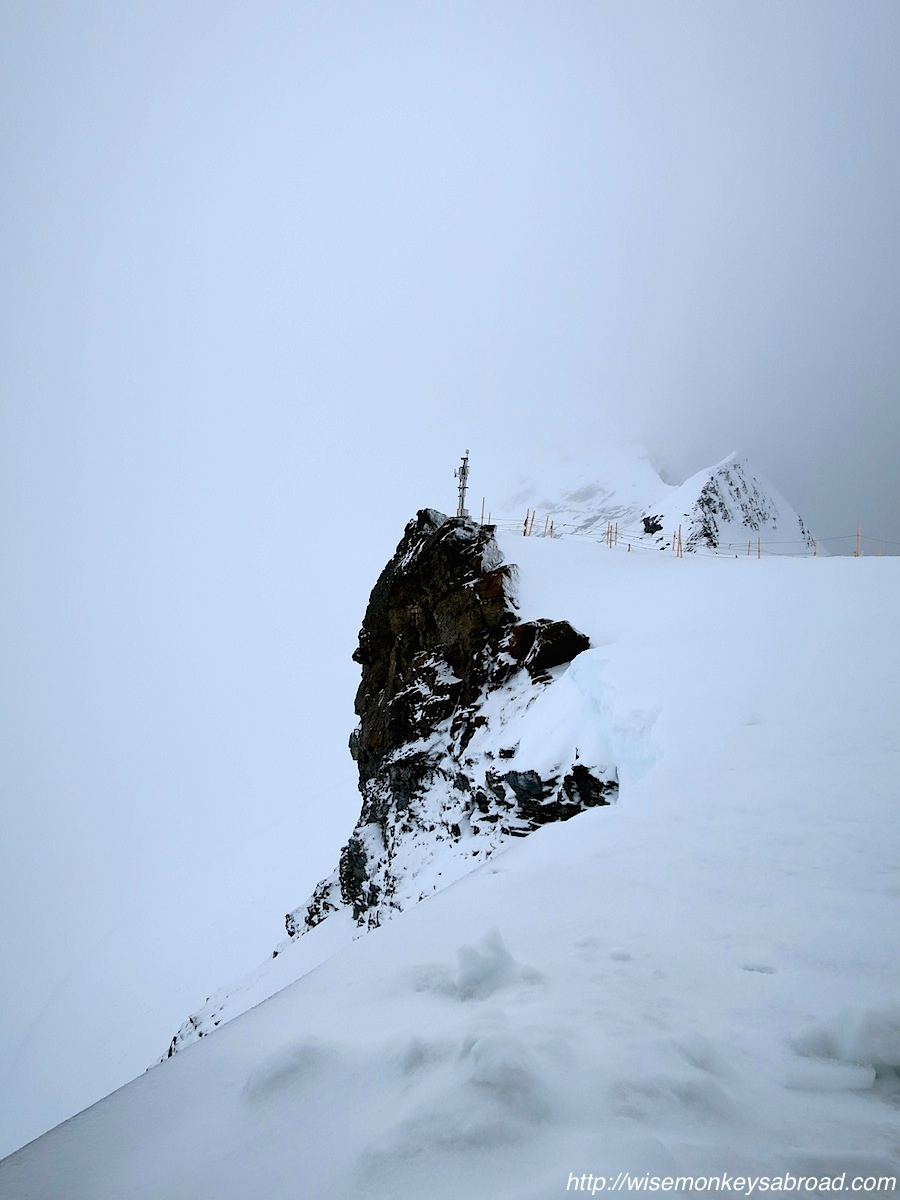
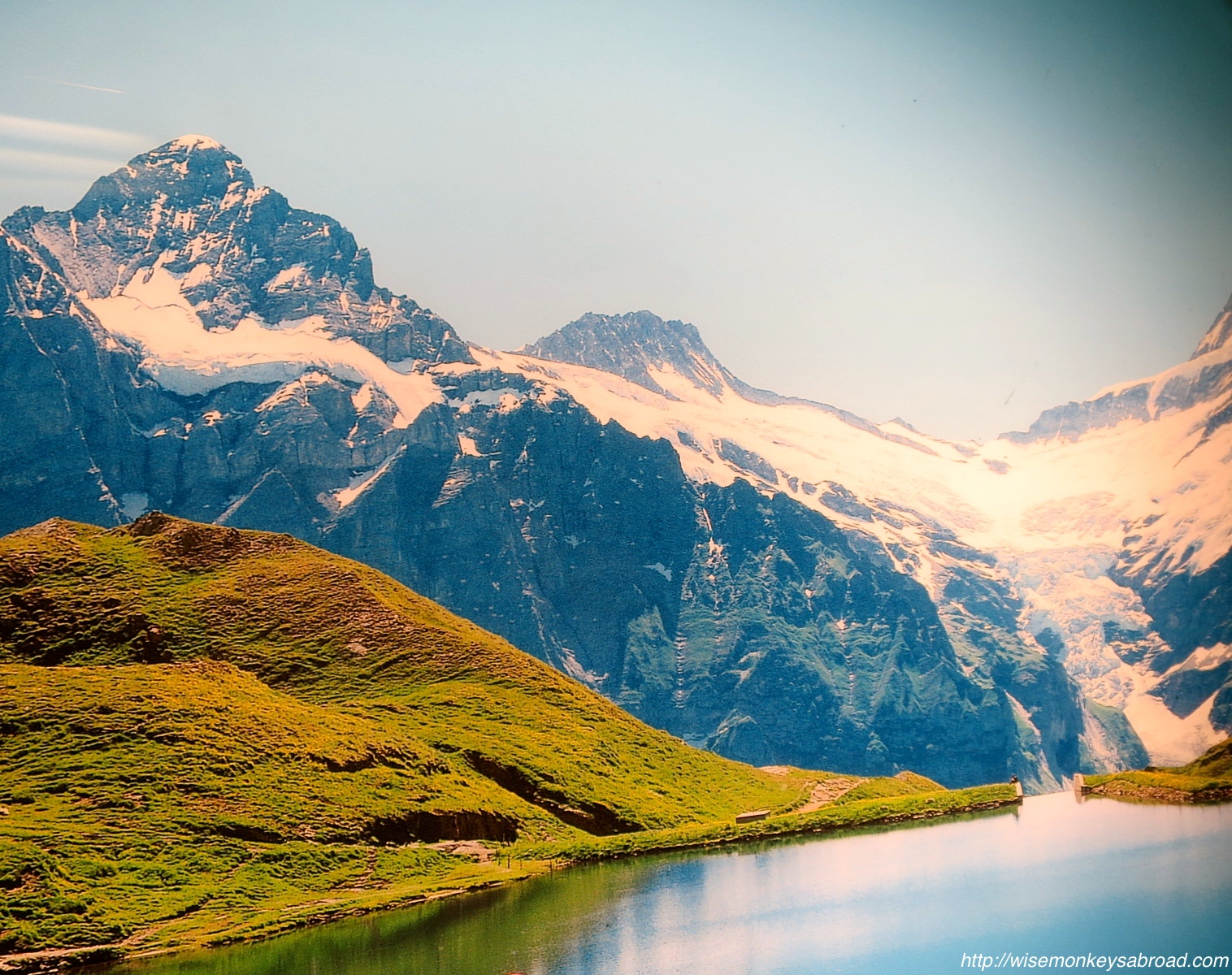
Up to 3454 metres (11 333 feet) where the air was thin, Le was feeling a little woozy from the high altitude so maybe it was a good thing we didn’t see much! So we took this photo of what could’ve been:
 Then it was time to come down…. three more trains down the other side of the mountain (1) Jungfraujoch to Kleine Schneidigg (2) Kleine Schneidigg to Grindelwald (3) Grindewald to Interlaken Ost.
It couldn’t have been a foggier day to be up there. It was raining and the train trip up and down was somewhat scenic at least. Especially on the way down when we got glimpses of blue sky and this adorable mother & baby pair 🙂
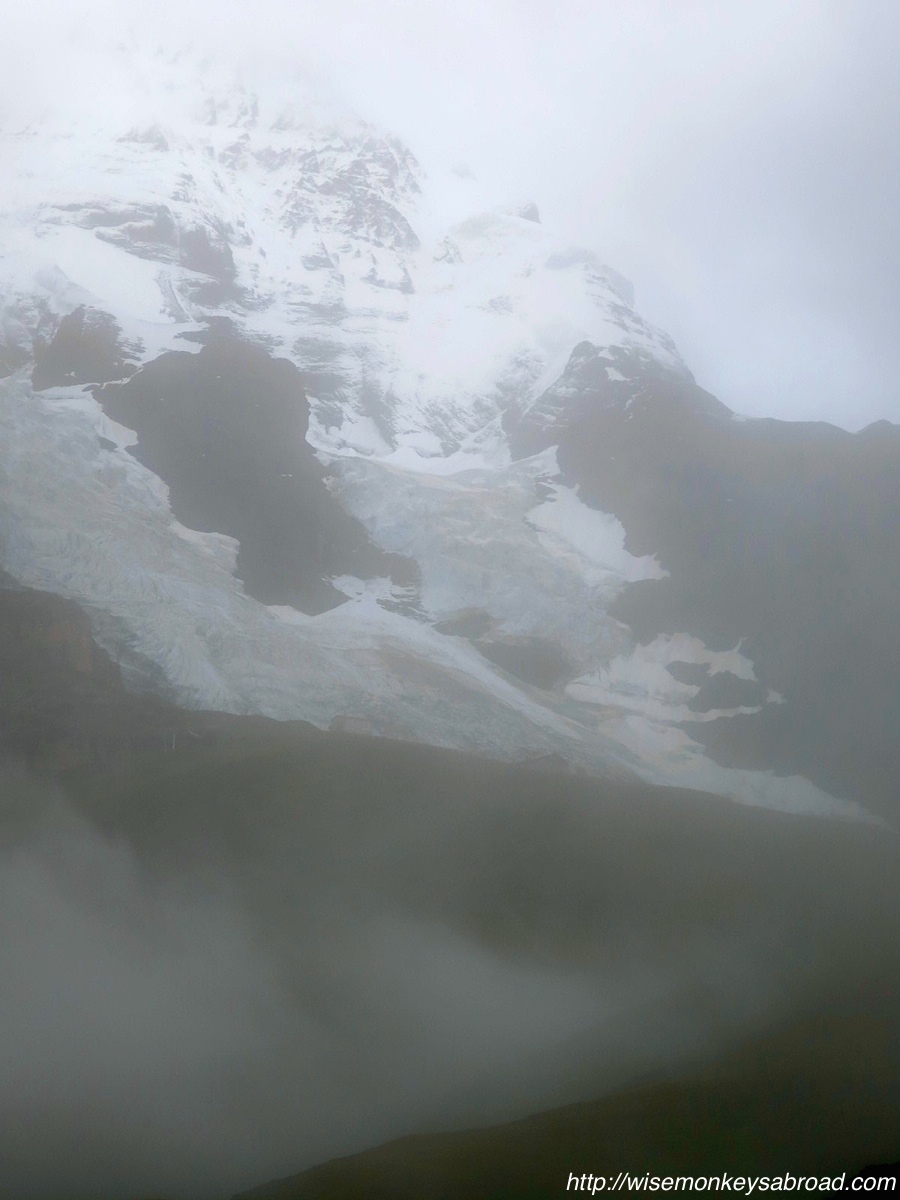

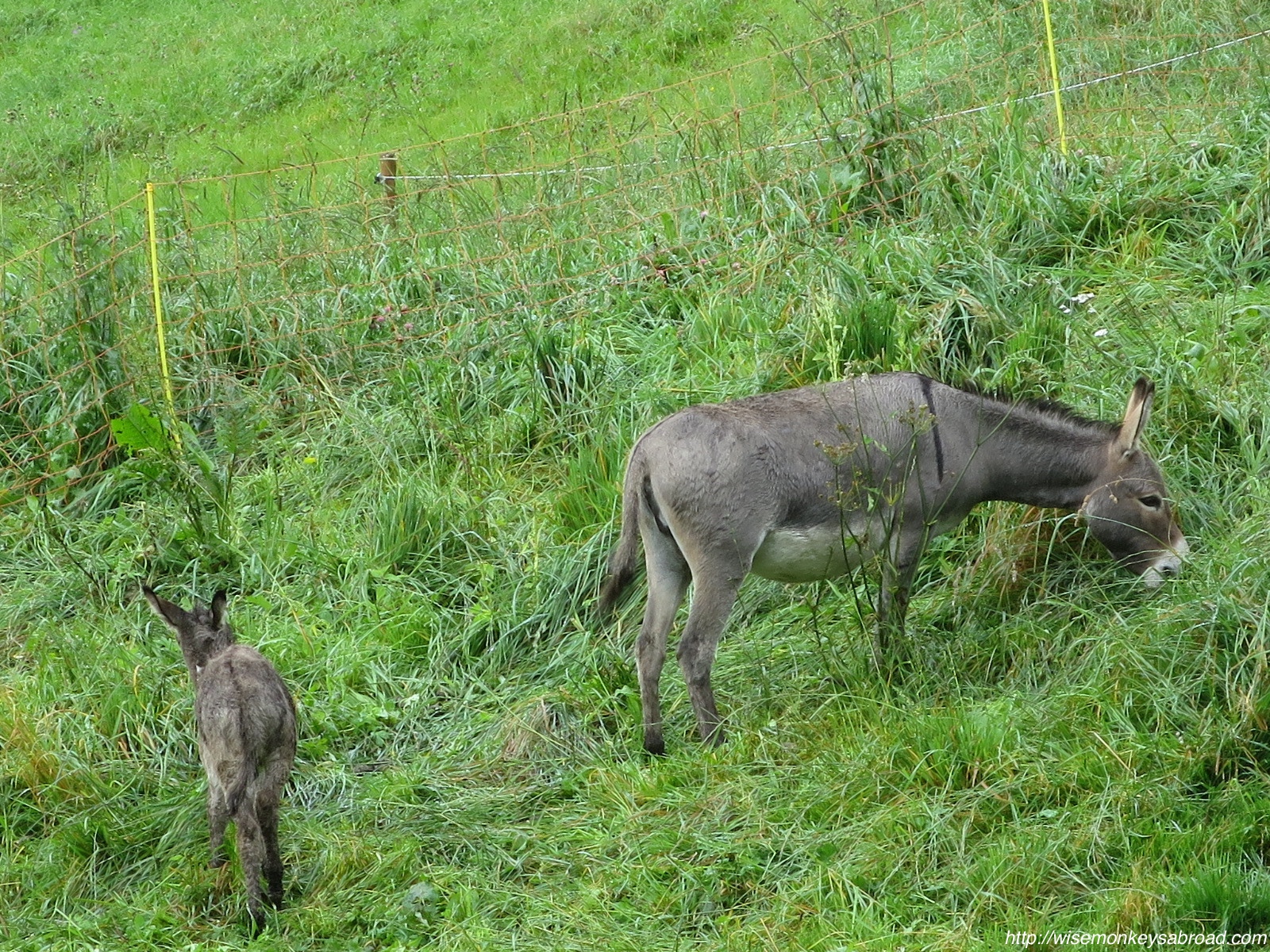
Although the weather wasn’t ideal, we still enjoyed ourselves thoroughly! Last time it was in November, this time in August… think we will aim for June for next time – as the saying goes, “Third time lucky.” Fingers crossed!
Has there been a travel experience that seems to keep eluding you?
Leave us a comment here
Swiss Alps Jungfrau – Aletsch was listed as a
UNESCO Heritage site in 2001.
To see the other UNESCO sites we have visited,
visit our unofficial bucket list
Share this:

auschwitz-birkenau: one of the emotionally toughest places we have ever visited
Leisure travel can be associated with feel-good moments, adventure and lots of photographs for memories! But it’s not always that. There are times when travel is not a joyous experience but a valuable one all the same.
Being in Poland and witnessing with our own eyes the sites of the major concentration/extermination camps added a whole new dimension to what we already knew.
At the beginning of the guided tour of Auschwitz, we took a few photographs but upon entering the buildings, it simply didn’t feel right. Photos are allowed in most areas but we couldn’t bring ourselves to photograph for reasons we can’t quite explain, maybe out of respect(?), we just don’t know! So this post contains only 2.


“Despite everything, I believe people are really good at heart” – Anne Frank
After visiting Auschwitz-Birkenau concentration camp, we have to say that it was VERY hard to believe that some of those who ran those camps had a heart at all.
What words can we use to describe seeing and walking through the camps? Confronting, heartbreaking, gut-wrenching…. The thought of such atrocities still brings tears to our eyes.
Seeing the tons of hair that had been shaved from heads, the pile of thousands of shoes and mountain of suitcases of those sent to the concentration camps was very overwhelming. The 1.3 million people murdered at these camps became “individuals” right before our eyes. All these images we have seen before in reference books or in other museums but seeing the actual items seemed to hit home a lot harder!
To hear about the medical tests inflicted on individuals, witness the living conditions and walk through the gas chambers and crematorium, it certainly stirred up a lot of emotions. We felt so sad but also felt sick in the stomach at those who were able to commit such crime upon others.
Visiting Auschwitz-Birkenau is not a “tourist attraction”, it educates! It teaches us that we should never let such horrendous acts happen again to anybody on this Earth.
Auschwitz-Birkenau holds so much significance that everyone should visit at least once in their lifetime to pay respect to those who died in concentration camps.
“To forget the dead would be akin to killing them a second time” – Elie Wiesel (a holocaust survivor)
Share this:

weekend walks: wielickza salt mines
Wielickza Salt Mines is about 10km south of Krakow, Poland. It was built in the 13th century and is one of the world’s oldest salt mines. But… it’s not just any mine. It is filled with dozens of statues, three chapels and a cathedral.
To enter the mine, we needed to take a three-storey lift to head down the mine shaft to about 60-odd metres underground. Each of the lift capsules could hold about 9 people, so it was a tight squeeze.
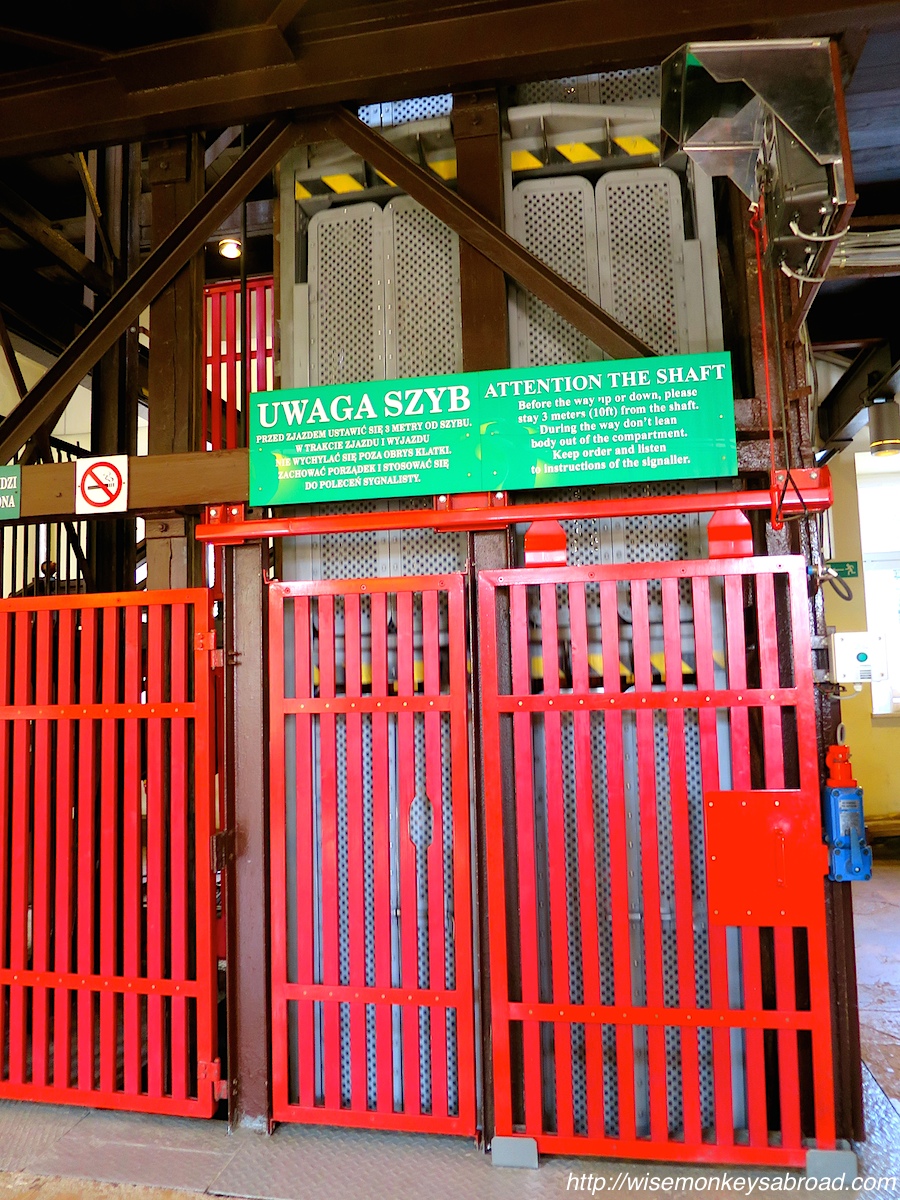
But once down there, it was FAR from “squeezy” anymore. Some parts had ceilings as high as 30 metres. There was a room where the horses working in the mines were kept, so you can imagine the size.


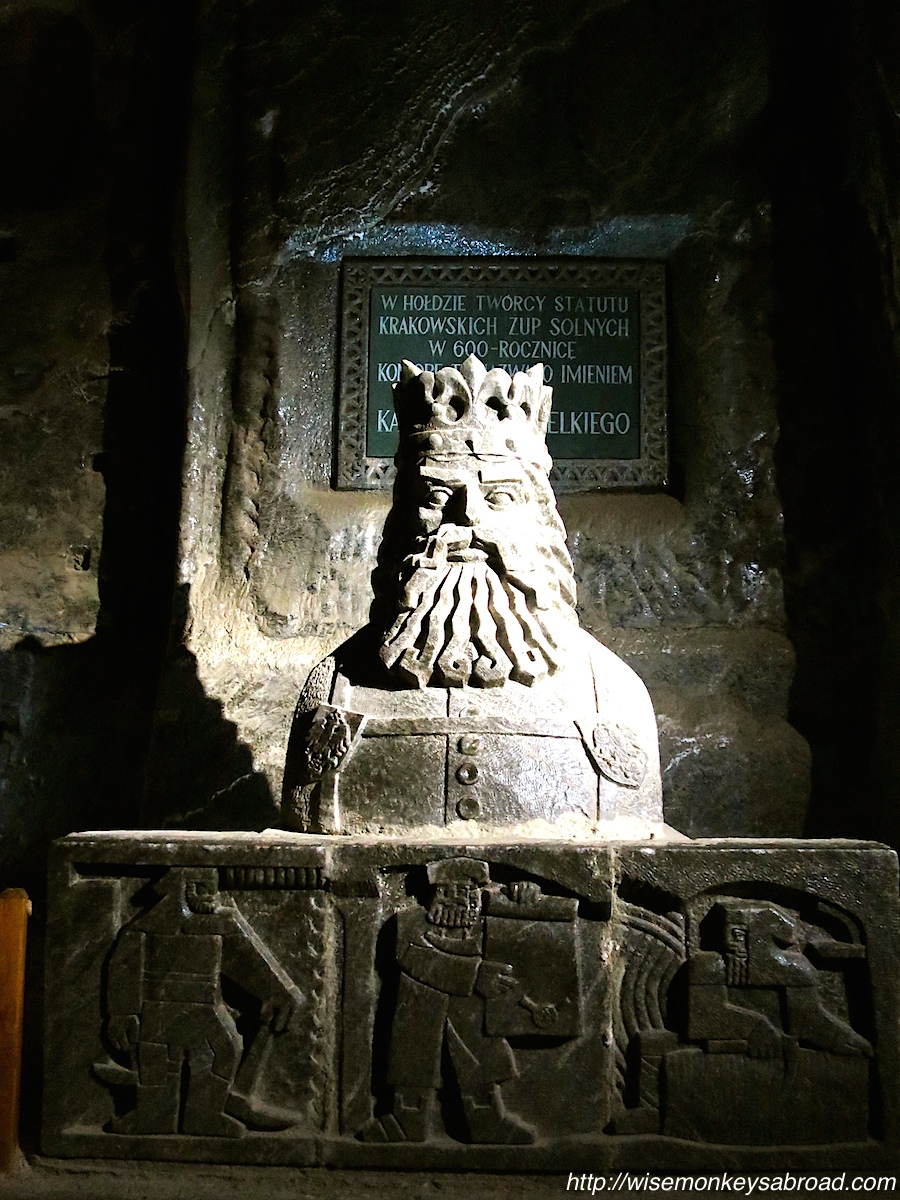
For about 3km, escorted by a guide, we followed the “Tourist Route” which covered about 20 chambers, 2 chapels and a cathedral. What we saw was so unique. Miners throughout the history of the mines carved the statues (out of rock salt) in the different chambers. There really was salt everywhere.



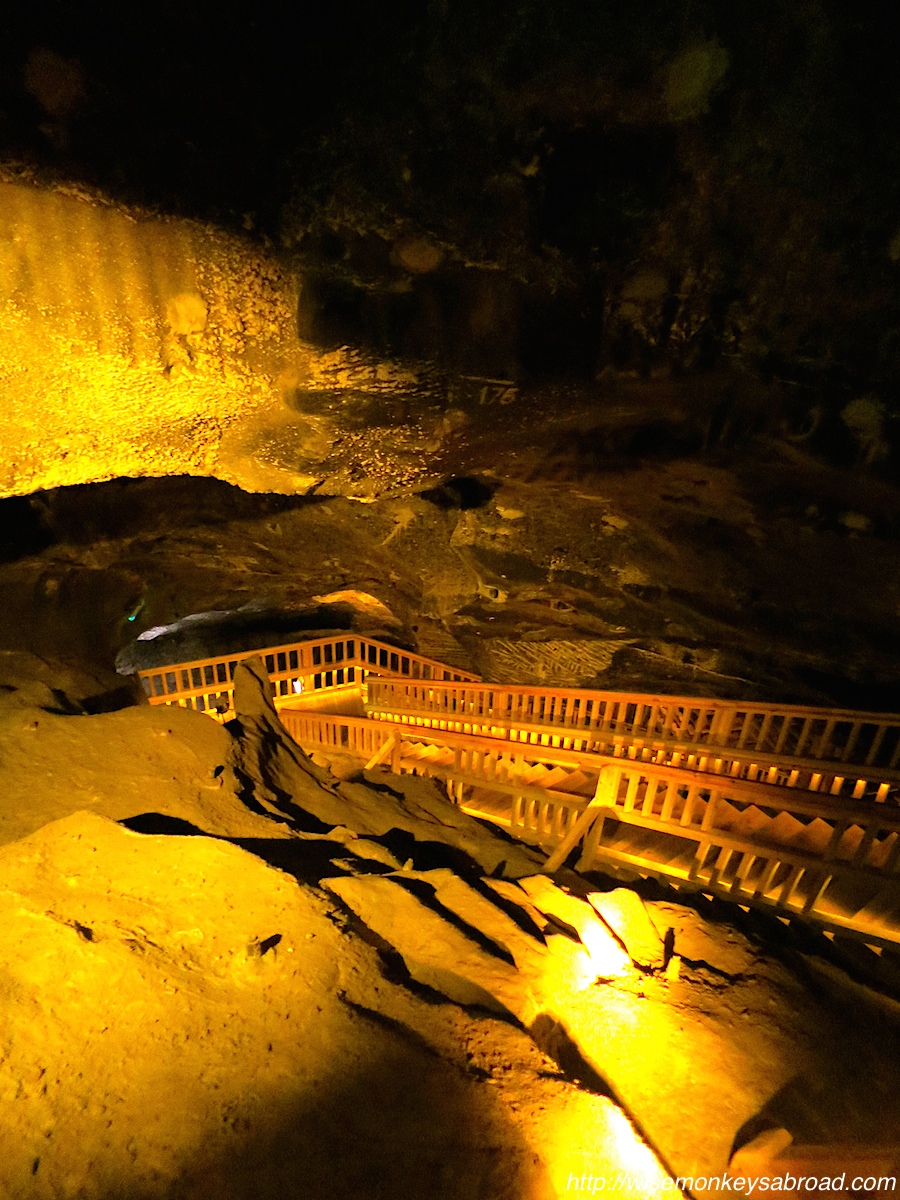
We head down some stairs to reach the lowest point of the mines accessible by visitors on this tour (about 100 metres below surface) and there we saw the manmade lake.

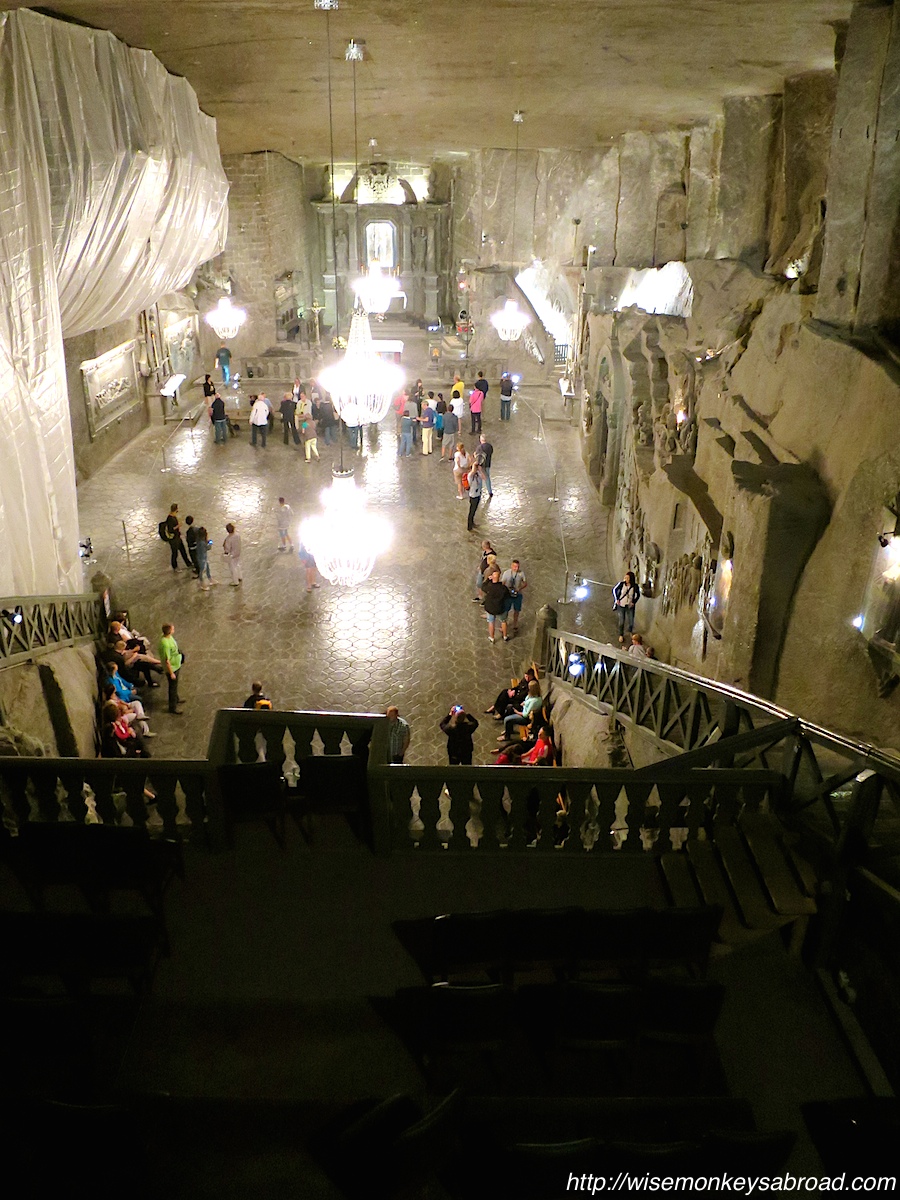
Without a doubt, the most astounding thing we saw was the cathedral, Chapel of St Kinga! The entire cathedral was carved by miners out of the rock salt, including the statues and images on the walls. The Last Supper was the only one carved out by a professional artist and not by the miners.


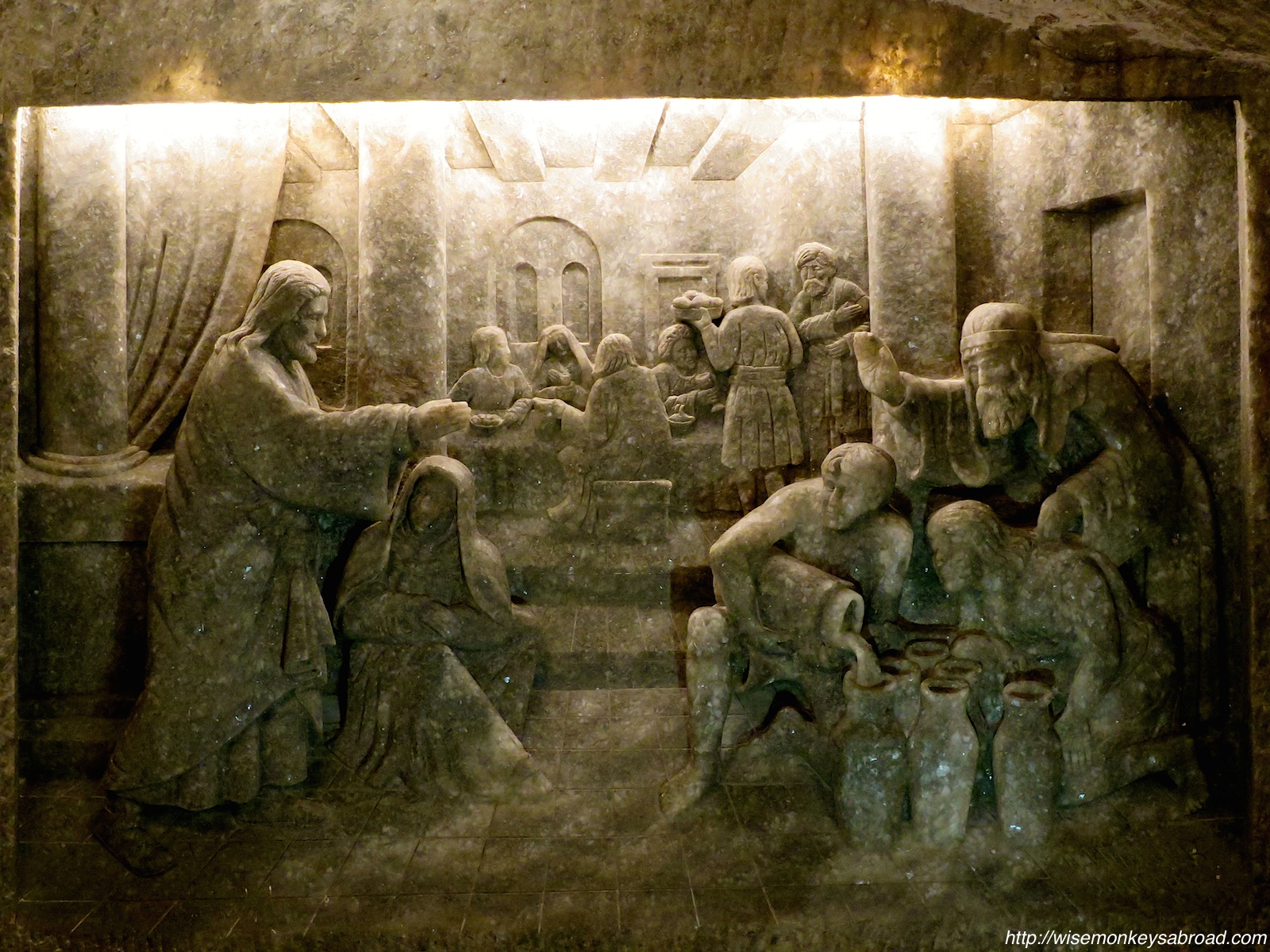
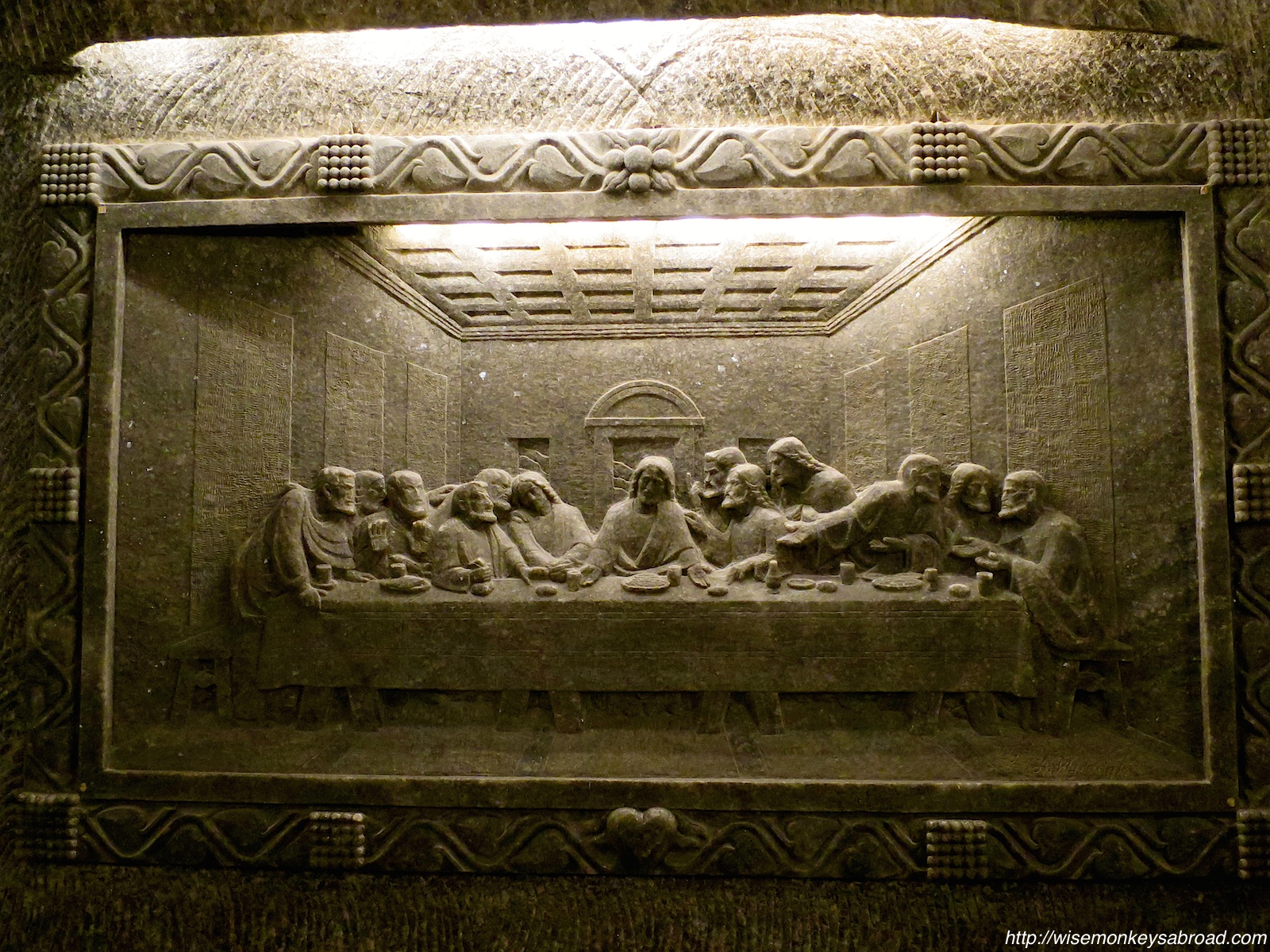
It was a wonderful way to spend a hot summer’s day because underground it was a pleasant 15° Celsius! And down this far, there are an eatery, toilets, souvenirs shops and historically, visitors could bungee jump or go up on a balloon ride!
The Salt Mines are a must if you ever find yourself in Poland.
Tip: Be sure to wear comfortable shoes and bring warm clothing. And can you photograph inside the mines? Yep, but you will need to pay a small fee in addition to your entrance ticket.
Wielickza Salt Mines was listed as a UNESCO Heritage site in 1978.
To see the other UNESCO sites we have visited, click here
Please leave us a comment here
Share this:

weekend walks: the doors of old tallinn
The old town in Tallinn is such a charming medieval town, dating back as early as the 13th Century. The cobbled streets of the town weaves into lane ways and courtyards. Each corner you turn, there is something fascinating to see.
We walked through the streets of the old town for a couple of hours and stumbled across so many churches and merchant houses. But what intrigued us were the doors; each one so unique! The old town simply has so much character. Even the doors have so much character! Here is a selection of the different and interesting doors we came across.
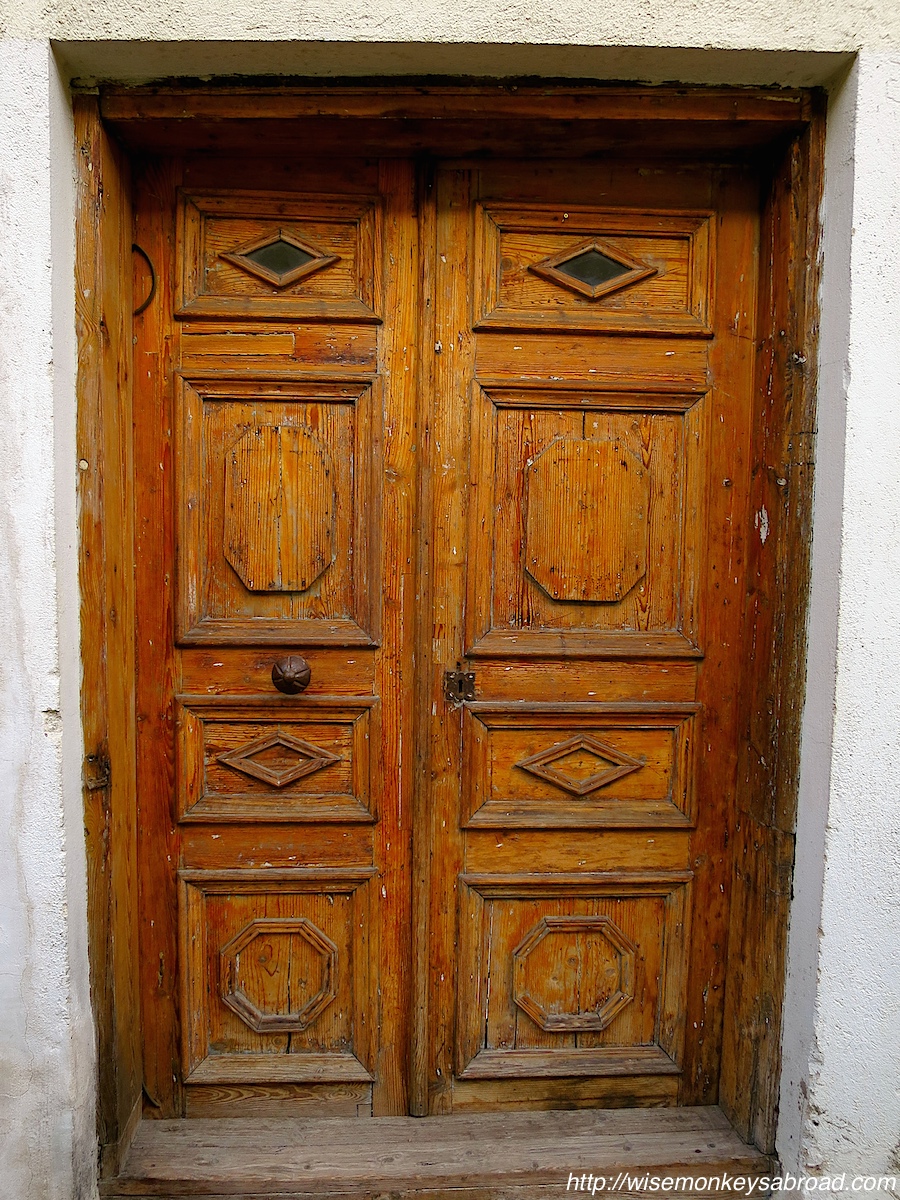
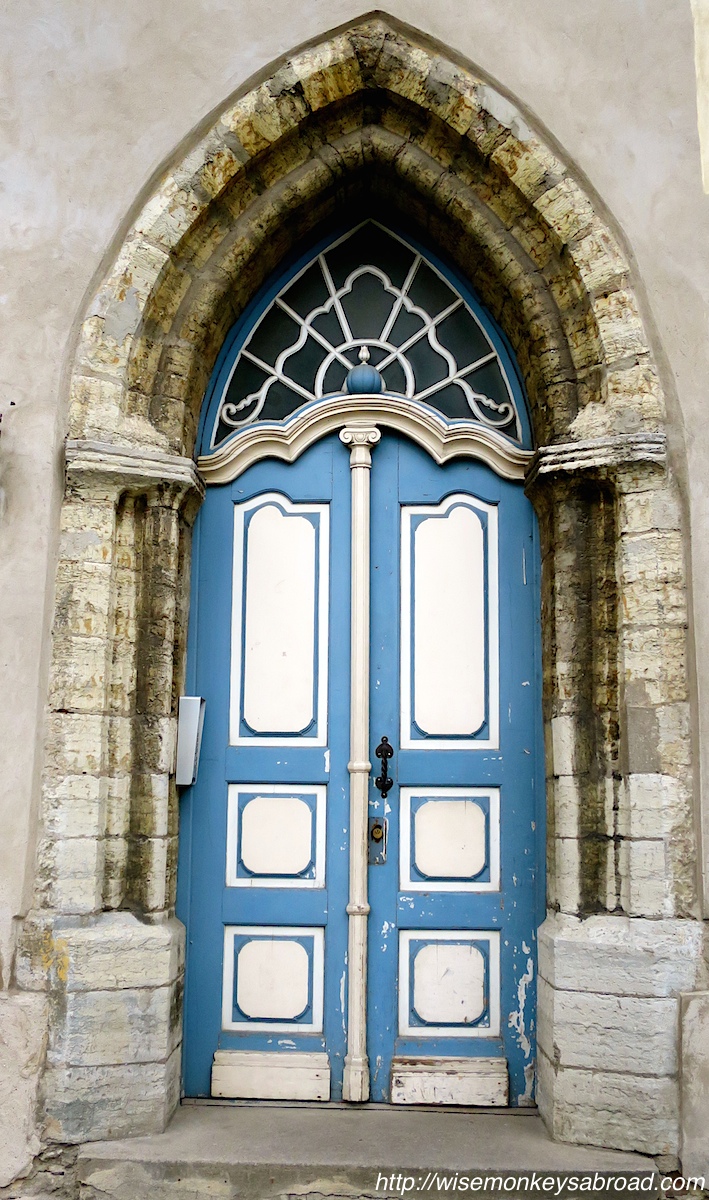


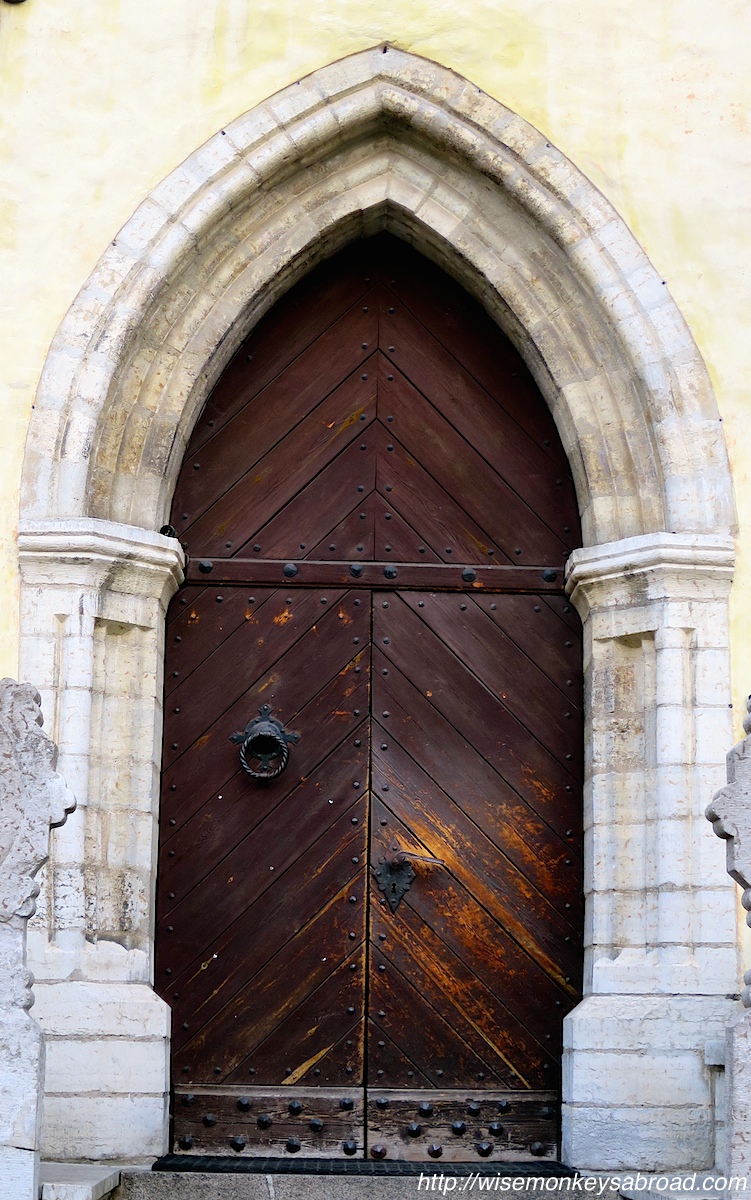


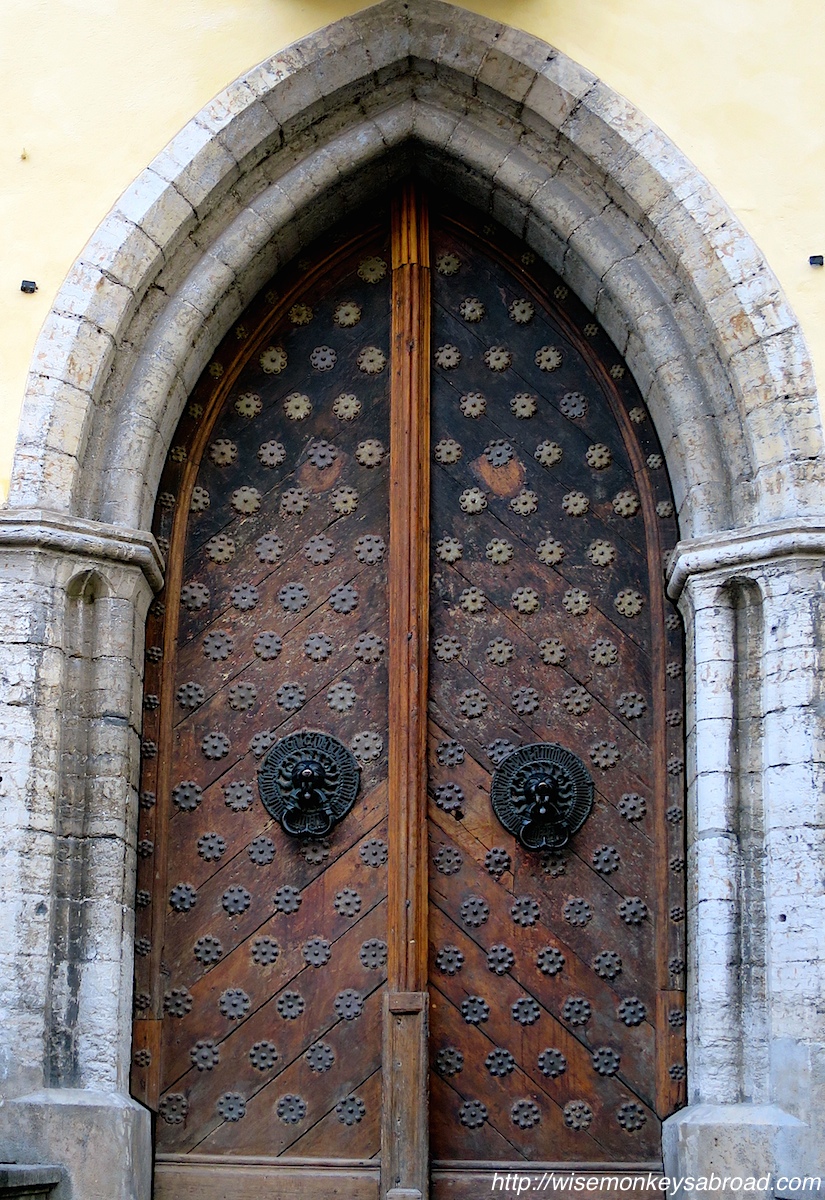
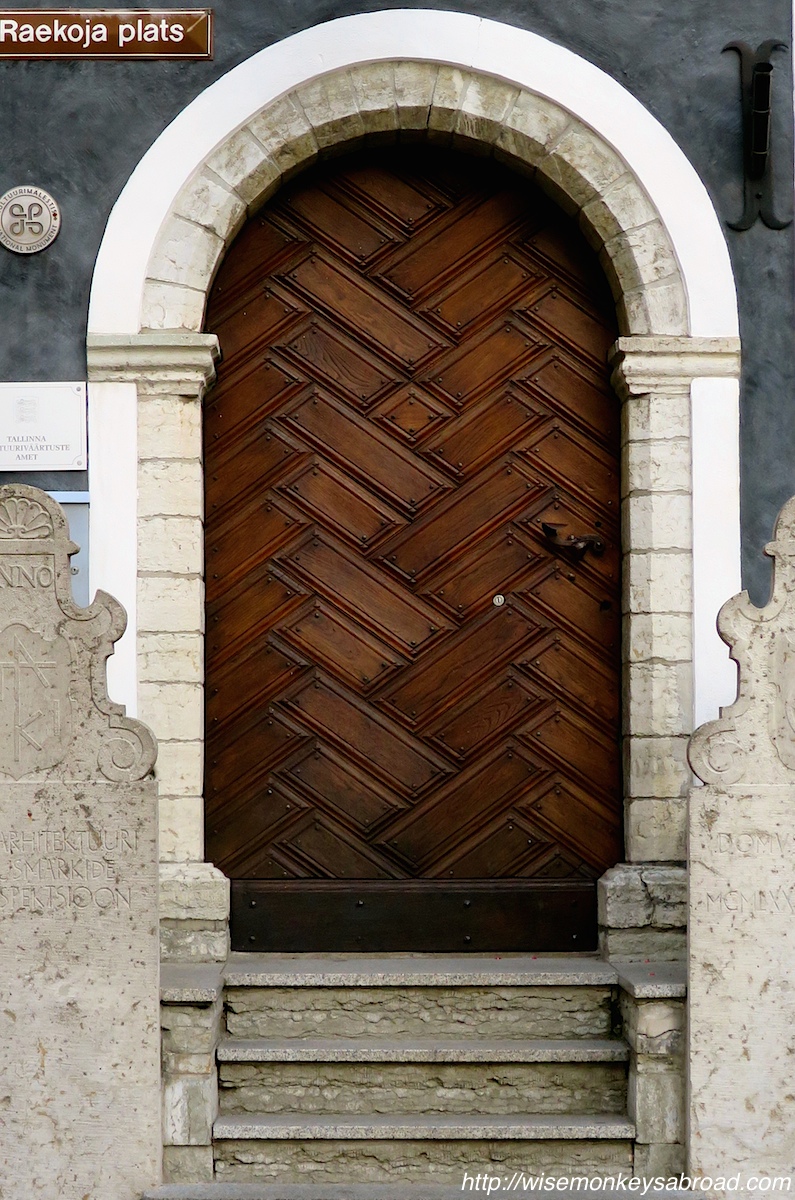
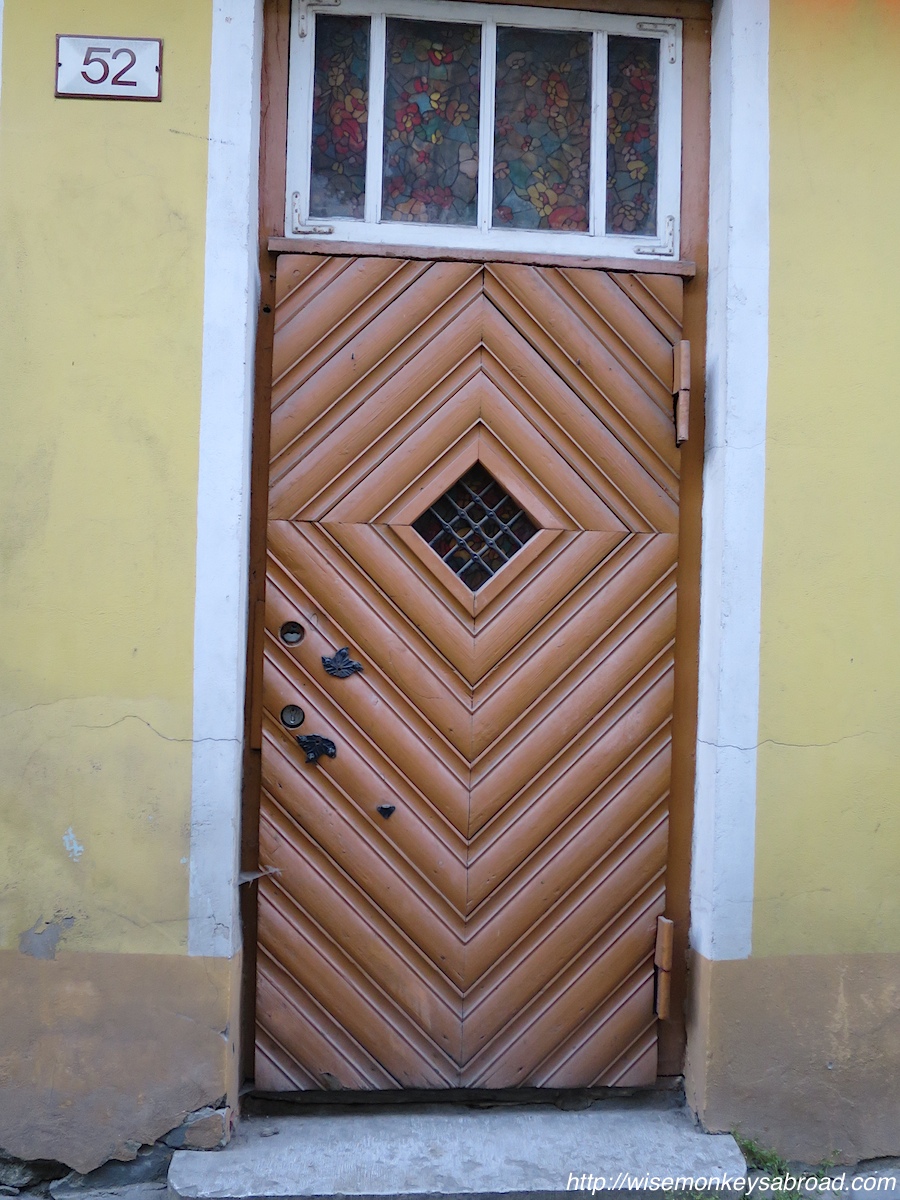


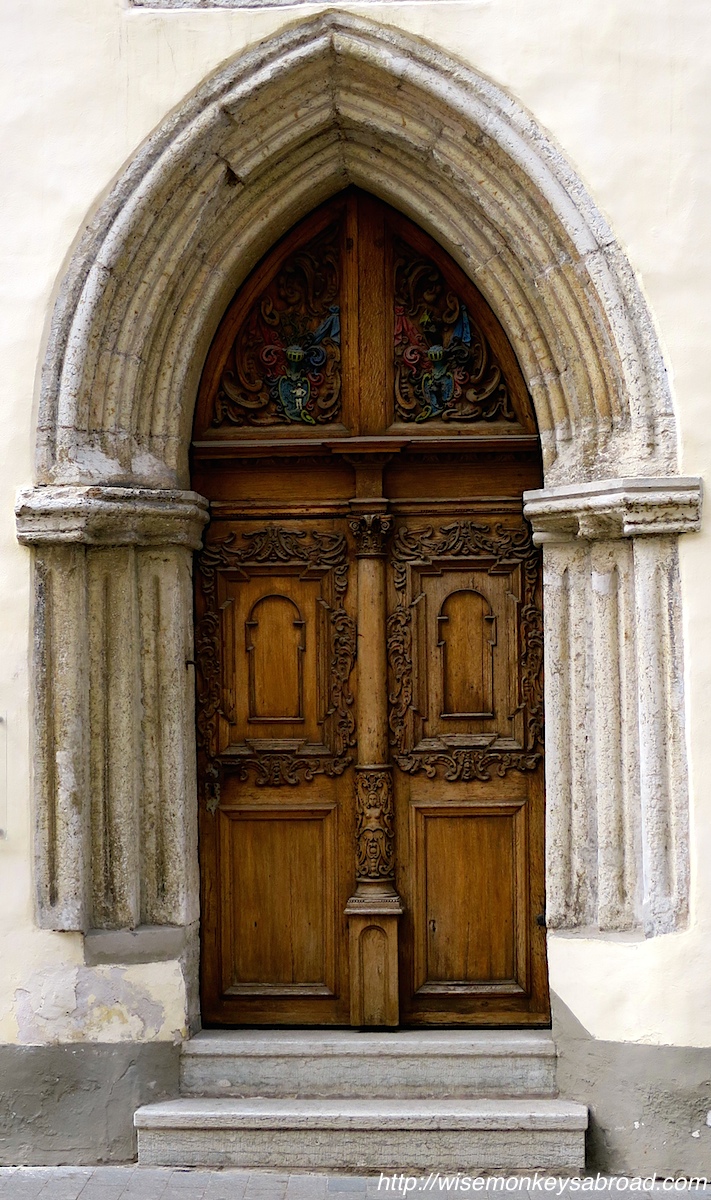
For more of our photos of Tallinn, visit our Facebook album.

 wise monkeys abroad