
UNESCO
re-visiting venice: another unesco
Looking back our photos from when we were in Italy, we ask ourselves: how did we go to Venice and NOT take a single photo of the tables which act as walkways when the tide comes in? The answer is simple, because we were busy taking photos of everything else around us.
It’s a city that is bound to get you pinching yourself and saying, “Can’t believe I’m here!” Venice, in every direction, is photogenic, even if it is a square full of pigeons: over-fed by tourists.
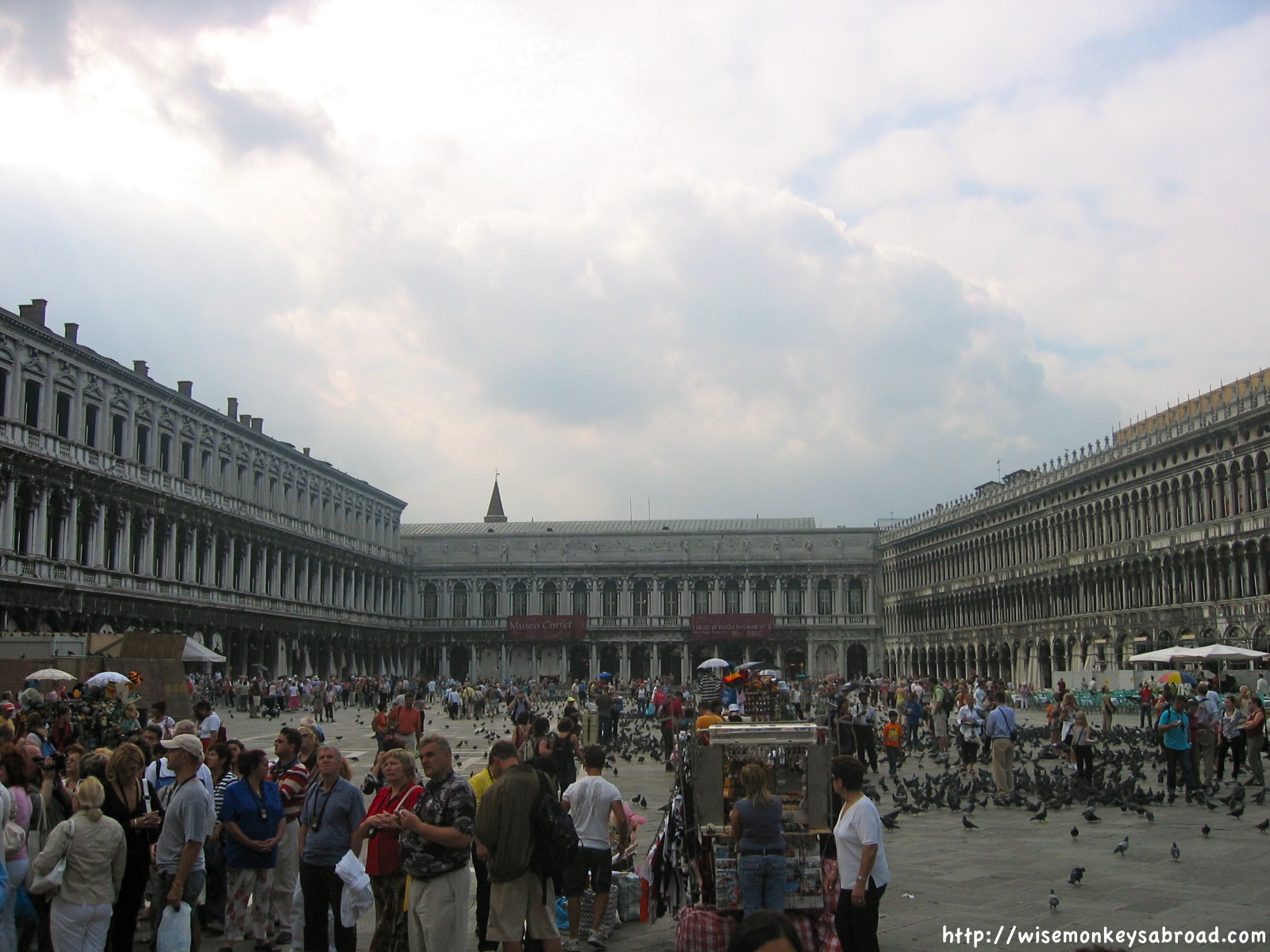

Walking through the over-crowded streets, the aim is almost to get lost rather than not to. Up and over those little bridges with gondolas gliding along the canals, it is just breath-taking (as cliche as it sounds, as cliche as it looks from the photographs and as cringeworthy as it is for us to write that). Venice is what it is and that is beautiful!
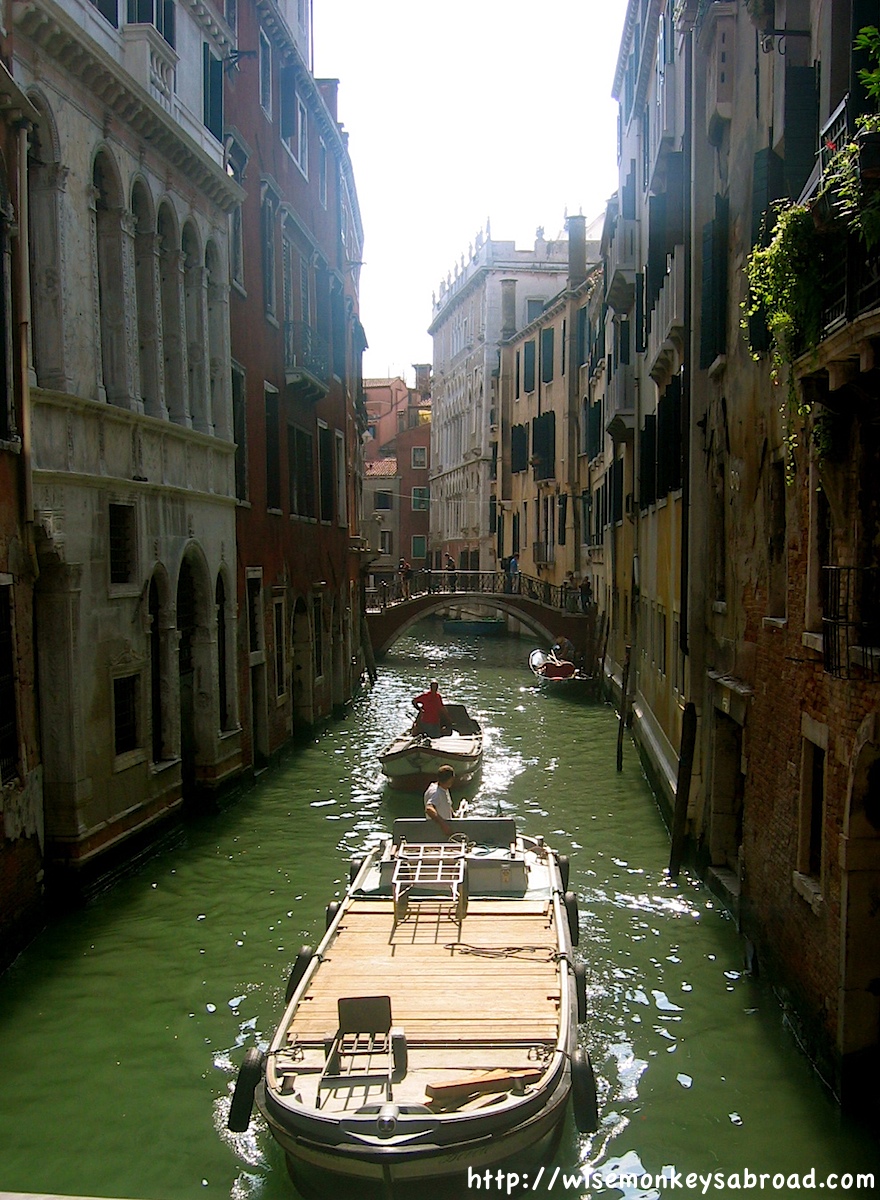
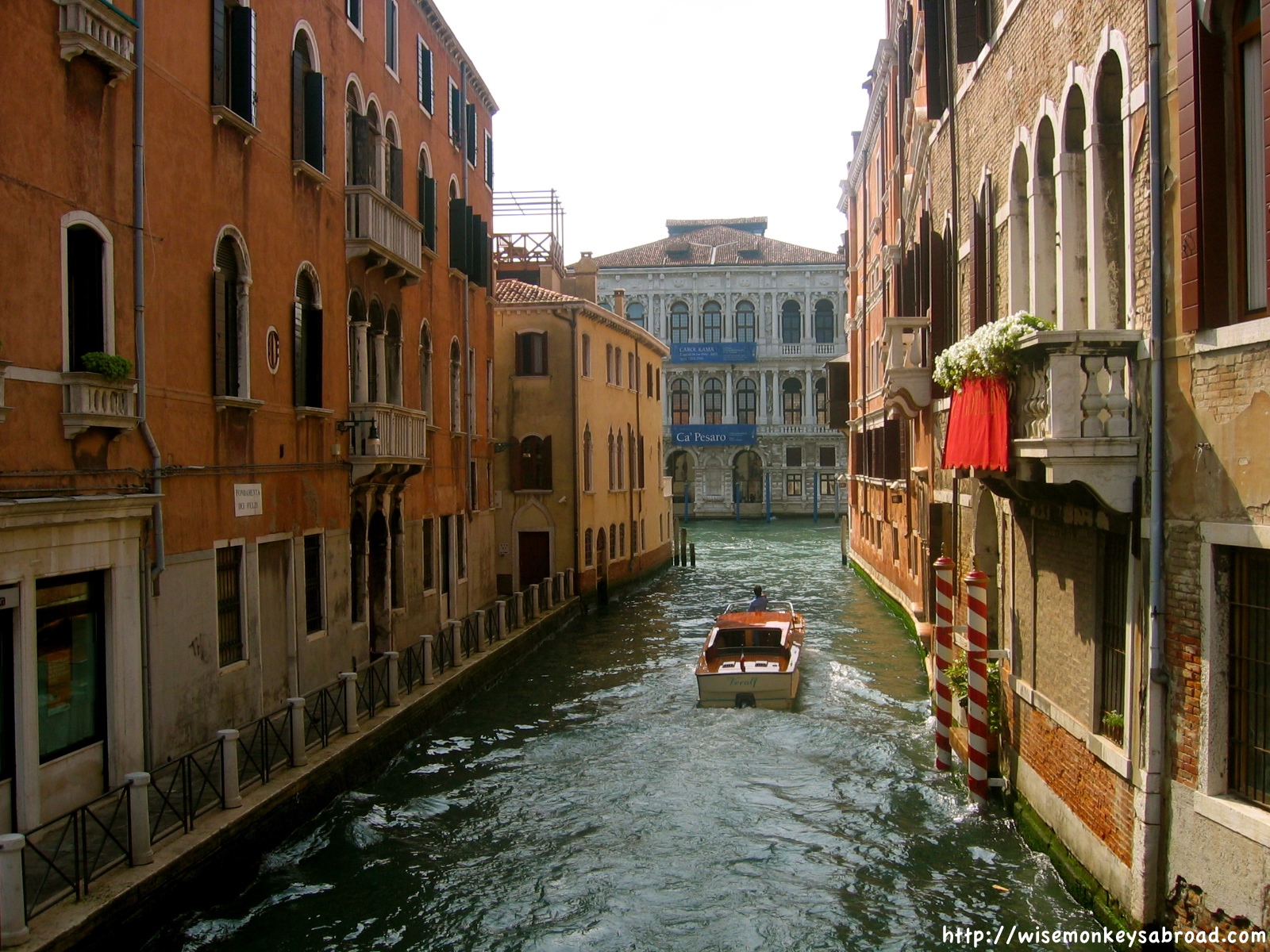


Everyone is entitled to their opinion about Venice and we’ve heard that its smelly, that its over-crowded and over-priced. Heck, call it a tourist trap! It’s a trap that we didn’t mind getting caught in.
Described by UNESCO as a “unique artistic achievement”, Venice was one of the greatest capitals in the medieval world. Built centuries ago, it took some incredible engineering and architectural design to build such a floating city that we still get to see today. We were so glad we decided to add Venice to our itinerary back in 2006, it’s one of those places that we would like to explore again in future. Maybe actually go on a gondola ride…

Have you visited Venice? What did you think?
Venice and its Lagoon was listed as a
UNESCO Heritage site in 1987.
To see the other UNESCO sites we have visited,
visit our unofficial bucket list
Share this:

vietnam’s third unesco site: my son sanctuary
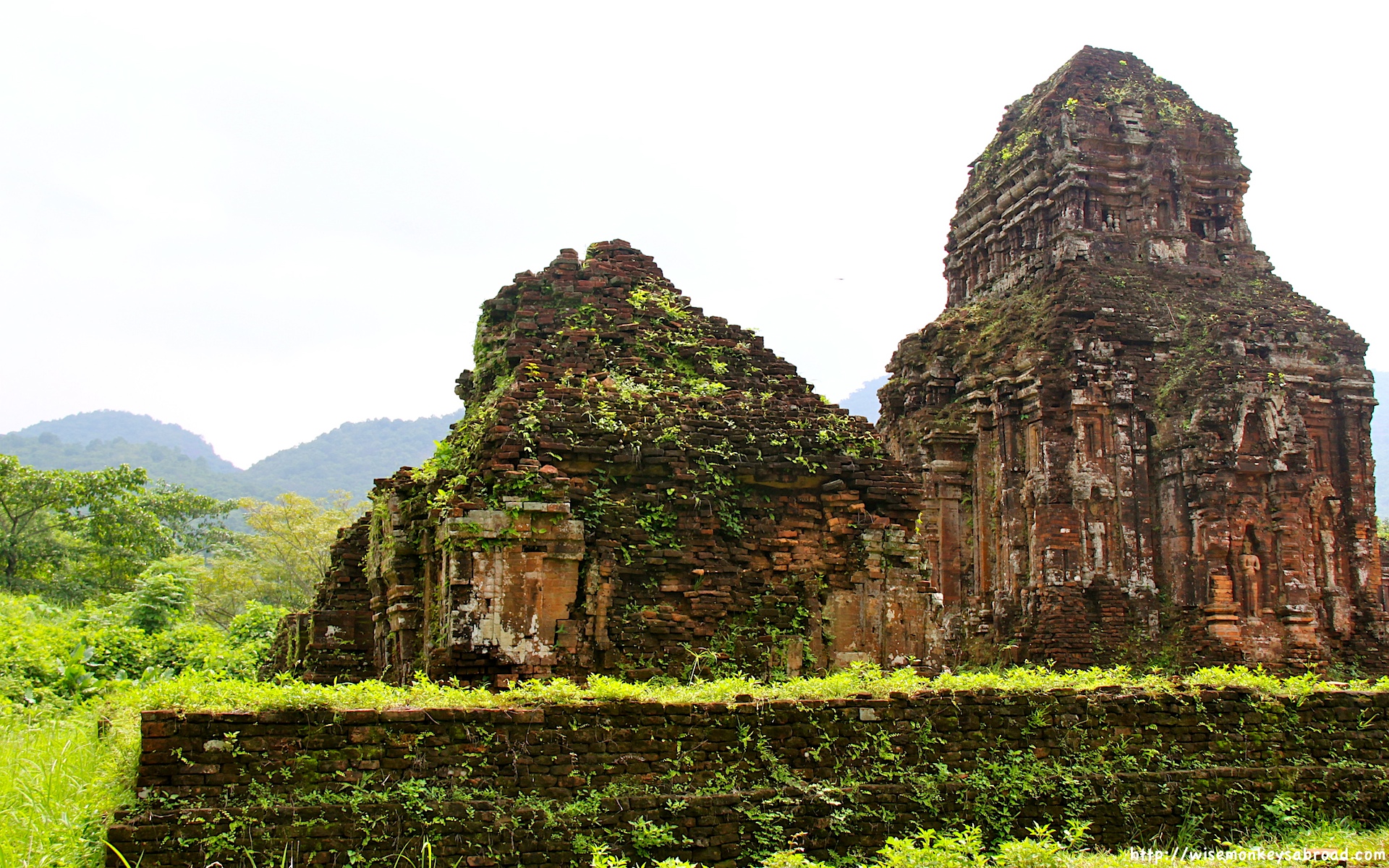
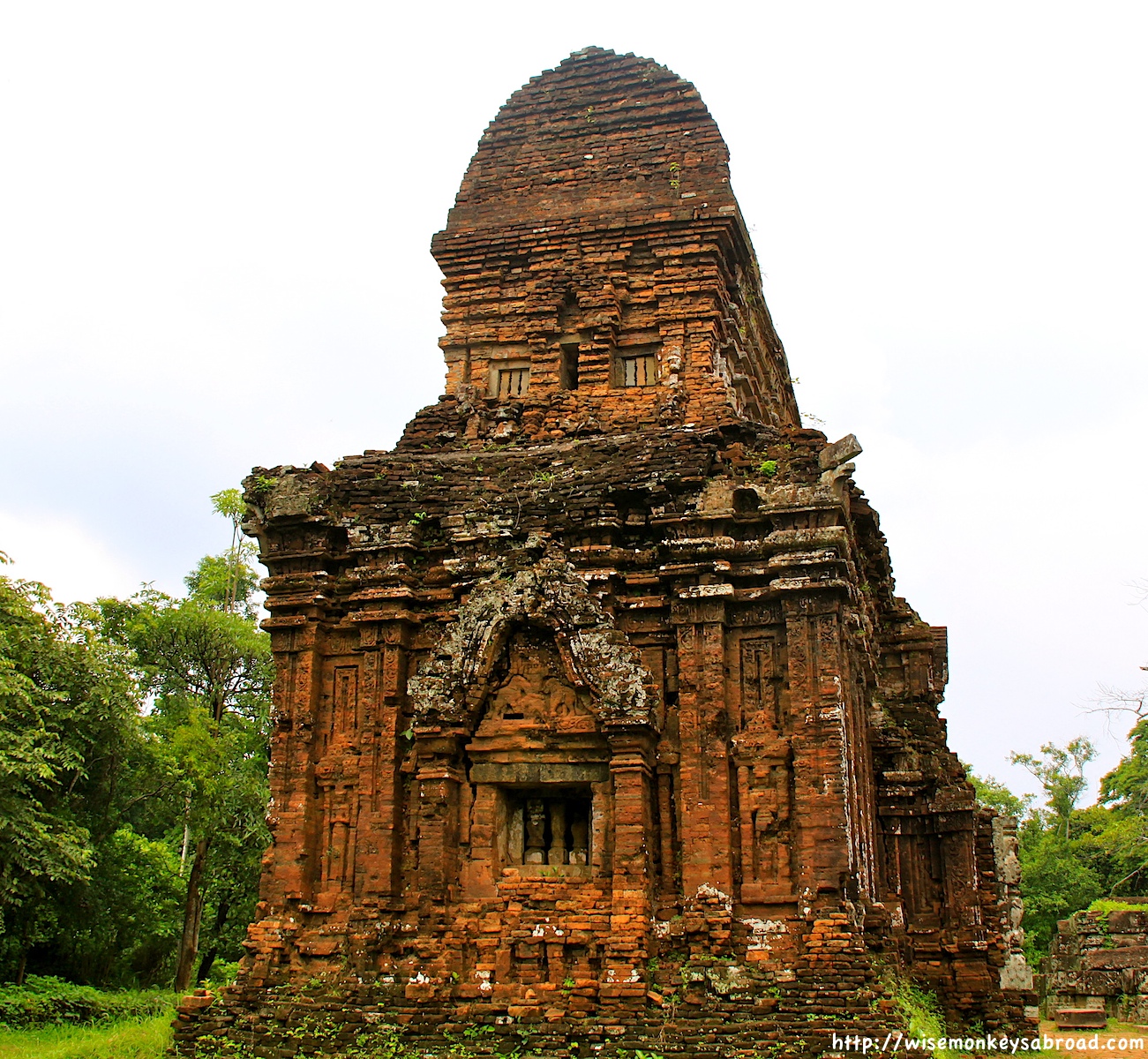
An hour drive out of Hoi An is My Son Sanctuary. It was a political and religious capital of the Champa Kingdom. The Cham people belonged to an ethnic group in South East Asia.We were told the Sanctuary was built around the 9th Century, with the dynasty lasting between the 4th Century to 13th Century.
Before exploring the site, visitors can enjoy a performance in the open theatre. The traditional Cham performance included folk music and dancing. It was all quite exquisite.

We were extremely fascinated with the Hindu-influenced temple ruins, the statues and the site itself. As we explored the remains, we could climb into some of the temples and were able to get close to the relics. It is mind-blowing admiring the architecture of the temples and workmanship of the statues.
Although, it was teeming with tourists at My Son, the overall feeling in the air was tranquil and leisurely. It was a shame though, to see some of the site damaged due to bombings that occurred during the Vietnam War (once again reminding us how destructive war can be).

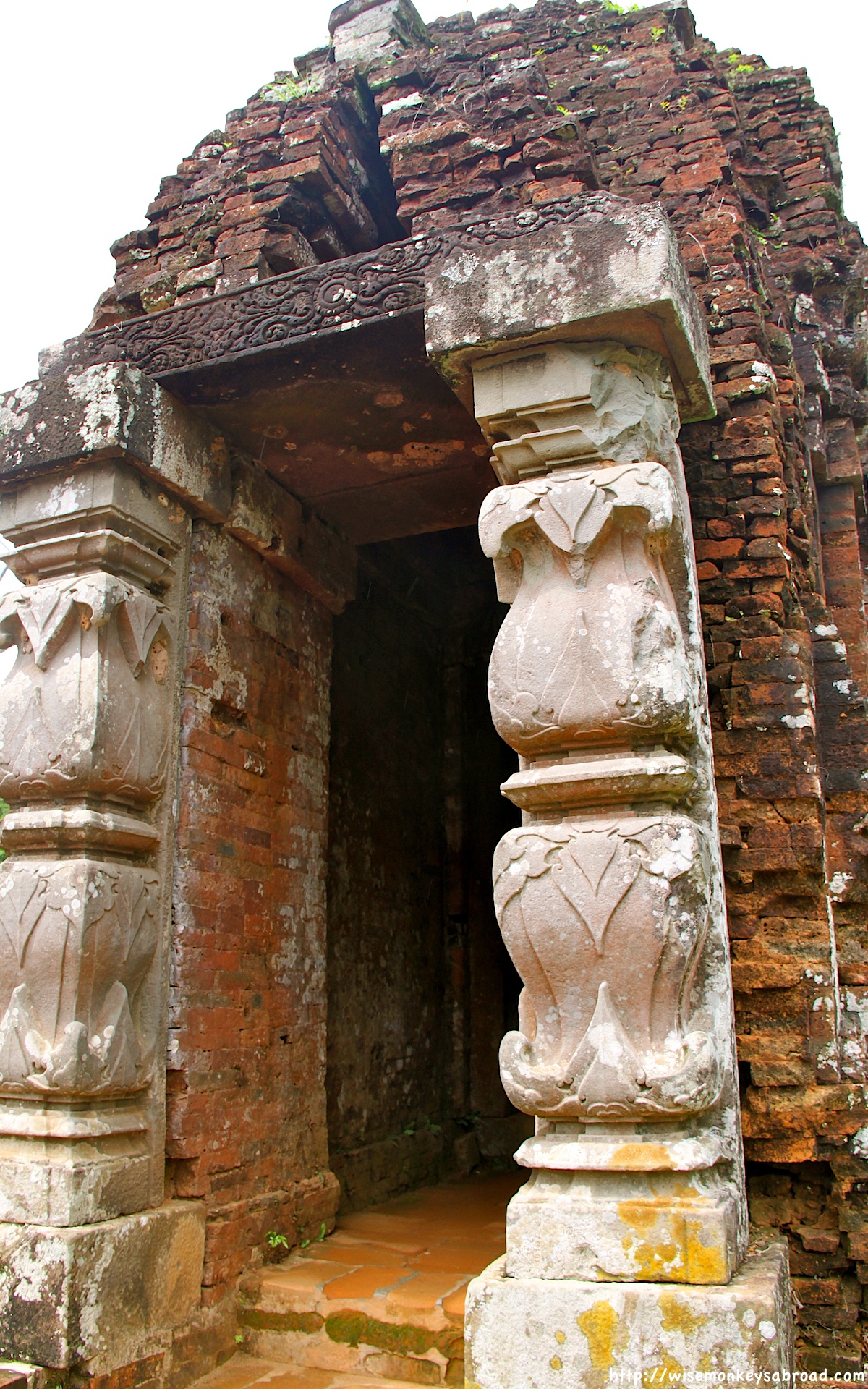

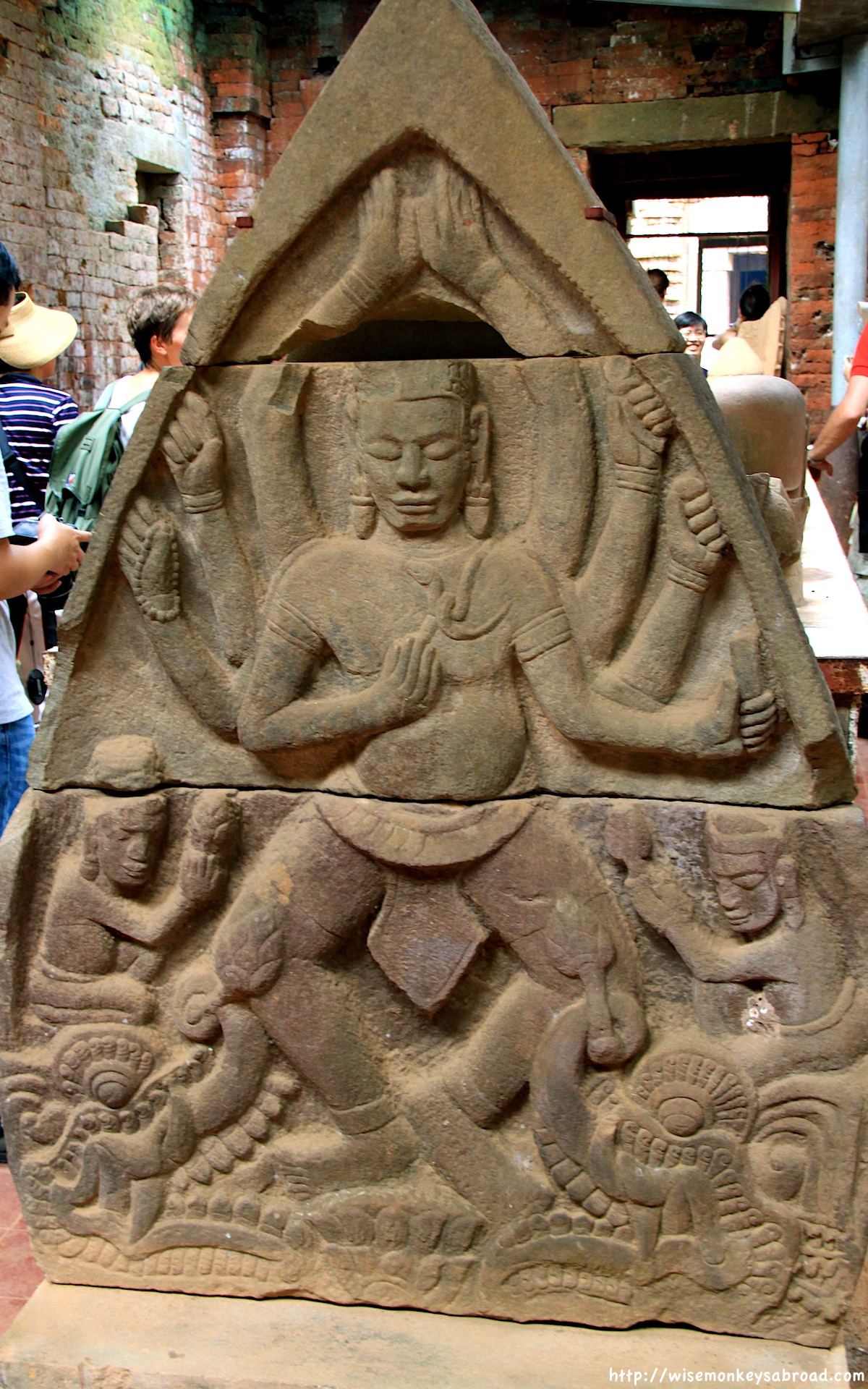

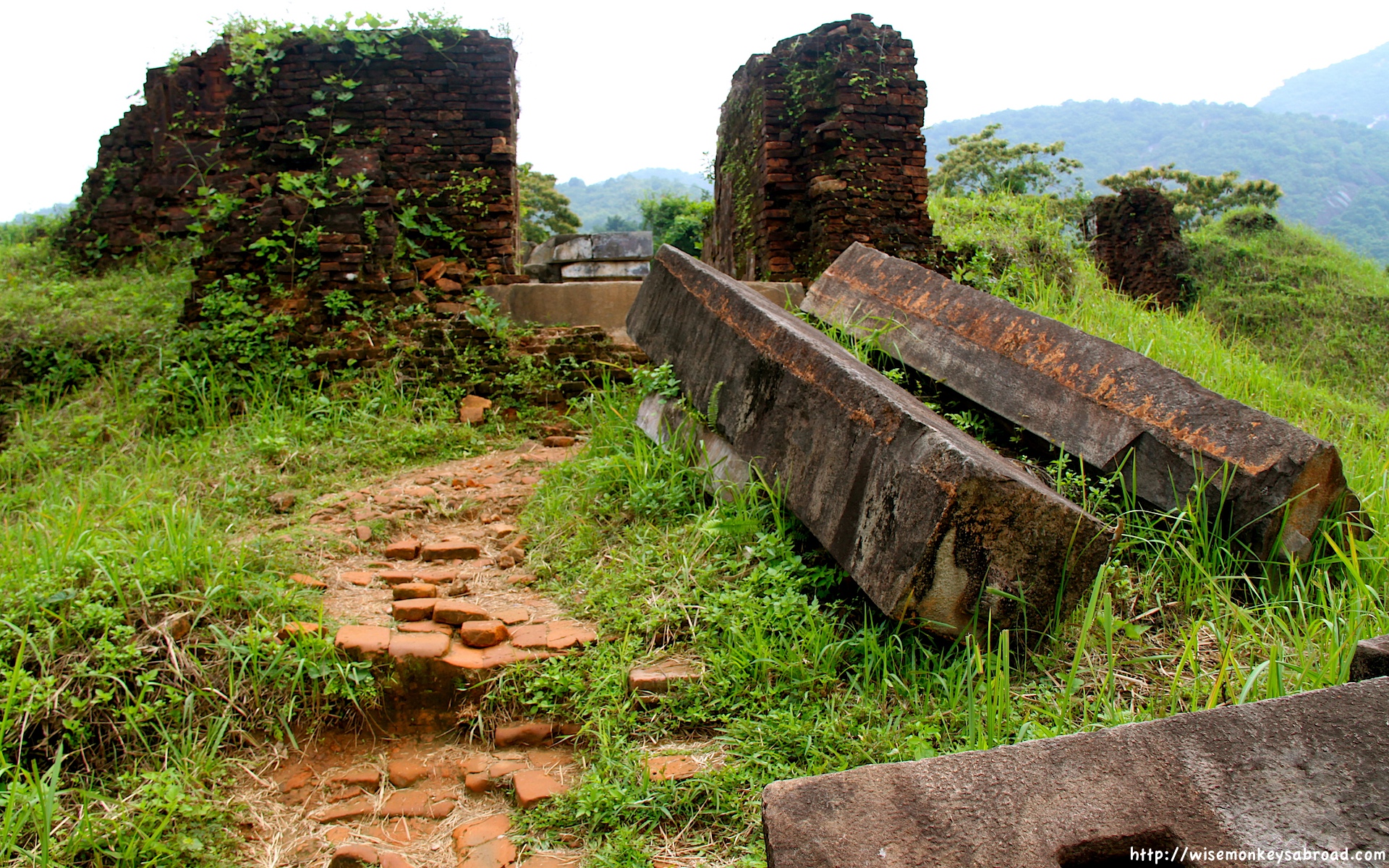

The walk out of the Sanctuary is a peaceful tree-lined path back to the car park. We had spent easily a couple of hours here.
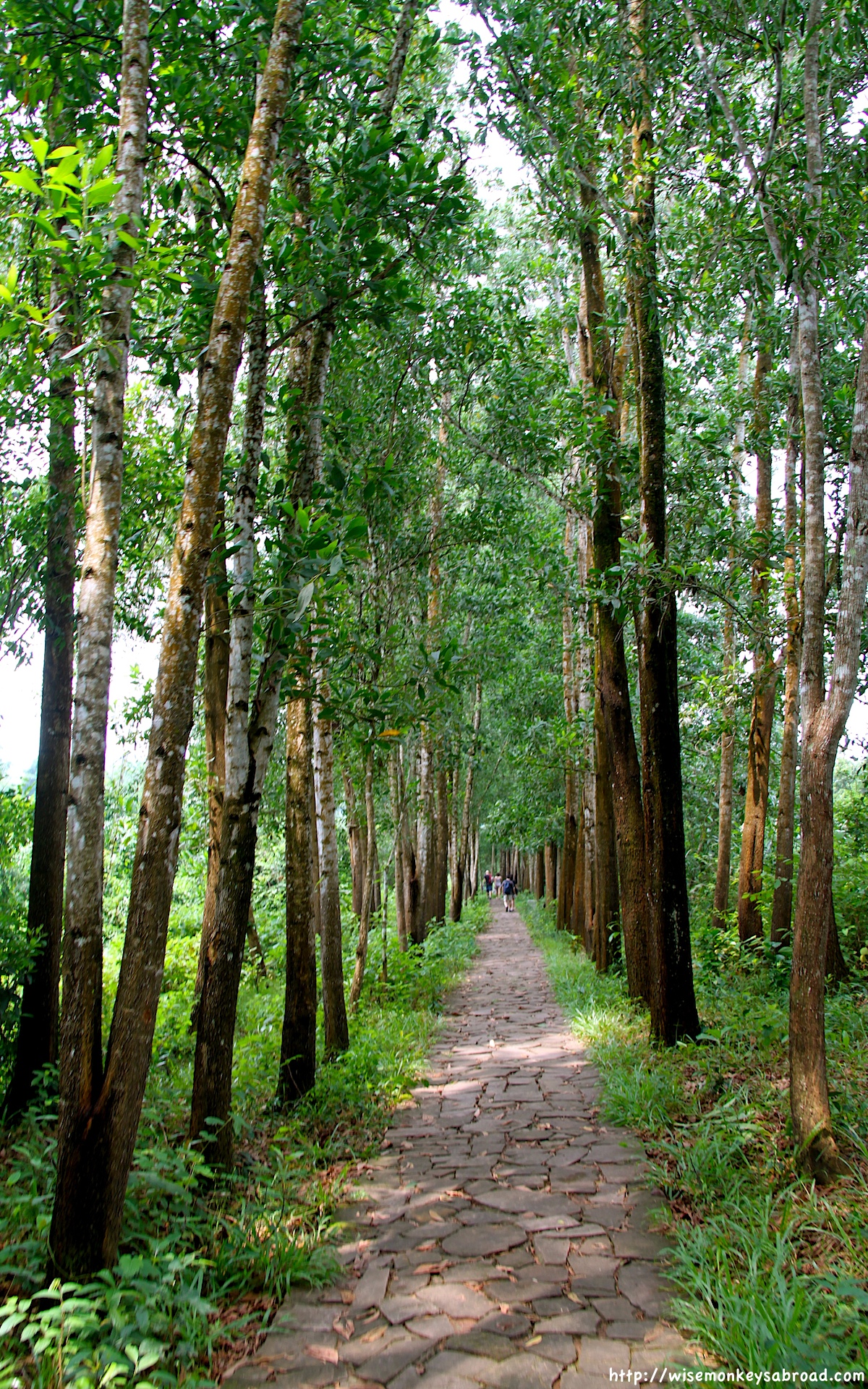
Although we have never been to Angkor Wat in Cambodia or Bagan in Myanmar, we felt like this would be similar to what we would see there. It actually made us want to see those countries even more.
My Son Sanctuary was listed as a
UNESCO Heritage site in 1999.
To see the other UNESCO sites we have visited,
visit our unofficial bucket list
Share this:

walking to raise awareness and money for angelman syndrome
It’s official and now in the open. Le has resigned from her job so we can go travelling for several months! But our bigger news is that we are planning to also embark on the Camino Walk.
To some of our fellow blogger followers who have walked the Camino or are walking the Camino or planning to walk the Camino, you probably already know this news. But what we are revealing for the first time is that we are walking it for charity amongst a few other personal and spiritual (non-religious) reasons!
The walk starts in St Jean Pied de Port in the Pyrenees in France and will end 800 km “down the road” in Santiago de Compostela in Spain. Yes, you read it right, we are walking 800 km – it will be over 7 or so weeks.
The Way of St James has only recently been on our radar to do. It began in 2008, when we first heard someone was doing it. It sounded intriguing and sounded like it would be an astounding achievement. Then not long after, we heard of another person doing it and it just sounded too daunting. A few years on, David read “The Pilgrimage” by Paulo Coelho which sparked our interest and before you know it, everyone around us seems to have done it. So last year, we made a pact that we would do this pilgrimage before we turned 40 at it is also on the UNESCO Heritage List. You all know how much we love our UNESCO Heritage List 🙂
After a few highs and lows of the past year, it dawned on us – we needed to do it soon…. So we decided that we would do it in September!
Now to share with you about the charity we have chosen to walk for:
Foundation for Angelman Syndrome Therapeutics (FAST) Australia

Why these guys?
David’s oldest brother has Angelman Syndrome. And we want to raise not only money for research but also raise awareness about the condition. It really is as simple as that!
So all we ask of our readers and followers is to read up about Angelman Syndrome at the FAST Website: http://www.cureangelman.org.au/ and then do ONE of the following (of course more if you like):
- Share what you have learnt with someone, have a conversation about it,
- Share something about Angelman Syndrome on your social media,
- Share our fundraising page (https://give.everydayhero.com/au/wise-monkeys-abroad) amongst your family and friends
- Support us on the 800 km walk by donating – proceeds go directly to FAST (except for transaction fees taken by the banks),
- Reblog this post or share on your various social media to spread the word of what we are doing, OR
- Encourage us through your comments on our blog, Twitter and/or Facebook as we prepare and face the 800 km.
Thank you in advance for you helping us spread the word and raising money for Angelman Syndrome!
More posts to follow about the Camino itself.
Share this:

weekend walks: inside jenolan caves
Weekend walk took us indoors this week, inside caves! Actually, the initial plan was to do the Jenolan River Walk and see the Blue Lake in the Greater Blue Mountains region (which is a UNESCO Heritage Site). So after driving 2.5 hours, we arrive to find that the walk is closed for maintenance. The most of the Blue Lake we got to see was up above from the road.

Luckily, Plan B was not a bad plan at all. Plan B was to visit Jenolan Caves themselves. The tours of the caves last about 1.5 hours and range in levels of fitness/difficulty. We elected to join the Orient Cave tour which is considered one of the top 10 most beautiful caves in the world! There was no way, we were missing that one. Not that we have seen the other top 10 contenders, but we certainly rate this one incredible!
Inside the caves, there are crystals: millions and millions of crystals. There were stalactites (those formed from the ceiling down), there was stalagmites (those formed from the ground up) and there were helictites (those that changed directions as they form). It was a crash course for us in basic geology and cave formation.
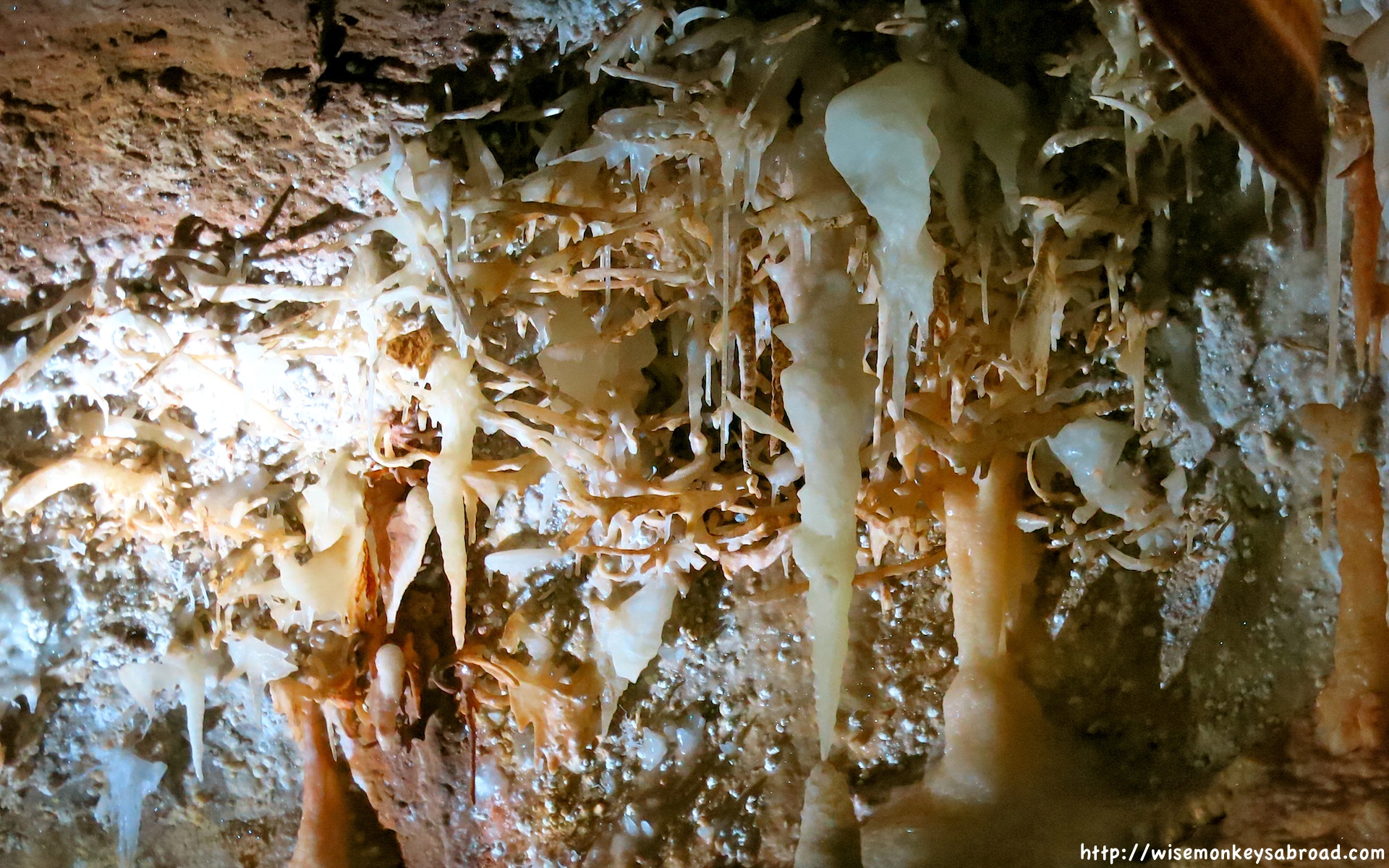
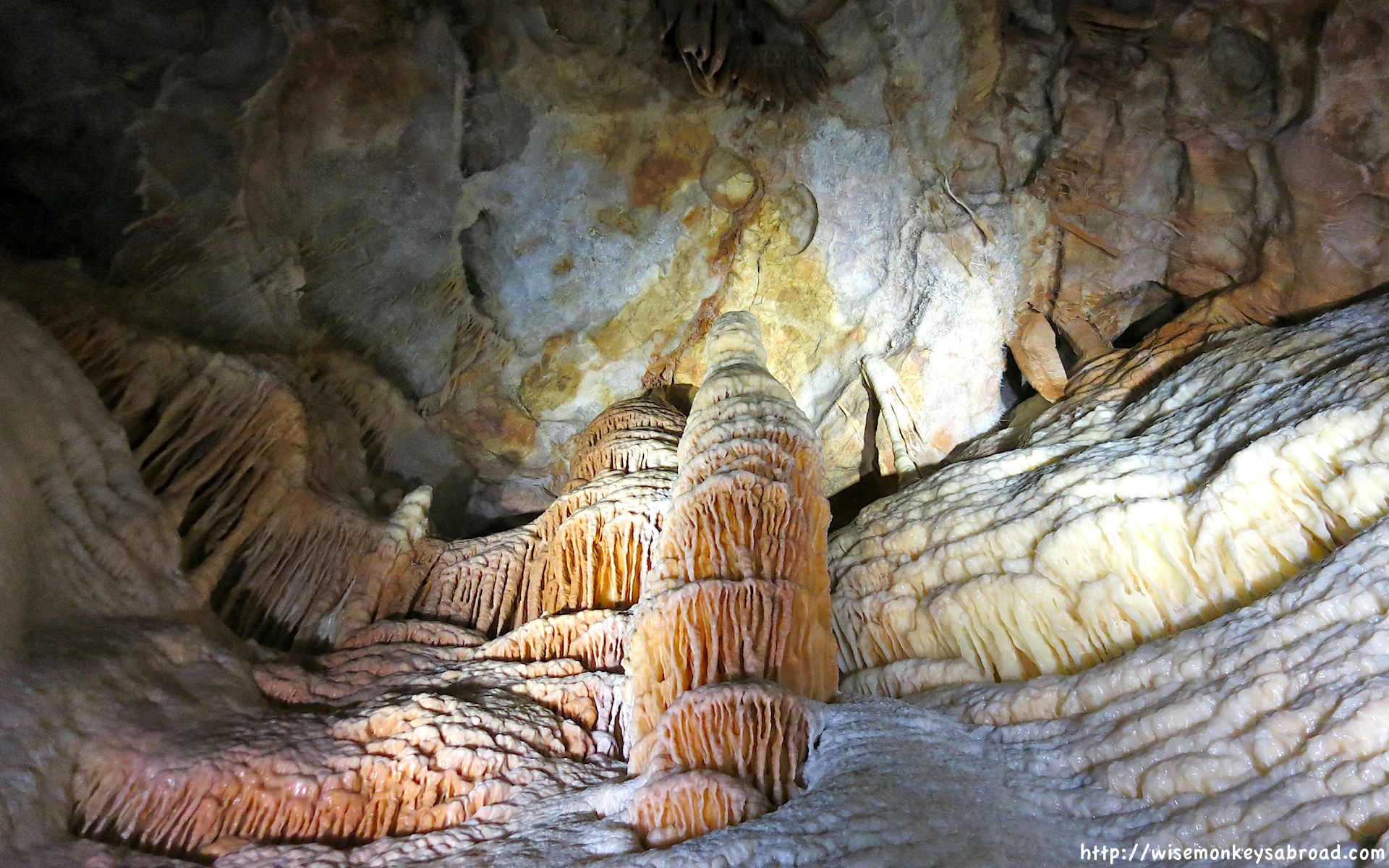
An extremely fascinating (and almost unfathomable) fact was that sometimes 1 cubic centrimetre of these formations can take up to 300 years to form, so…. given “that” and after some calculations, the Jenolan Caves are about 340 million years old, making them the world’s oldest caves! (Well, actually, we didn’t do the maths, it was already done).
As we pass through the caves, the water overhead drips, we can hear it and see it. Crystal is forming as we walk! From the photos, the surfaces looks almost waxy. We also managed to see a flowing stone as we entered.

The Orient Caves contained a Persian Chamber, an Egyptian Chamber and an Indian Chamber. Looking around, it felt like we were in another dimension or on another world. It is so utterly unusual and intriguing. Some of the formations are given names or descriptions for orientation.
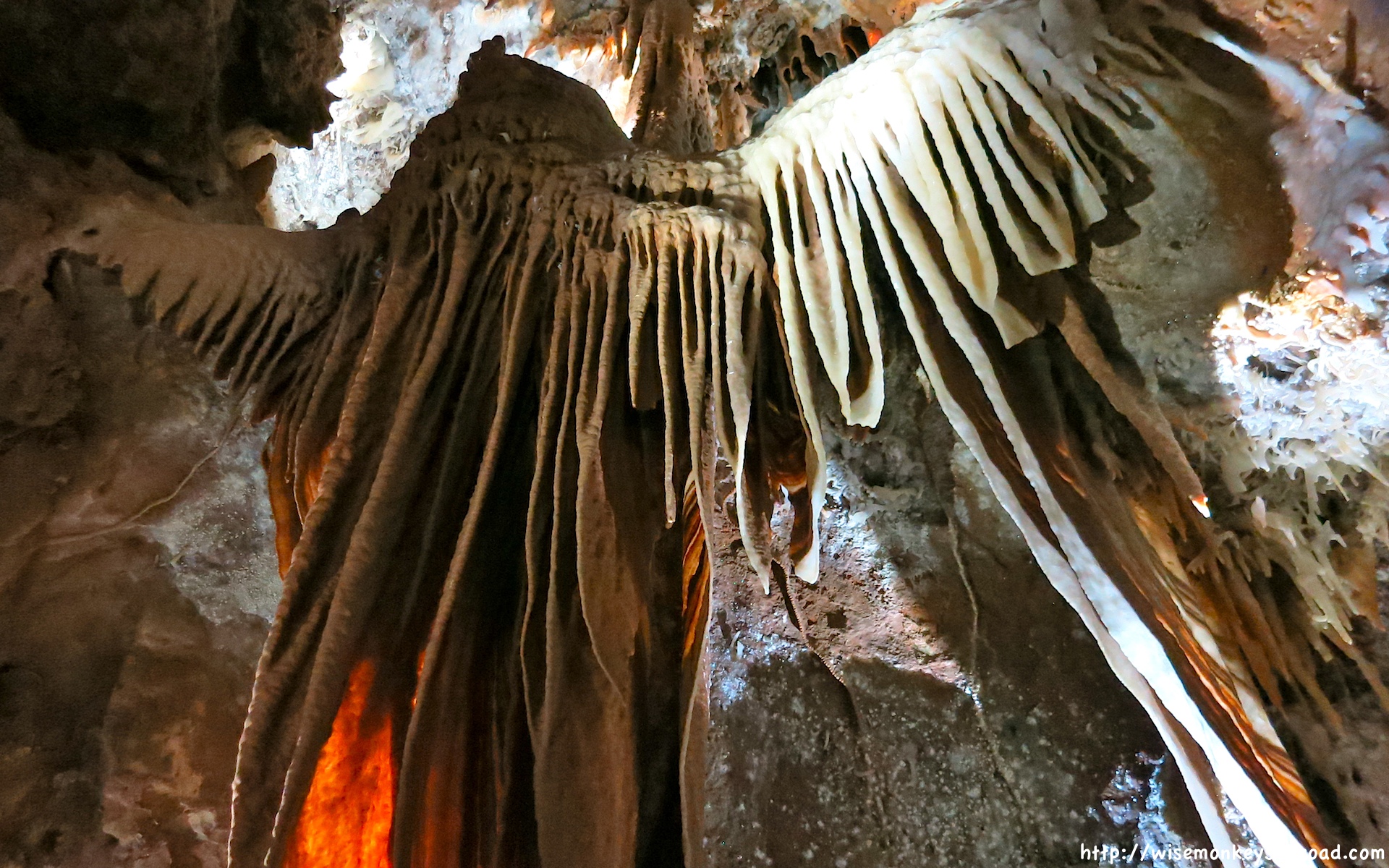
(1) Example of “shawls” – these are two alongside one another. The one on the right is what crystal looks likes after water over times flows over the limestone: it is white, translucent white. The one on the left is crystal formed from dirty/contaminated water.
In general, the brown streaks through the formations are from iron in the water.
(2) Pillar of Hercules – found in the Persian Chamber, stands at about 8 metres tall.

(3) The Dome – found in the Persian Chamber, approximately 40 metres high

(4) The pilgrims – found in the Persian Chamber, “walking” up a hill

(5) Little crystals formed in water
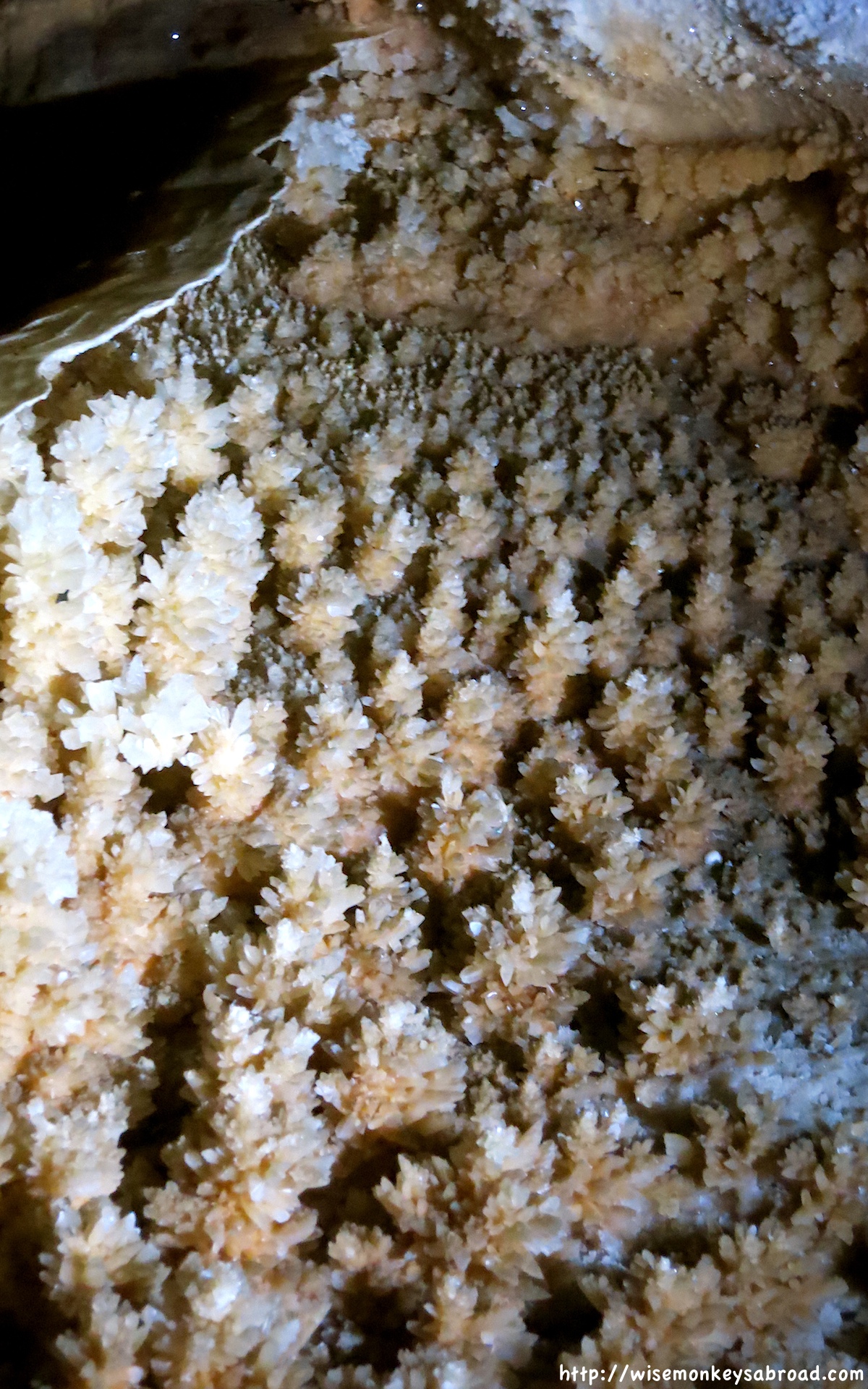
(6) Egyptian Blanket and curtains – found in the Egyptian Chambers


(7) The Frozen Nile – also found in the Egyptian Chambers. The white dots on the far right of the picture are the sparkles of the light hitting the crystals.

(8) Elephant Headress, found in the Indian Chamber.

(9) Medusa, looking down with a headful of snakes.

Jenolan Caves are such a delight to visit. We are curious and keen to go back – more so as with each ticketed tour purchased, the visitor receives a ticket which entitles them to get 50% off any other cave tours that they do with the year (BONUS 🙂 )
We really do take our hats off for those explorers who were so brave in venturing into such unknown territories (with only candles and naked flame as their source of light) to discover such beauty and even more so to those in 1867, who gazetted the area as a reserve! Thank you to those people with such foresight to protect such beauty so we can enjoy it today!
Greater Blue Mountains were UNESCO Heritage listed in 2000. To see the other UNESCO sites we have visited, visit our unofficial bucket list
NB: This was not a sponsored post – we visited on our own accord.
Share this:

- ← Previous
- 1
- …
- 3
- 4
- 5
- Next →
 wise monkeys abroad