re-visiting venice: another unesco
Looking back our photos from when we were in Italy, we ask ourselves: how did we go to Venice and NOT take a single photo of the tables which act as walkways when the tide comes in? The answer is simple, because we were busy taking photos of everything else around us.
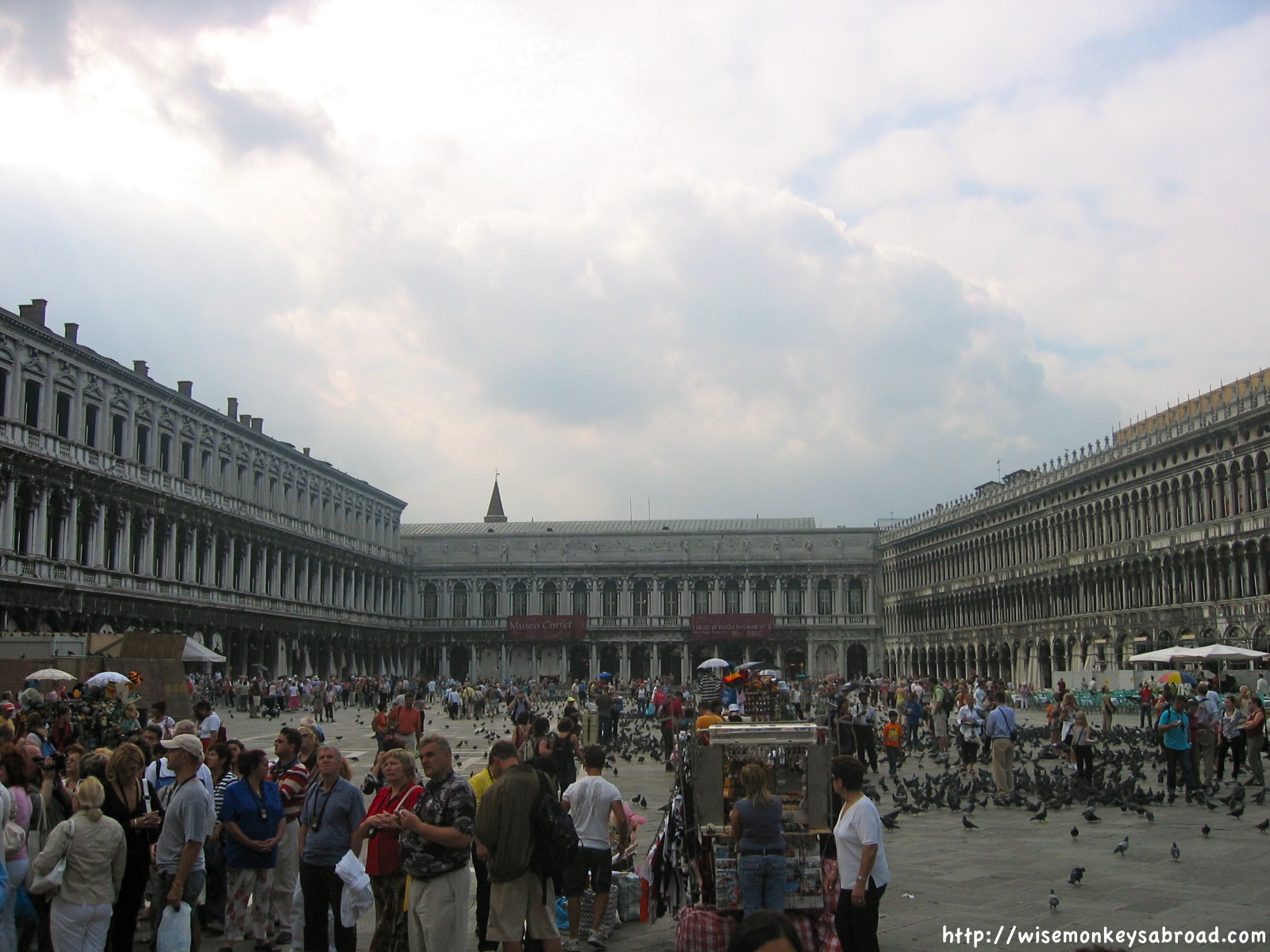
It’s a city that is bound to get you pinching yourself and saying, “Can’t believe I’m here!” Venice, in every direction, is photogenic, even if it is a square full of pigeons: over-fed by tourists.

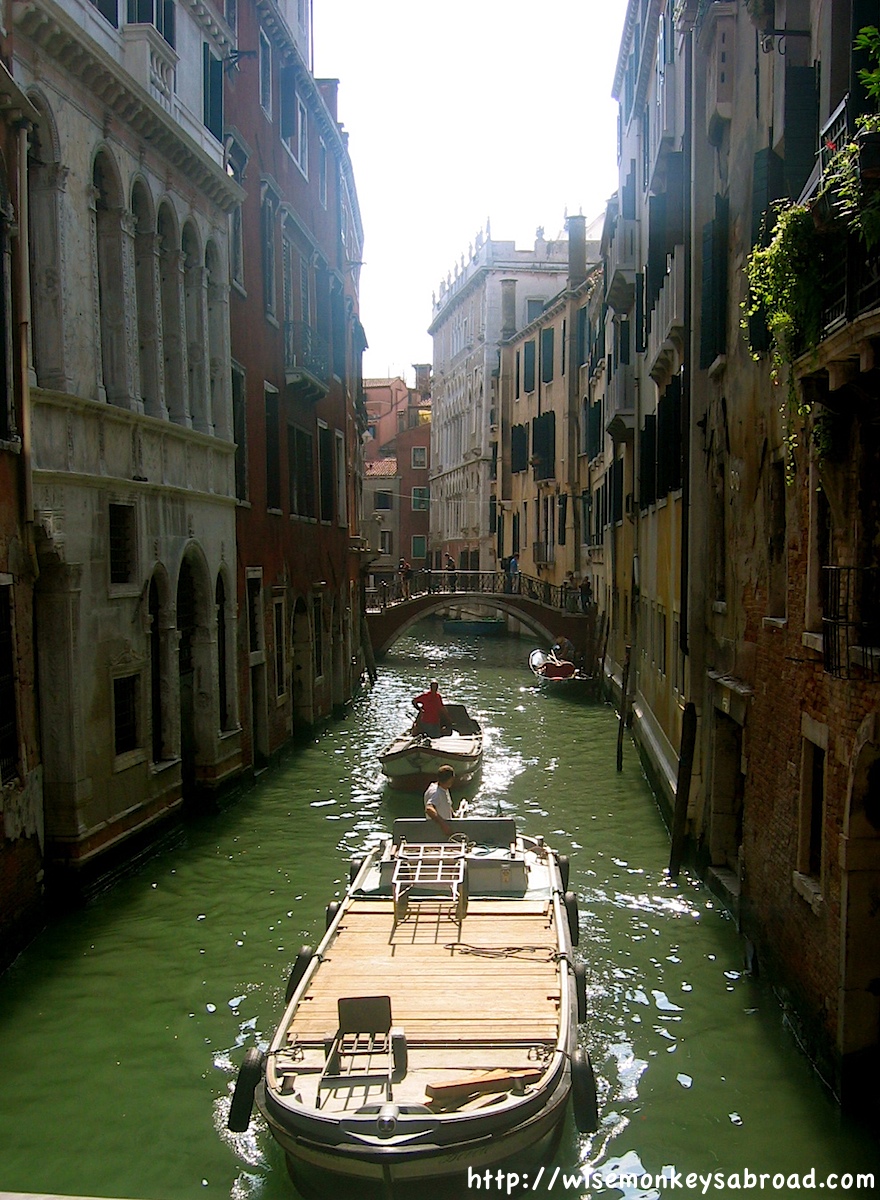
Walking through the over-crowded streets, the aim is almost to get lost rather than not to. Up and over those little bridges with gondolas gliding along the canals, it is just breath-taking (as cliche as it sounds, as cliche as it looks from the photographs and as cringeworthy as it is for us to write that). Venice is what it is and that is beautiful!
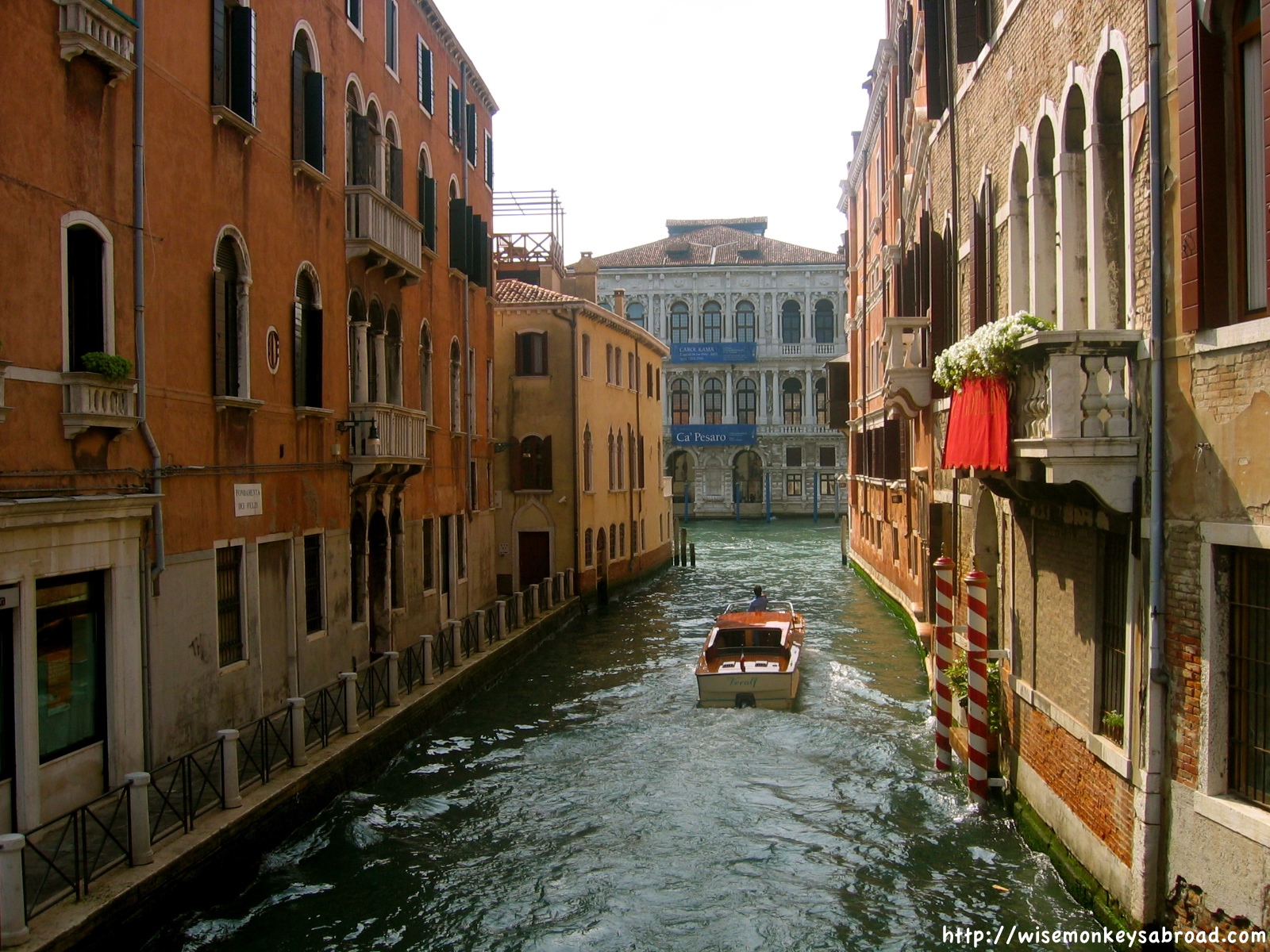


Everyone is entitled to their opinion about Venice and we’ve heard that its smelly, that its over-crowded and over-priced. Heck, call it a tourist trap! It’s a trap that we didn’t mind getting caught in.
Described by UNESCO as a “unique artistic achievement”, Venice was one of the greatest capitals in the medieval world. Built centuries ago, it took some incredible engineering and architectural design to build such a floating city that we still get to see today. We were so glad we decided to add Venice to our itinerary back in 2006, it’s one of those places that we would like to explore again in future. Maybe actually go on a gondola ride…

Have you visited Venice? What did you think?
Venice and its Lagoon was listed as a
UNESCO Heritage site in 1987.
To see the other UNESCO sites we have visited,
visit our unofficial bucket list
Share this:

weekend walks: west head in ku-ring-gai chase national park
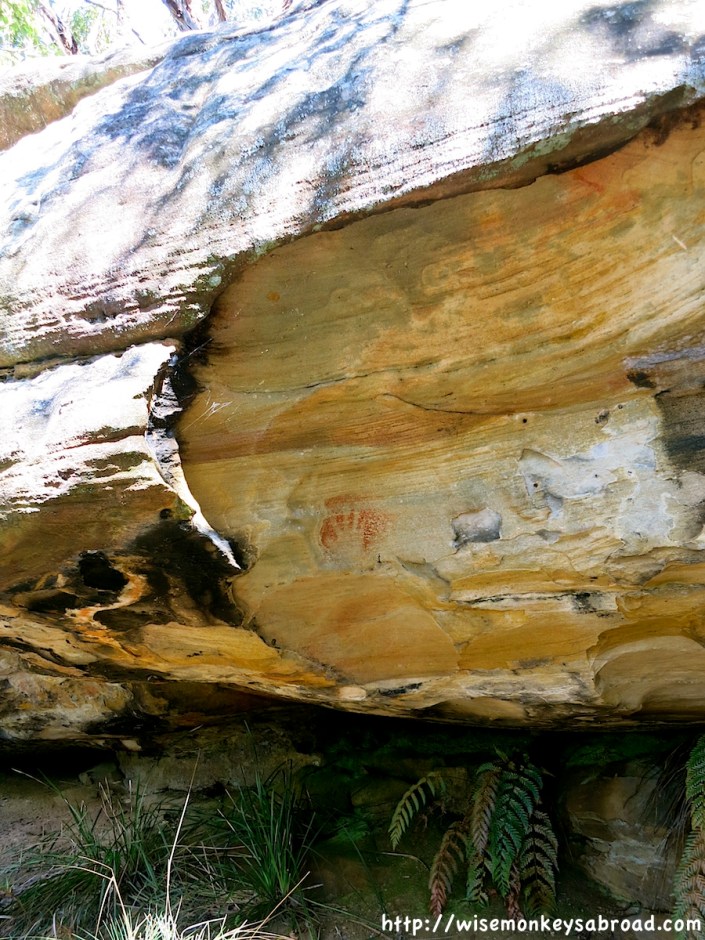
We were graced again today with blue skies and sunshine. The weather was a pleasant 20° Celsius without any wind this week (thank goodness). We drove to Ku-ring-gai Chase National Park so we could see Red Hand Cave and enjoy a walk to West Head Lookout and back.
The Red Hand Cave is Aboriginal rock painting and is dated to be about 2000 years old. It was very fascinating to see.

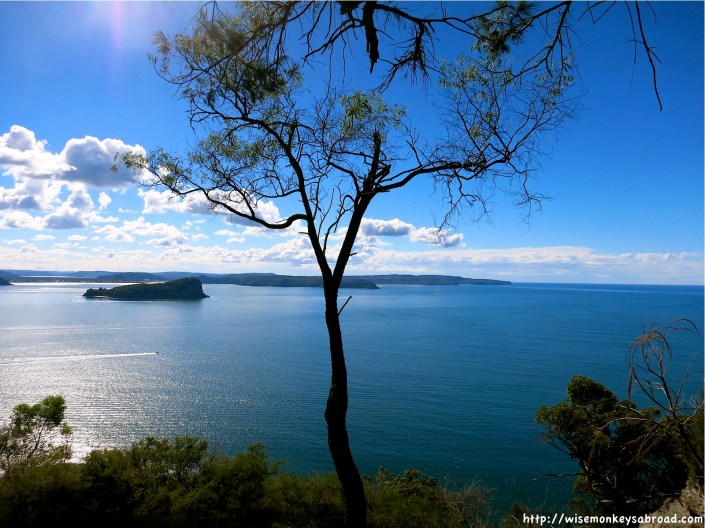
The view out to sea from West Head Lookout was stunning! We could just see Barrenjoey Lighthouse….
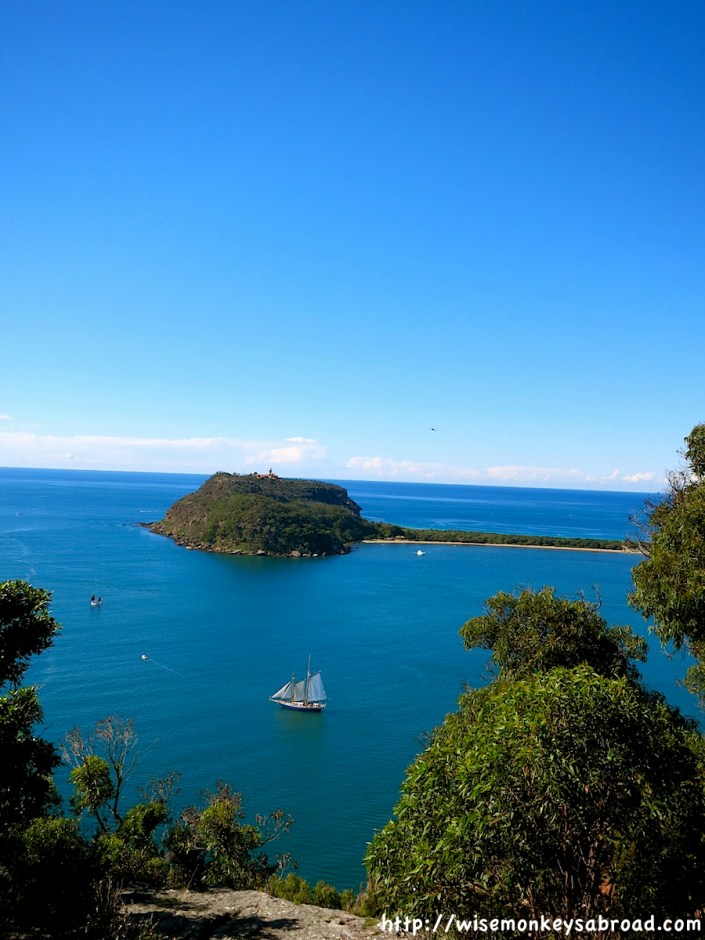
Our eagerness to walk (also as part of practice for the Camino), we thought we should challenge ourselves more. And we did. We headed down, down and further down til we reached West Head Beach, which we were SO pleased to do! It was so picture perfect and serene with calm blue waters in between us and Barrenjoey Lighthouse.


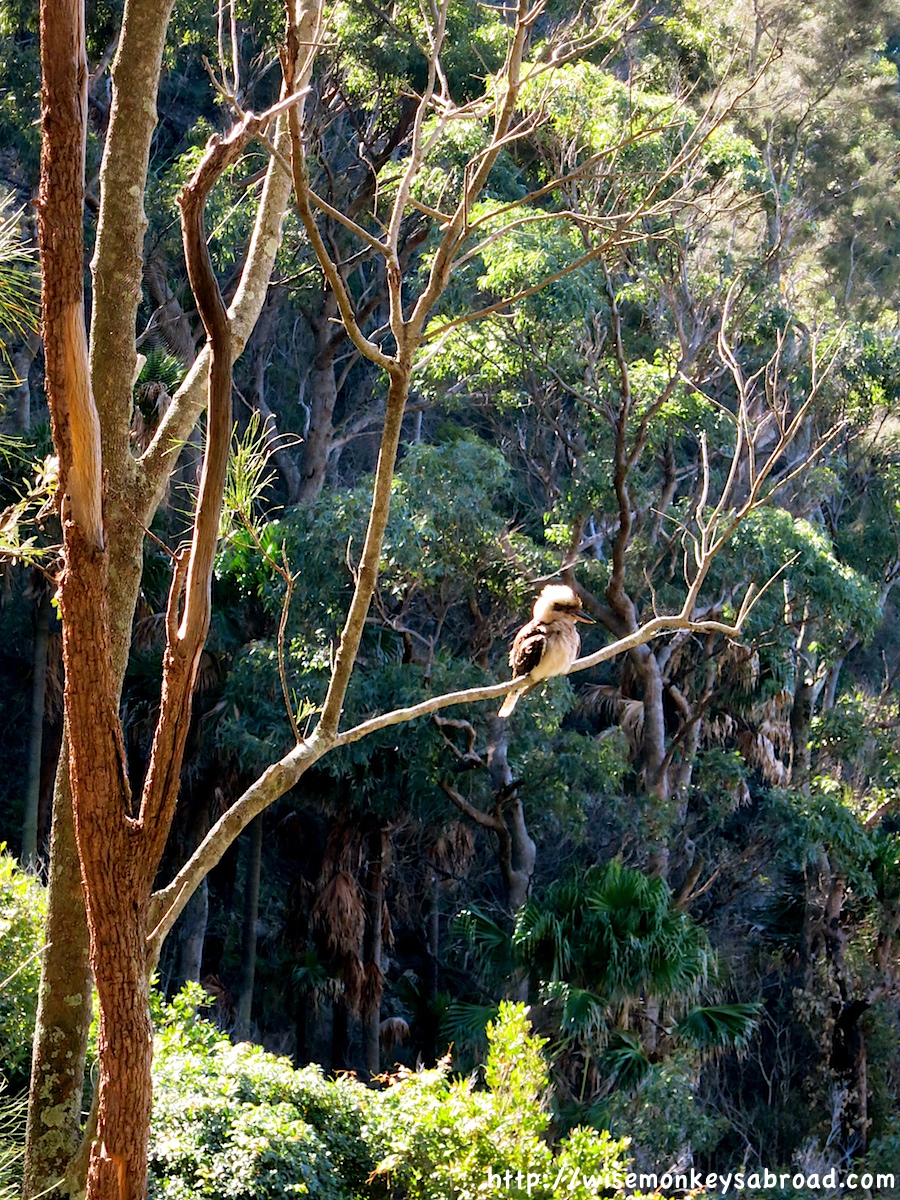
But then, it was time to head back UP! As easy and lovely as it was to head down, walking back up was completely a different story. Our only highlight was spotting 3 kookaburras in a tree at once – unfortunately we weren’t quick enough to snap a photo of the 3 of them. So one will have to do 🙂 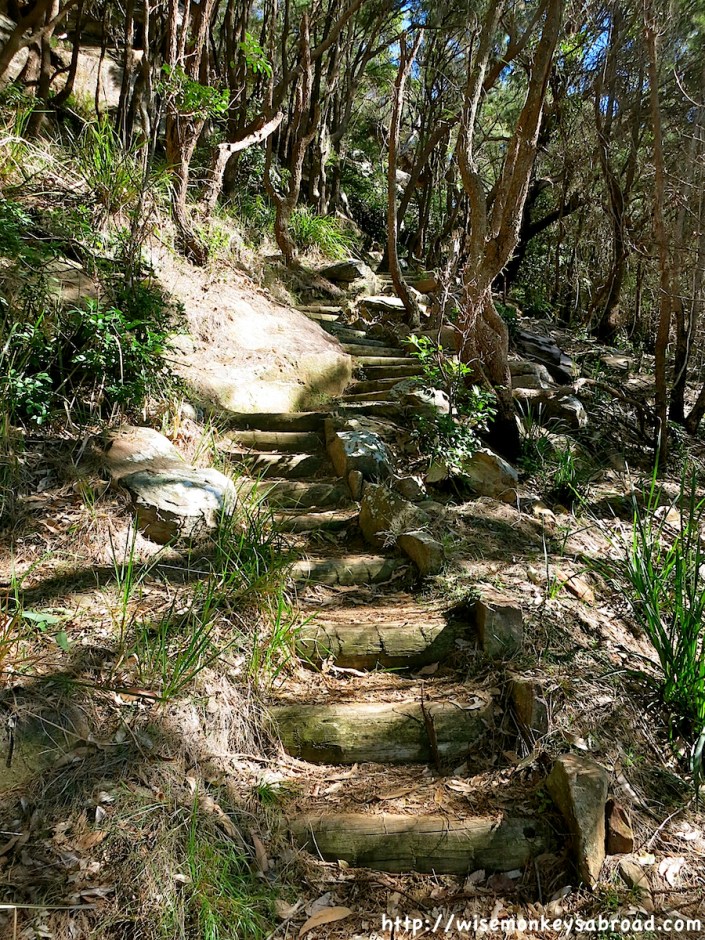
Ku-ring-gai Chase National Park is approximately 25 km north of Sydney, covering about 154km². Car entry costs $11 per day and gates open at sunrise and close at sunset.
Hope you all have a lovely week ahead!
Share this:

weekly photo challenge: on the move
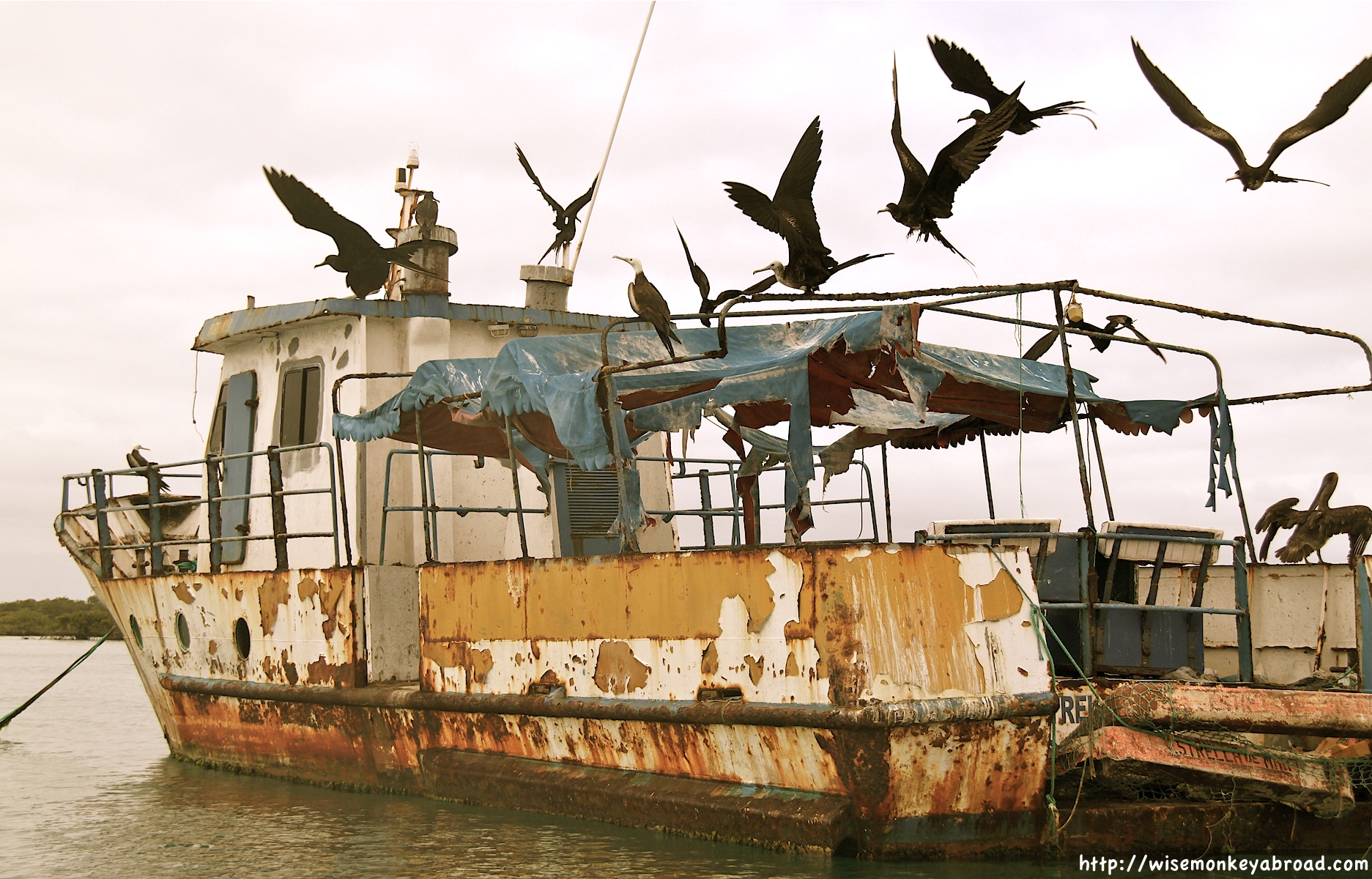
Our choice for this week’s theme are two photos we snapped while visiting the Galapagos Islands.
These birds were peacefully perched upon this rusty boat and suddenly were “on the move”
What disturbed them?

Share this:

vietnam’s third unesco site: my son sanctuary
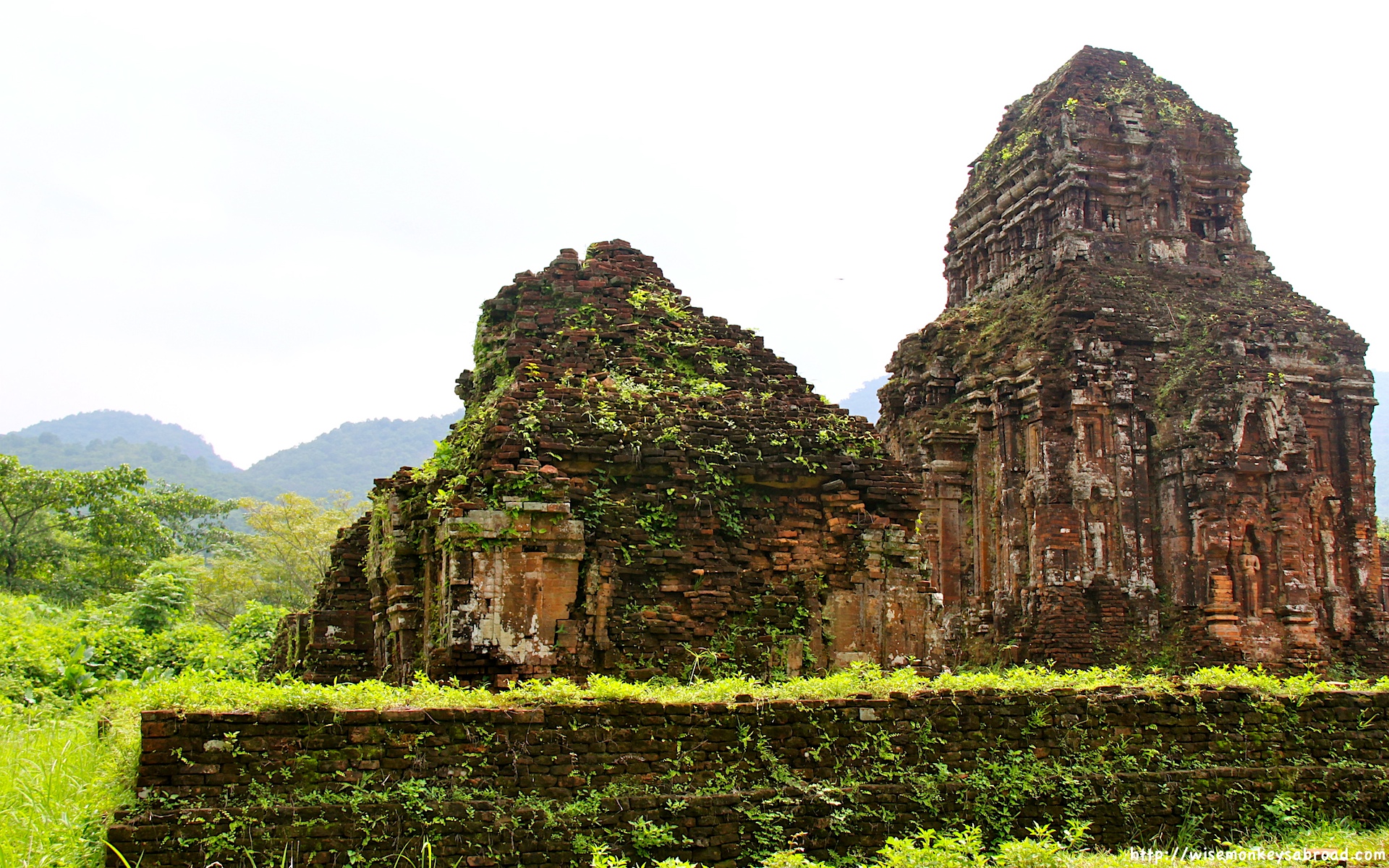
An hour drive out of Hoi An is My Son Sanctuary. It was a political and religious capital of the Champa Kingdom. The Cham people belonged to an ethnic group in South East Asia.We were told the Sanctuary was built around the 9th Century, with the dynasty lasting between the 4th Century to 13th Century.
Before exploring the site, visitors can enjoy a performance in the open theatre. The traditional Cham performance included folk music and dancing. It was all quite exquisite.

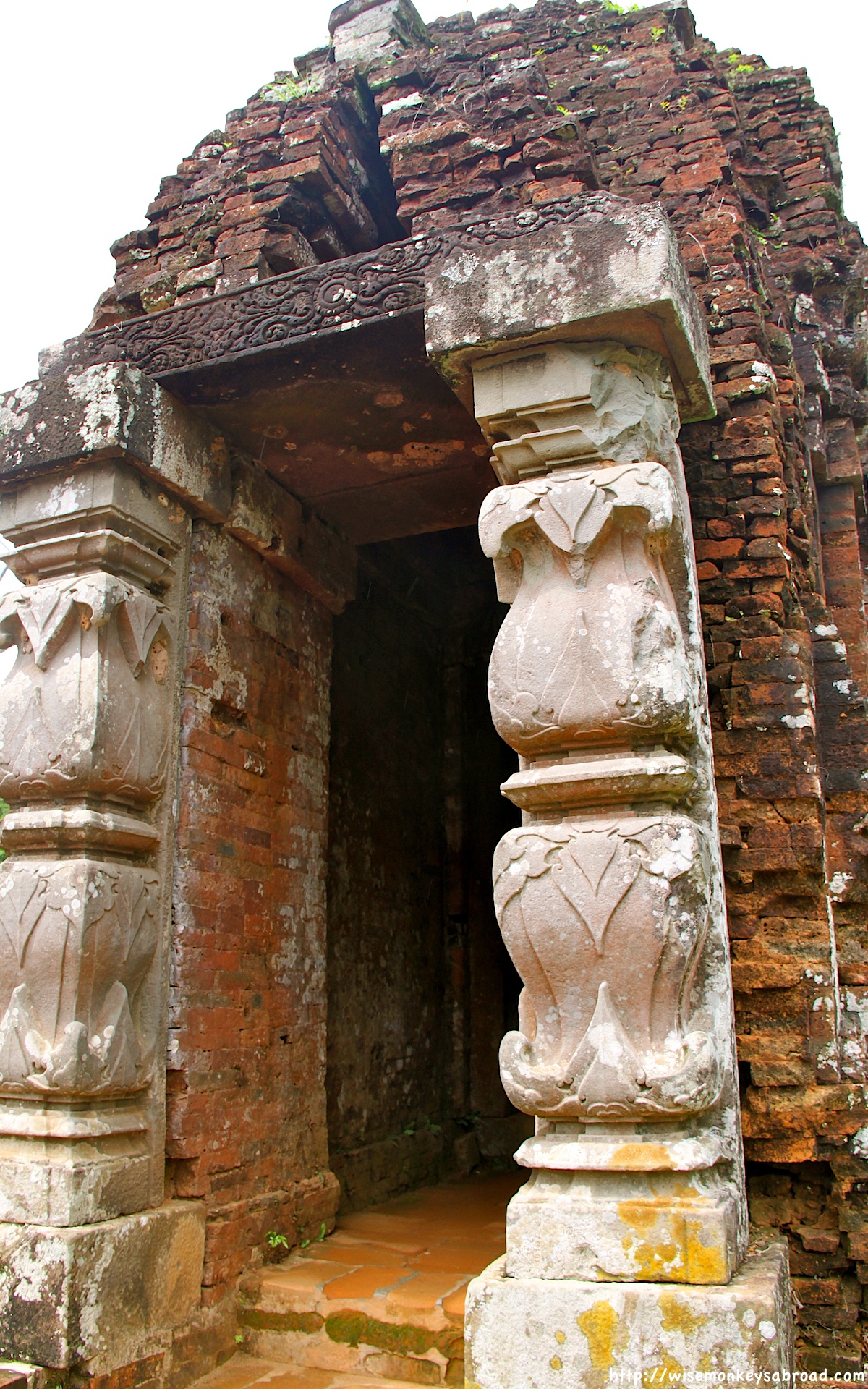
We were extremely fascinated with the Hindu-influenced temple ruins, the statues and the site itself. As we explored the remains, we could climb into some of the temples and were able to get close to the relics. It is mind-blowing admiring the architecture of the temples and workmanship of the statues.
Although, it was teeming with tourists at My Son, the overall feeling in the air was tranquil and leisurely. It was a shame though, to see some of the site damaged due to bombings that occurred during the Vietnam War (once again reminding us how destructive war can be).


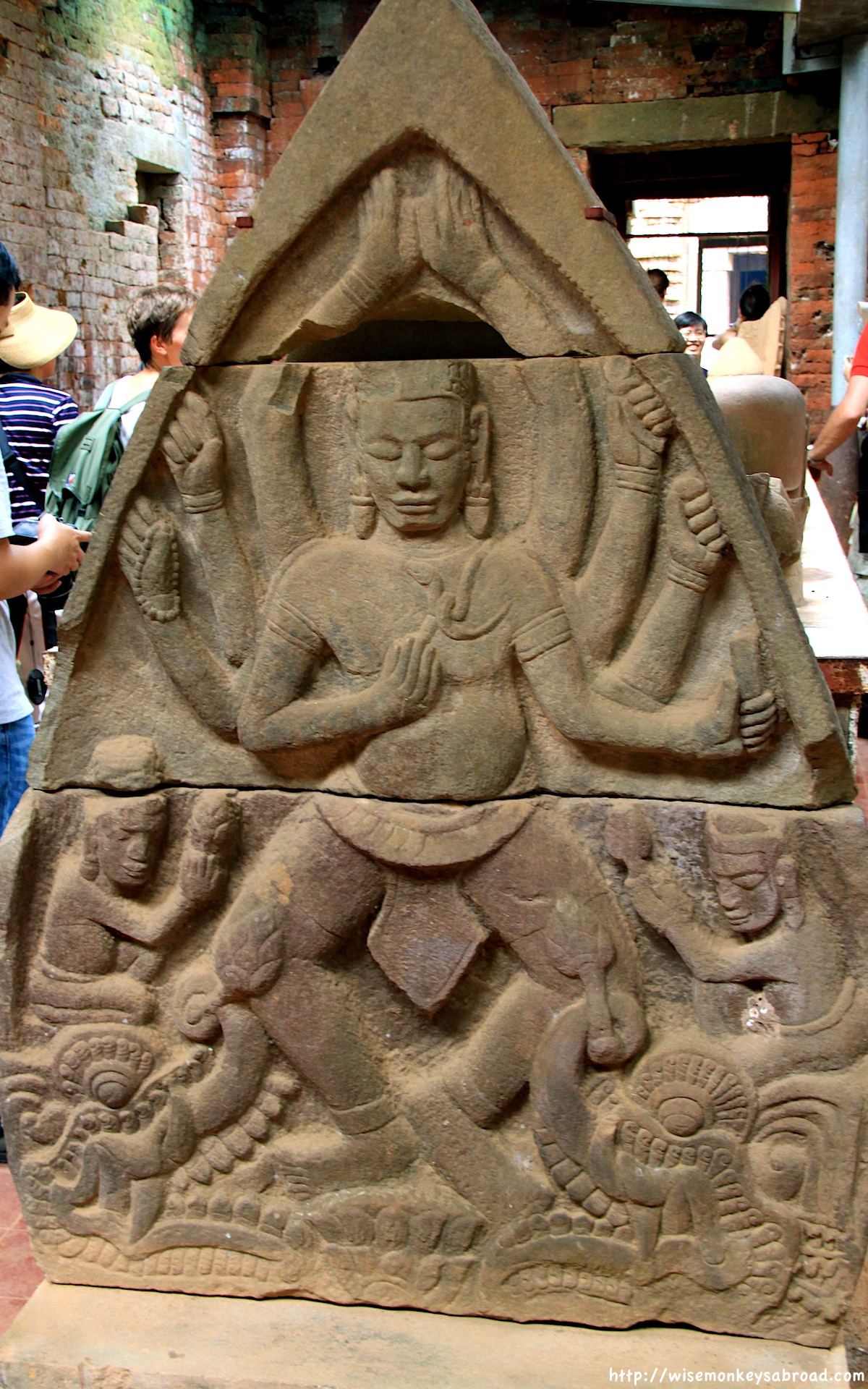

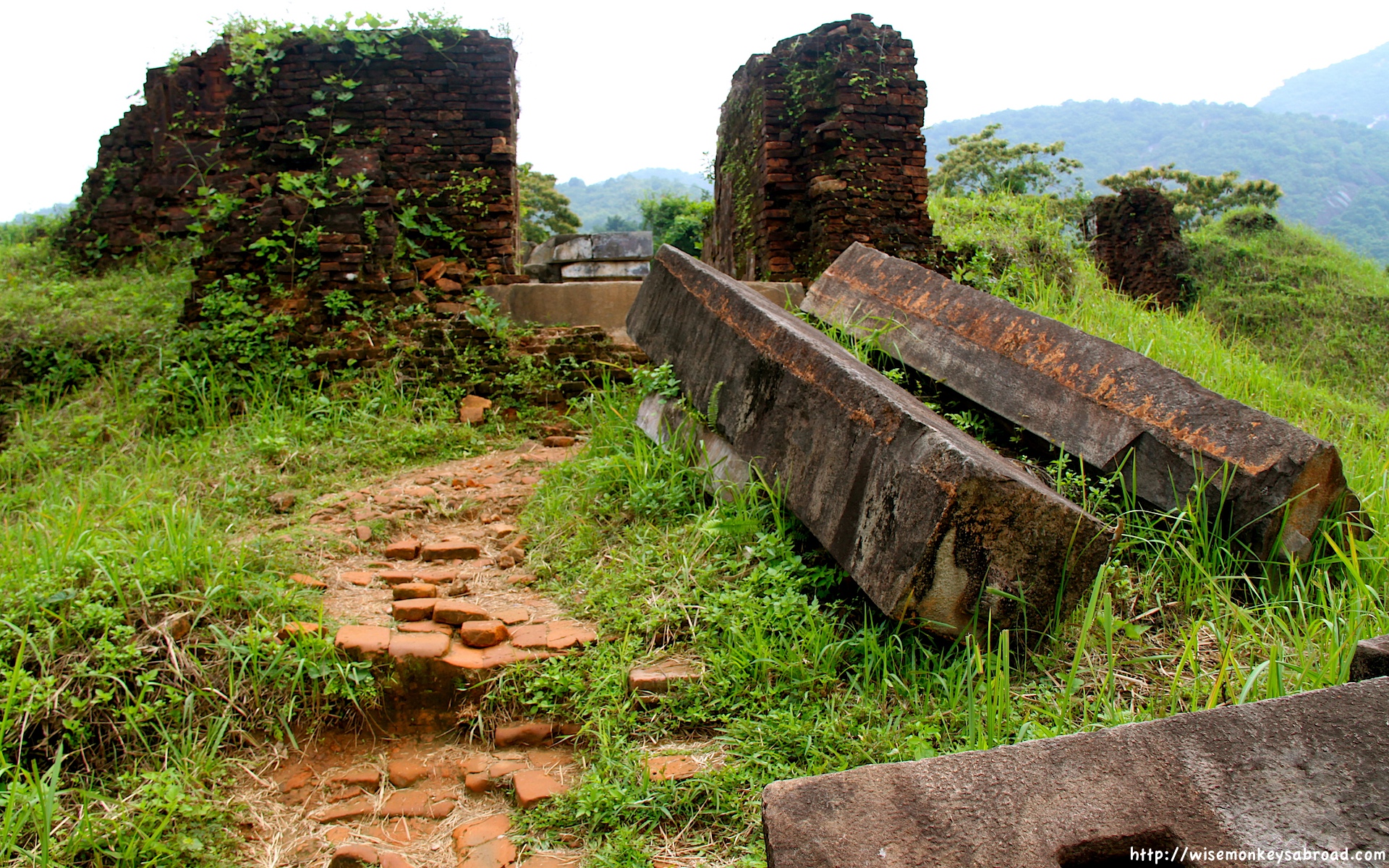

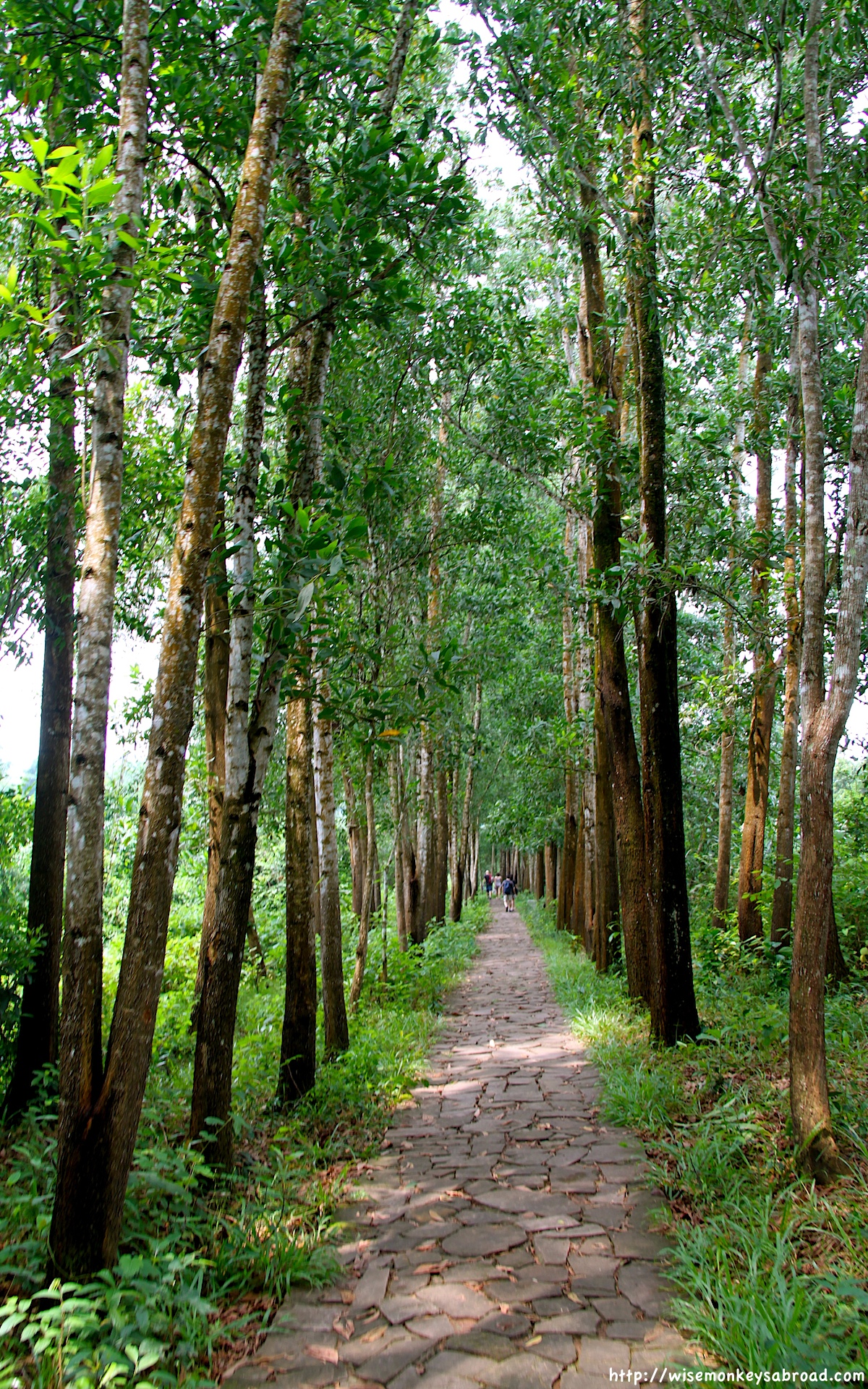
The walk out of the Sanctuary is a peaceful tree-lined path back to the car park. We had spent easily a couple of hours here.
Although we have never been to Angkor Wat in Cambodia or Bagan in Myanmar, we felt like this would be similar to what we would see there. It actually made us want to see those countries even more.
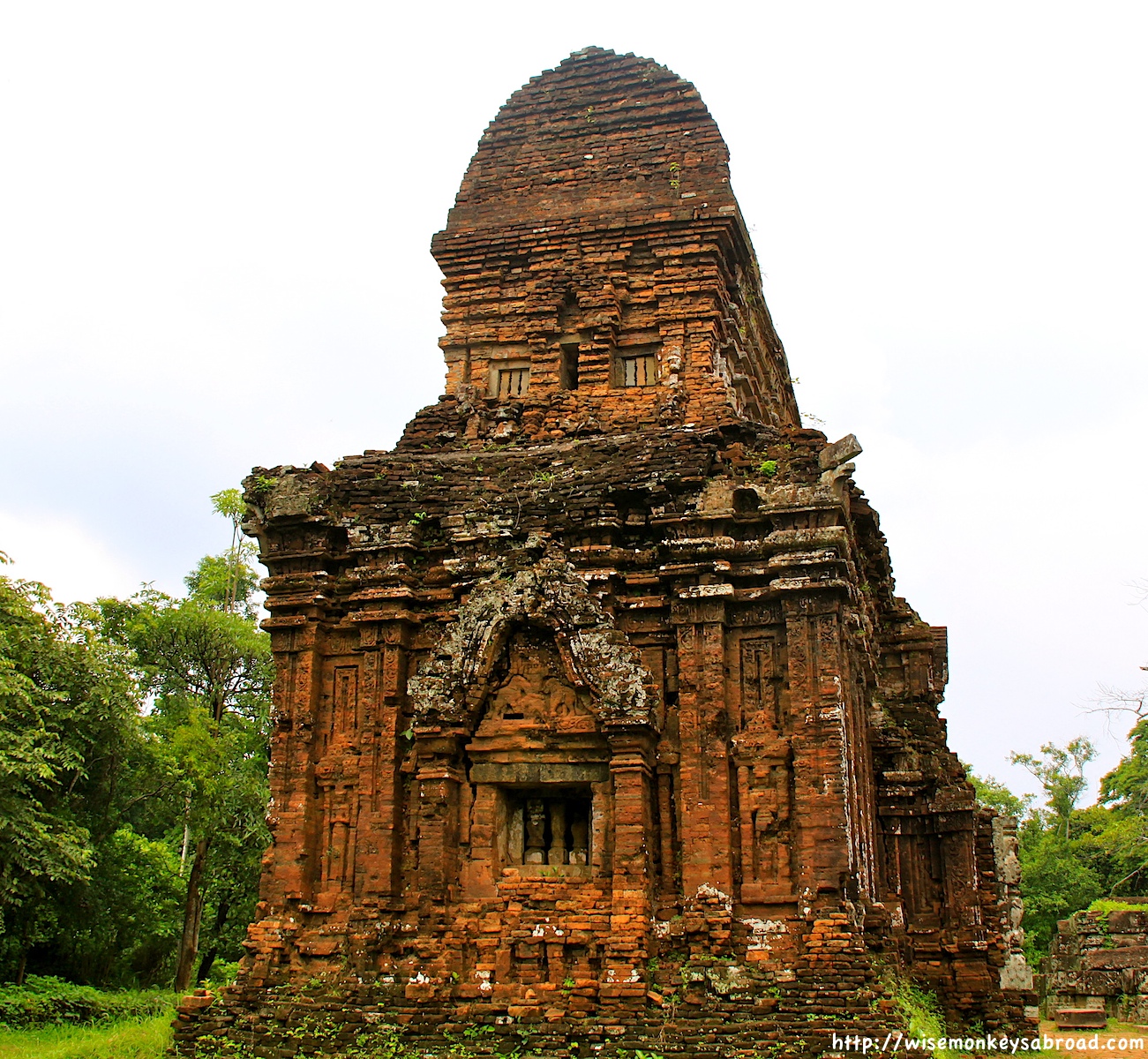
My Son Sanctuary was listed as a
UNESCO Heritage site in 1999.
To see the other UNESCO sites we have visited,
visit our unofficial bucket list

 wise monkeys abroad